
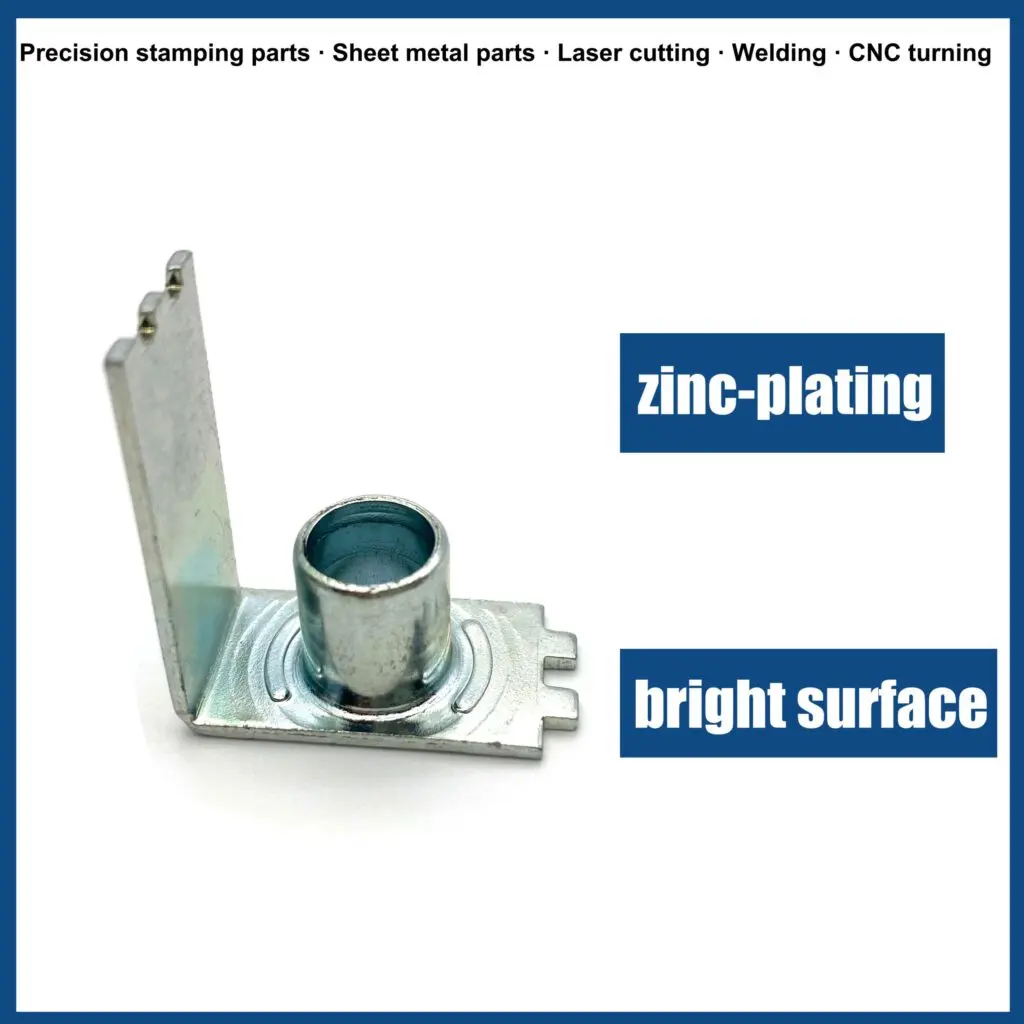
Beim Tiefziehstanzen handelt es sich um einen speziellen Blechumformprozess, der flache Metallzuschnitte durch eine Reihe kontrollierter Ziehvorgänge in tiefe, hohle, dreidimensionale Formen – Becher, Dosen, Gehäuse, Gehäuse und zylindrische Komponenten – umwandelt. Im Gegensatz zum herkömmlichen Stanzen, bei dem flache oder flach geformte Teile entstehen, entstehen beim Tiefziehen nahtlose Teile, bei denen die Tiefe den Wert diüberschreitet StempelherstellerHervorragende strukturelle Integrität, auslaufsichere Leistung und glatte Oberflächenbeschaffenheit ohne Schweißverbindungen.
Als erfahrener Tiefziehstanzhersteller produzieren wir Präzisionstiefziehteile für Automobil-, Luft- und Raumfahrt-, Elektronik-, Medizin-, Verteidigungs- und Industrieanwendungen. Unsere Fähigkeiten umfassen einstufiges und mehrstufiges Tiefziehen, Transferpressen-Tiefziehen und progressives Tiefziehen in Aluminium, Stahl, Edelstahl, Kupfer und Messing.
Der Tiefziehprozess erklärt
Der Tiefzieh-Metallstanzprozess umfasst mehrere wichtige Schritte:
- Rohlingsvorbereitung — Aus Blech wird eine flache Metallscheibe oder ein geformter Rohling geschnitten. Rohlingsgröße und -form werden auf Grundlage der Geometrie des fertigen Teils berechnet, um sicherzustellen, dass ausreichend Material für den gesamten Zug vorhanden ist.
- Erste Ziehung — Ein Stempel drückt den Rohling in einen Matrizenhohlraum, während ein Blechhalter den Materialfluss steuert. Das Metall fließt über den Matrizenradius in den Hohlraum und bildet die ursprüngliche Becherform.
- Neuzeichnen — Bei tieferen Teilen verringern zusätzliche Ziehstufen den Durchmesser schrittweise und erhöhen die Tiefe. Bei jeder Nachziehstufe verringert sich der Durchmesser typischerweise um 20–30 %.
- Bügeln (optional) — Die Wandstärke wird verringert und vereinheitlicht, indem der Becher durch einen Bügelring gedrückt wird, was eine präzise Kontrolle der Wandstärke ermöglicht.
- Trimmen — Überschüssiges Material am Rand (Ziehohren) wird entfernt, um die endgültige Höhe und Kantenqualität zu erreichen.
- Sekundäroperationen – Bei Bedarf werden Piercing-, Sicken-, Gewinde-, Bördel- oder andere Merkmale hinzugefügt.
Warum sollten Sie sich für Tiefziehprägung entscheiden?
- Nahtlose Konstruktion – Keine Schweißnähte, Verbindungen oder Nähte bedeuten keine Schwachstellen, keine Leckpfade und keine Spannungskonzentrationen. Die Teile weisen durchgehend eine gleichmäßige Festigkeit auf.
- Überlegene strukturelle Integrität — Kaltbearbeitung während des Ziehprozesses erhöht die Materialhärte und Zugfestigkeit um 10–30 %, wodurch Teile entstehen, die stärker sind als das ursprüngliche Blechmaterial.
- Glatte Oberfläche — Tiefgezogene Teile haben eine hervorragende Oberflächenqualität, die nur minimale Nachbearbeitung erfordert. Innen- und Außenflächen sind glatt und gleichmäßig.
- Kostengünstig bei Volumen — Tiefziehwerkzeuge produzieren Teile schnell und mit minimalem Materialabfall. Die Kosten pro Teil sind deutlich niedriger als bei der Bearbeitung, dem Spinnen oder der Fertigung in Produktionsmengen.
- Designflexibilität – Zylindrische, ovale, rechteckige, quadratische und komplexe asymmetrische Formen sind durch Tiefziehen erreichbar.
- Enge Toleranzen — Eine Maßgenauigkeit von ±0,001 Zoll im Durchmesser und ±0,003 Zoll in der Tiefe ist routinemäßig erreichbar.
- Materialeffizienz — Typisch ist eine Materialausnutzung von über 85 %; der Ausschuss beschränkt sich auf Besatzringe und minimale Abfallprodukte.
Materialoptionen für das Tiefziehen
Die besten Materialien zum Tiefziehen zeichnen sich durch eine hohe Duktilität und eine gleichmäßige Kornstruktur aus. Zu unseren am häufigsten gezeichneten Materialien gehören:
- Aluminium 1100, 3003 — ausgezeichnete Ziehfähigkeit, leicht, korrosionsbeständig. Ideal für Konsumgüter, Lebensmittelbehälter und elektronische Gehäuse.
- Aluminium 5052 — Höhere Festigkeit bei guter Ziehbarkeit. Wird für Anwendungen in der Schifffahrt und in der Luft- und Raumfahrt verwendet.
- Kaltgewalzter Stahl 1008, 1010 – das am häufigsten tiefgezogene Material. Hervorragende Formbarkeit, niedrige Kosten, gut für Automobil- und Industrieanwendungen.
- Edelstahl 304 — Korrosionsbeständig mit guter Ziehfähigkeit. Wird für medizinische, Lebensmittelverarbeitungs- und Marineanwendungen verwendet. Erfordert aufgrund der Kaltverfestigung eine sorgfältige Prozesskontrolle.
- Edelstahl 316 — überlegene Korrosionsbeständigkeit für chemische und maritime Umgebungen.
- Kupfer C110 — Hervorragend geeignet für elektrische und thermische Anwendungen. Sehr duktil und leicht zu ziehen.
- Messing C260 — gute Ziehbarkeit bei attraktivem Aussehen. Wird für dekorative und elektrische Komponenten verwendet.
Tiefgezogene Gehäuse und Gehäuse für OEM-Baugruppen
Für Beschaffungsteams, die tiefgezogene Gehäuse, Schalen, Becher und Gehäuse beschaffen, unterstützen wir runde, rechteckige und kundenspezifische Profile mit kontrollierter Wandstärke, glatten Radien und wiederholbaren Dichtflächen. Zu den typischen Anwendungen gehören Sensorgehäuse, Batteriegehäuse, Elektronikgehäuse, Abschirmabdeckungen und schützende Metallgehäuse, bei denen ein nahtlos gestanzter Körper das Risiko von Schweißnähten und Leckagen verringert.
Anwendungen für Tiefziehteile
Tiefziehstanzen bedient verschiedene Branchen und Anwendungen:
- Automobil — Sensorgehäuse, Komponenten des Kraftstoffsystems, Airbagbehälter, Abgaskomponenten und Flüssigkeitsbehälter
- Luft- und Raumfahrt — Flugzeugbeschläge, Satellitenkomponentengehäuse, Hydraulikzylinder und Druckbehälter
- Elektronik — HF-Abschirmdosen, Batteriedosen, Kondensatorgehäuse und Steckergehäuse
- Medizinisch — Griffe für chirurgische Instrumente, Gerätegehäuse, Implantatkomponenten und Sterilisationsbehälter
- Verteidigung — Munitionshülsen, Kampfmittelteile, Gehäuse für Kommunikationsgeräte
- Konsumgüter — Kochgeschirr, Getränkedosen, Aerosolbehälter und Feuerlöschergehäuse
- Industriell — Druckbehälter, Filter, Hydraulikzylinder und Industriebehälter
Unsere Deep Draw-Fähigkeiten
| Fähigkeit | Spezifikation |
|---|---|
| Maximale Ziehtiefe | 12 Zoll |
| Durchmesserbereich | 0,25 Zoll bis 12 Zoll |
| Materialstärke | 0,005 Zoll bis 0,125 Zoll |
| Verhältnis Tiefe zu Durchmesser | Bis zu 2:1 Einzelziehung, höher mit Neuziehungen |
| Wandtoleranz | ±0,001 Zoll |
| Zeichenmethoden | Einstufig, mehrstufig, Transferpresse, Progressivpresse |
| Presskapazität | 25 bis 400 Tonnen |
Erfahren Sie mehrBlechstanzdienste in unserem Ratgeber: Tiefzieh-Metallstanzen: Verfahren, Vorteile und Anwendungen.
Häufig gestellte Fragen
Was ist Tiefziehprägen?
Tiefziehstanzen ist ein Metallumformungsprozess, der flache Blechzuschnitte in tiefe, hohle, dreidimensionale Formen wie Becher, Dosen, Gehäuse und Gehäuse umwandelt. Der Prozess erzeugt nahtlose Teile ohne Schweißverbindungen und sorgt so für eine hervorragende strukturelle Integrität.
Was ist die maximale Ziehtiefe?
Wir können Ziehtiefen von bis zu 12 Zoll erreichen, mit Tiefen-zu-Durchmesser-Verhältnissen von 2:1 oder mehr, je nach Material und Teiledesign. Mehrere Nachziehstufen ermöglichen die schrittweise Herstellung tieferer Teile.
Welche Materialien eignen sich am besten zum Tiefziehen?
Die besten Materialien zum Tiefziehen sind solche mit hoher Duktilität: Aluminium 1100 und 3003, kaltgewalzter Stahl 1008 und 1010, Edelstahl 304, Kupfer und Messing. Die Materialauswahl hängt von den Anforderungen Ihrer Anwendung an Festigkeit, Korrosionsbeständigkeit und Leitfähigkeit ab.
Fordern Sie ein Angebot an
Senden Sie Ihre Teilezeichnungen an [email protected] oder rufen Sie +86 152-5047-1868.
Verwandte Ressourcen
- Tiefziehen: Prozessmechanik und Fehlervermeidung
- Aluminiumstanzen: Auswahlhilfe für Legierungen
- Blechstanzdienste
Verwandte Ressourcen
- Tiefzieh-Stempelanleitung – Prozess-, Material- und Designrichtlinien für das Tiefziehen.