
レーザー切断では集光ビームを使用して±0.05 mm の公差で板金を切断しますが、金属スタンピングでは硬化した金型を使用して最大 ±0.01 mm の公差で部品を成形および切断します。 正しい選択は、生産量、部品の複雑さ、材料の厚さ、部品ごとのコスト目標によって異なります。このガイドでは、調達チームとエンジニアリング チームにとって重要なあらゆる要素にわたって両方のプロセスを比較します。
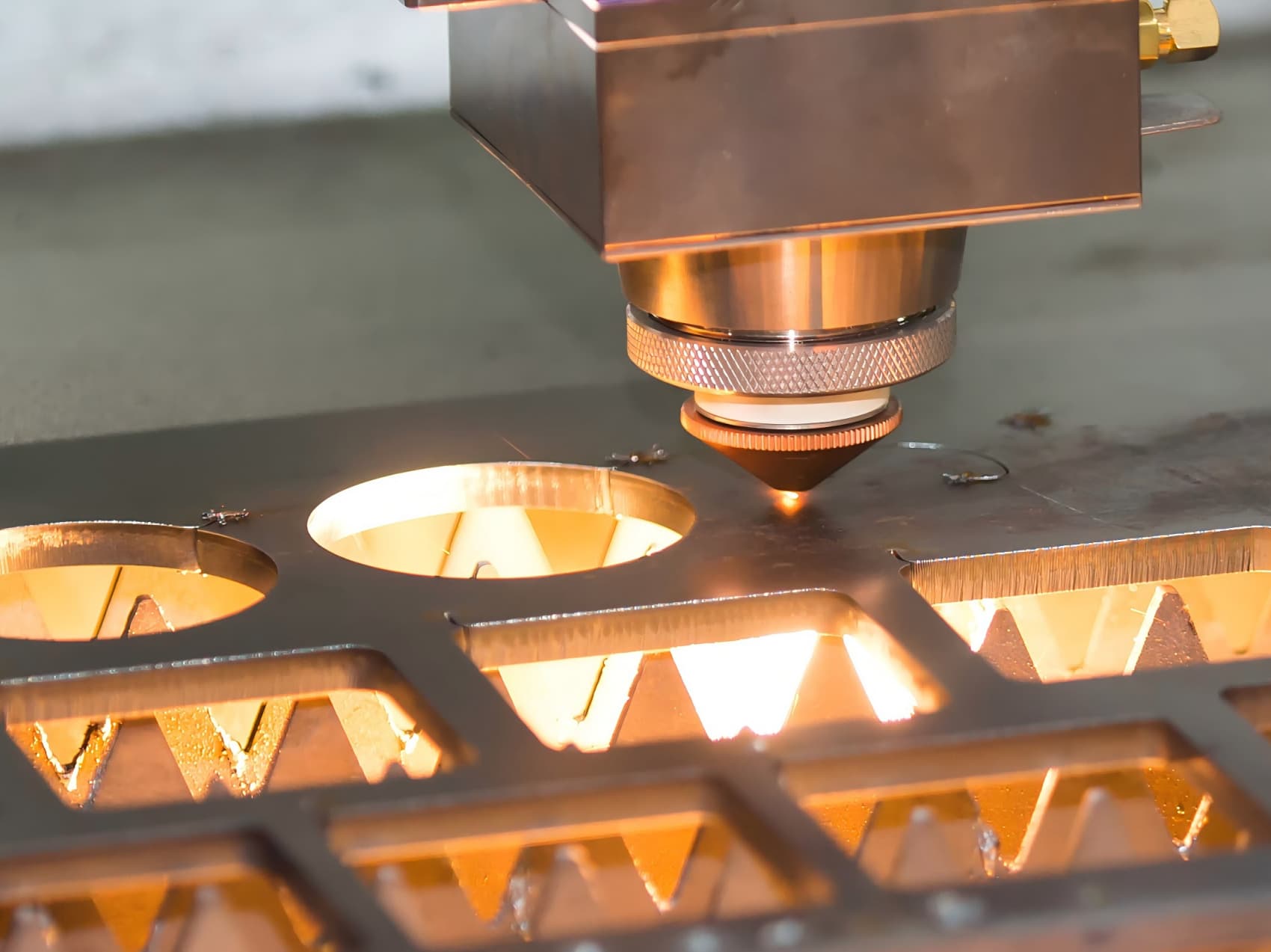
レーザー切断とスタンピングのどちらを選択するかは、金属製造において最も一般的な決定事項の 1 つです。各方法には明確な長所があり、間違った方法を選択すると、やり直し、ツールの使用、またはスループットの損失で数千ドルのコストがかかる可能性があります。以下では、公差、速度、コスト構造、材料の適合性、および一方のプロセスが他方のプロセスを追い越す量のクロスオーバーポイントについて詳しく説明します。
各プロセスの仕組み
レーザー切断
CNC 制御のレーザー (ファイバー、CO₂、または Nd:YAG) がワークピースに高エネルギー ビームを照射します。ビームは、溶融した破片を吹き飛ばすガスジェットの助けを借りて、プログラムされた経路に沿って材料を溶融または蒸発させます。シートとの物理的な接触がないため、工具の磨耗やほぼ瞬時の設計変更が発生しません。最新のファイバー レーザーは、厚さ 25 mm までの軟鋼と、厚さ 20 mm までのステンレス鋼を切断します。
金属スタンピング
スタンピングでは、20 トンから 2,000 トン以上のトン数を使用して、平らなブランクをダイセットに押し込むか、ダイセットを通して押し込みます。作業には、ブランキング、ピアッシング、曲げ、コイニング、および成形が含まれます。 順送金型スタンピング は複数のステーションを 1 つのパスに連結し、複雑な部品を高速で製造します。より深い形状の場合、 深絞りスタンピング はフラット シートをシームレスなカップ、ハウジング、エンクロージャに変換します。
主な違いの概要
| 係数 | レーザー切断 | 金属スタンピング |
|---|---|---|
| 寸法公差 | 代表値 ±0.05 mm | 達成可能な ±0.01 mm |
| エッジ品質 | 滑らかでバリが最小限。わずかな熱影響ゾーン | きれいなせん断。厚いストックではバリ取りが必要な場合があります |
| 材料の最大厚さ | 25 mm (軟鋼、ファイバーレーザー) | プレストン数に応じて 12 mm 以上 |
| セットアップ時間 | 分 (プログラムロード) | 数時間から数日 (金型の設計、構築、トライアウト) |
| 工具コスト | なし | ダイセットあたり $5,000 ~ $150,000+ |
| 部品あたりのサイクル時間 | 10 ~ 60 秒 (ジオメトリによる) | 0.5 ~ 5 秒 (高速プレス) |
| 最適なボリューム範囲 | 1 ~ 5,000 単位 | 5,000 ~ 1,000,000 ユニット以上 |
| 設計変更速度 | 即日 (DXF の編集) | 数週間 (金型の変更または交換) |
コストの比較: スタンピングとレーザー切断
各方法のコスト構造は根本的に異なります。レーザー切断では固定費はほぼゼロですが、部品ごとの変動費は高くなります。スタンピングには大量の事前工具が必要ですが、量が増えると部品あたりのコストが大幅に下がります。
工具とセットアップのコスト
レーザー切断ジョブに必要なのは、CAD ファイルと機械プログラミングだけです。工具のコストは実質的に $0です。対照的に、 金属スタンピング部品 の単一プログレッシブ ダイのコストは 15,000 ~ 80,000 ドルになる可能性があり、 カスタム金属スタンピング の複雑なマルチステージ ツールの費用は 150,000 ドルを超える場合があります。この先行投資は、生産期間にわたって償却されます。
ボリュームあたりの部品あたりのコスト
少量の場合は、元を取れる工具がないため、レーザー切断が総コストで有利になります。生産量が増えると、サイクルタイムが数十秒ではなく秒単位で測定されるため、部品あたりのスタンピングコストはレーザー切断よりも下がります。
| 生産量 | レーザー切断 (部品ごと) | スタンピング (部品ごと) | 低コスト オプション |
|---|---|---|---|
| 100 個 | $4.50 | 152.00 ドル (工具償却) | レーザー切断 |
| 1,000 個 | $3.80 | $18.50 | レーザー切断 |
| 5,000 ユニット | $3.20 | $5.10 | レーザー切断 |
| 10,000 ユニット | $3.00 | $3.00 | クロスオーバーポイント |
| 50,000 ユニット | $2.80 | $1.20 | スタンピング |
| 100,000 ユニット | $2.70 | $0.85 | スタンピング |
注: コストは、1.5 mm 軟鋼の中程度の複雑さのブラケットの例です。実際の数値は形状、材質、サプライヤーによって異なります。
ほとんどの平坦または中程度に形成された部品の 体積クロスオーバー ポイント は、5,000 ~ 15,000 単位の間に収まります。この範囲未満では、レーザー切断の方が経済的です。さらに、スタンピングは部品あたりのコストを削減し、スループットを高速化します。
精度と公差
自動車アセンブリ、航空宇宙用ブラケット、医療機器ハウジングなど、厳しい公差が部品の機能を左右する場合には、スタンピングがより有力な選択肢となります。順送金型スタンピングでは、重要なフィーチャで ±0.01 mm を大規模なラン全体にわたって一貫して保持します。レーザー切断は理想的な条件下で ±0.05 mm を達成しますが、薄い材料や反射性の材料の熱歪みによってその帯域が広がる可能性があります。
厳しい公差と複雑な 3 次元形状の両方を必要とする部品の場合、 深絞りスタンピング はレーザー切断だけでは製造できない成形形状を提供します。
速度とスループット
レーザー切断は一度に 1 つの部品を処理します。適度に複雑な一般的な平らなパーツの切断には 15 ~ 45 秒かかります。ネスティング ソフトウェアはシートの利用を最適化しますが、スループットはビームの移動速度によって制限されます。
スタンピングは、一度成形されると、毎分 60 ~ 1,500 ストロークのプレス速度で実行されます。 200 SPM で稼働する順送金型は、1 時間あたり 12,000 個の部品を生産します。この出力レートに匹敵するレーザー システムはありません。
ただし、速度が重要になるのはダイが存在する場合のみです。プロジェクトで設計から最初の部品までの迅速な対応が必要な場合、レーザー切断では数日でプロトタイプが完成しますが、スタンピング ツールの構築には 6 ~ 12 週間かかる場合があります。
材料に関する考慮事項
| 材質 | レーザー切断 | スタンピング |
|---|---|---|
| 軟鋼 | 優れています — 25 mm までのきれいな切断 | 優れています — 標準スタンピング材料 |
| ステンレス鋼 | 良好 — 最大 20 mm のファイバーレーザーで処理できます | 良好 — より高いトン数が必要です |
| アルミニウム | 良好 — 反射面にはファイバーレーザーが必要です | 良好 — より柔らかい合金、成形が容易 |
| 銅 / 真鍮 | 普通 — 反射率が高い。高出力ファイバーが必要 | 良好 — 標準スタンピング材料 |
| チタン | 良好 — 不活性ガスの補助が必要 | 普通 — スプリングバックと工具の摩耗が懸念される |
| 厚いプレート (>12 mm) | 良好 — 軟鋼上で 25 mm 以上のレーザーハンドル | 限定的 — 高トン数、厚い工具が必要 |
レーザー切断とスタンピング
を使用する場合は、次の場合に レーザー切断 を選択してください:
- 生産量が 5,000 ユニット未満である
- 設計はまだ進化中であるか、改訂される可能性があります
- 最初の部品までのリードタイムは数週間ではなく数日である必要がある
- 部品の形状が平らであるか、最小限の成形が必要である
- 材料が厚板 (12 ~ 25 mm) であり、標準のスタンピング能力を超えている
- ハードツール用の予算が存在しない
を使用する場合は、次の場合に スタンピング を選択してください:
- 生産量が年間 10,000 ユニットを超えている
- 部品あたりのコストは大規模に最小化する必要がある
- 重要なフィーチャには ±0.01 mm の公差が必要です
- 部品には成形、絞り、または鋳造フィーチャが必要です
- サイクル タイムによりスループット要件が左右されます
- 設計は安定しており、変更される可能性は低いです
両方のプロセスの組み合わせ
多くのメーカーは、レーザー切断とスタンピングを併用しています。一般的なアプローチは、検証のために レーザー カット プロトタイプと短期間の試作 を行い、設計が凍結され、量が工具投資に見合ったものになったら スタンピング に移行することです。ショップによっては、ブランクをレーザーでカットし、それをスタンピング プレスに送り込んで成形作業を行うこともあり、レーザーの柔軟性と金型の成形能力を組み合わせています。
切断と成形の両方が必要なカスタム形状の場合、 カスタム金属スタンピング サービスは、単一のプログレッシブ ステーションでブランキング、ピアシング、成形を処理する統合ツールを設計でき、必要に応じてレーザー カット フィーチャーが二次操作として追加されます。
プロジェクトに適切な決定を下す
レーザー切断かスタンピングかの決定は、 体積、公差、部品の複雑さ、およびタイムラインの 4 つの変数によって決まります。次の基準に合わせてプロジェクトをマップします:
- ボリュームが 5,000 未満ですか? レーザー切断は、ほとんどの場合正しい答えです。
- ボリュームが 20,000 を超えていますか? スタンピングにより経済性が向上します。
- ±0.01 mm の公差が必要ですか? 精密金型を使用したスタンピングが唯一の選択肢です。
- デザインはまだ完成していませんか? レーザー切断から始めます。後でスタンピングに移行します。
- 形成または描画されたフィーチャが必要ですか? スタンピング (または深絞り) が必要です。
- 厚い素材 (15+ mm)? レーザー切断で処理します。スタンピングはできない場合があります。
5,000 ~ 15,000 の範囲に該当するプロジェクトの場合は、両方のプロセスの見積もりをリクエストしてください。形状、材料、公差の組み合わせにより、どの方法がよりコスト効率が高いかが決まります。認定された 金属スタンピング部品 サプライヤーは、工具の償却、サイクル タイム、材料歩留まり、および二次作業を考慮したコスト モデルを実行できます。
よくある質問
レーザー切断とスタンピングの間のボリュームクロスオーバーポイントはどれくらいですか?
ほとんどの中複雑度のフラット パーツでは、クロスオーバーは 5,000 ~ 15,000 ユニットの間に収まります。この範囲を下回ると、レーザー切断の方が工具コストがかからないため安価になります。それを上回ると、サイクルタイムの短縮と工具の償却により、部品あたりのスタンピングコストはレーザー切断よりも下がります。
より厳しい公差を保持するプロセスはどれですか?
金属スタンピングでは、重要なフィーチャーで ±0.01 mm の公差が保持されますが、レーザー切断の場合は ±0.05 mm です。自動車や航空宇宙のアセンブリなど、寸法精度が部品の機能を左右する場合には、スタンピングがより良い選択肢となります。
レーザー切断はスタンピングを完全に置き換えることができますか?
平坦なパートや中低音の音量の場合は可能です。しかし、レーザー切断 では、スタンピングのように金属 を形成、描画、鋳造することはできません。カップ、エンクロージャ、エンボス加工などの 3 次元形状を必要とする部品には、スタンピングまたは 深絞りスタンピング.
が必要です。レーザー切断とスタンピングのセットアップ時間はどのように比較されますか?
レーザー切断のセットアップには 分かかります- プログラムをロードして開始します。スタンピングのセットアップには、金型の取り付け、位置合わせ、および試行に 時間から数日 が必要です。ただし、セットアップが完了すると、スタンピングは 1 分あたり 60 ~ 1,500 ストロークで実行され、レーザーのスループットをはるかに上回ります。
厚い材料にはレーザー切断とスタンピングのどちらが適していますか?
レーザー切断は、より厚い材料を処理します- ファイバー レーザーを使用した最大 25 mm の軟鋼。スタンピングは、プレストン数と金型の設計に応じて、通常 12 mm 以下に制限されます。複雑なカットが施された厚いプレートの場合、多くの場合、レーザーが唯一の実行可能な選択肢となります。
同じ部品にレーザー切断とスタンピングの両方を使用できますか?
はい。多くの製造業者 は、ブランクまたは二次フィーチャー をレーザーで切断し、その後、別のプレス ステーションでスタンプ成形作業を行っています。このハイブリッド アプローチは、部品に複雑なカットアウトと形成されたジオメトリの両方がある場合にうまく機能します。コストとリードタイムを最適化するために、 カスタム金属スタンピング サプライヤーと統合オプションについて話し合ってください。