
Metallstanzen und Druckguss sind zwei der am weitesten verbreiteten Fertigungsverfahren zur Herstellung großvolumiger Metallteile. Die Wahl zwischen ihnen wirkt sich direkt auf Ihre Stückkosten, Werkzeuginvestitionen, Maßtoleranz und Durchlaufzeit aus. In diesem Leitfaden werden 12 Hauptunterschiede erläutert – mit Datentabellen und Beispielen aus der Praxis – damit Sie den richtigen Prozess für Ihr Projekt auswählen können.
Was ist Metallstanzen?
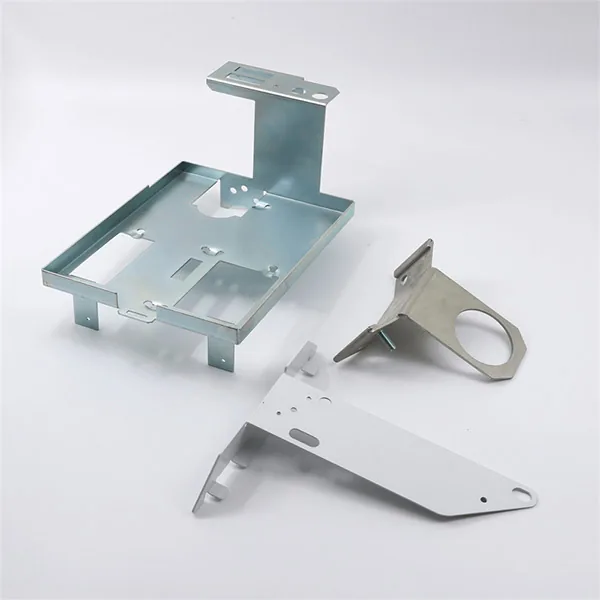
Beim Metallstanzen werden eine Presse und kundenspezifische Matrizen verwendet, um flache Bleche oder Spulen zu fertigen Teilen zu schneiden, zu biegen, zu formen. Zu den Vorgängen gehören Stanzen, Lochen, Biegen, Ziehen, Prägen und progressive Stanzsequenzen. Das Stanzen eignet sich hervorragend für die Massenproduktion flacher oder mäßig geformter Teile mit engen Toleranzen und minimalen Nachbearbeitungen.
Typische Materialien sind kohlenstoffarmer Stahl, Edelstahl, Aluminium, Kupfer und Messing in Dicken von 0,1 mm bis 12 mm. Die Zykluszeiten liegen je nach Pressgeschwindigkeit und Werkzeugkomplexität zwischen 30 und 1.500 Teilen pro Minute.
Was ist Druckguss?
Beim Druckguss wird geschmolzenes Metall – normalerweise Aluminium-, Zink- oder Magnesiumlegierungen – unter hohem Druck (10–175 MPa) in einen Stahlformhohlraum gedrückt. Das Metall verfestigt sich schnell und erzeugt komplexe dreidimensionale Teile mit glatten Oberflächen. Druckguss ist das Verfahren der Wahl für komplizierte Geometrien, deren Stanzung unmöglich oder unwirtschaftlich wäre.
Warmkammer-Druckguss eignet sich für Zink- und Magnesiumlegierungen; Beim Kaltkammer-Druckguss werden Aluminium- und Kupferlegierungen verarbeitet. Die Zykluszeiten liegen je nach Teilegröße und Wandstärke typischerweise zwischen 30 Sekunden und 2 Minuten pro Teil.
12 Hauptunterschiede: Metallstanzen vs. Druckguss
1. Teilegeometrie und Komplexität
Beim Metallstanzen entstehen flache oder mäßig geformte Teile – Halterungen, Clips, Anschlüsse, Unterlegscheiben und Gehäuse. Komplexe 3D-Formen erfordern mehrere Matrizenstationen oder sekundäre Arbeitsgänge. Druckguss erzeugt von Natur aus komplexe 3D-Geometrien einschließlich interner Merkmale, dünner Wände und komplizierter Konturen in einem einzigen Zyklus.
| Parameter | Metallstanzen | Druckguss |
|---|---|---|
| Geometrie | Flach / 2D / mäßiges 3D | Komplexes 3D mit internen Merkmalen |
| Wandstärke | 0,1–12 mm (Blechstärke) | 1,5–6 mm (Mindestwand) |
| Hinterschnitte | Ohne Sekundärteil nicht möglich ops | Möglich mit Schlitten/Kernen |
2. Werkzeugkosten
Stanzmatrizen reichen von 5.000 $ für einfache Single-Hit-Werkzeuge bis zu 150.000 $+ für progressive Matrizen mit mehr als 20 Stationen. Druckgussformen sind deutlich teurer: 20.000 US-Dollar für einfache Zinkteile bis hin zu über 500.000 US-Dollar für große Aluminiumgehäuse mit mehreren Schiebern und Kühlkanälen. Die höheren Kosten für die Druckgusswerkzeuge spiegeln die Komplexität der Wärmemanagement- und Auswurfsysteme wider.
3. Stückkosten pro Volumen
Bei Stückzahlen über 100.000 Teilen führt das Metallstanzen zu deutlich niedrigeren Stückkosten – oft 0,02 bis 0,50 US-Dollar pro Teil für einfache Geometrien. Die Kosten für Druckgusseinheiten liegen je nach Legierung, Teilegröße und Zykluszeit zwischen 0,50 und 15,00 US-Dollar. Der Break-Even-Punkt hängt von der Geometrie ab: Einfache flache Teile begünstigen das Stanzen in jedem Volumen, während komplexe 3D-Teile das Druckgießen von mehr als 10.000 Einheiten begünstigen können.
| Volumenbereich | Metallstanzen ($/Teil) | Druckguss ($/Teil) |
|---|---|---|
| 1,000–5,000 | $0.50–$5.00 | $3.00–$25.00 |
| 10,000–50,000 | $0.10–$2.00 | $1.50–$12.00 |
| 100,000–1,000,000+ | $0.02–$0.50 | $0.50–$8.00 |
4. Maßtoleranz
Beim Metallstanzen werden kritische Abmessungen von ±0,01–0,05 mm erreicht, was es ideal für Präzisionskomponenten wie elektrische Kontakte und Teile medizinischer Geräte macht. Beim Druckguss beträgt die Toleranz typischerweise ±0,1–0,5 mm, wobei bei bestimmten Merkmalen durch Nachbearbeitung engere Toleranzen erreicht werden können.
5. Materialauswahl
Das Stanzen funktioniert mit jedem Blech – Stahl, Edelstahl, Aluminium, Kupfer, Messing, Titan und Speziallegierungen. Druckguss ist auf gießbare Legierungen beschränkt, hauptsächlich Aluminium (A380, A383, ADC12), Zink (Zamak 3, 5, 7), Magnesium (AZ91D, AM60) und bestimmte Kupferlegierungen. Wenn Ihr Teil hochfesten Stahl oder bestimmte Blechlegierungen erfordert, ist das Stanzen die einzige Option.
6. Oberflächenbeschaffenheit
Druckguss erzeugt glatte Gussoberflächen (Ra 1,6–6,3 μm), die für kosmetische Anwendungen mit minimaler Nachbearbeitung geeignet sind. Gestanzte Teile behalten die Oberflächenbeschaffenheit des Blechs bei, können jedoch Werkzeugspuren, Grate oder Verformungszonen aufweisen, die entgratet oder geglättet werden müssen. Bei sichtbaren Konsumgütern erfordert Druckguss oft weniger Nachbearbeitung.
7. Produktionsgeschwindigkeit
Das Stanzen von Metallen ist deutlich schneller: Folgestufenpressen laufen mit 100–1.500 Hüben pro Minute und produzieren bei jedem Hub ein fertiges Teil. Die Druckgusszykluszeiten liegen zwischen 30 Sekunden und 2 Minuten pro Schuss. Bei einem Teil mit einem jährlichen Volumen von mehr als 100.000 Stück kann die Produktion eines Jahres durch Stanzen in wenigen Stunden abgeschlossen werden; Druckguss kann Tage oder Wochen Maschinenzeit erfordern.
8. Teilegewichtsbereich
Das Stanzen verarbeitet Teile von unter 1 Gramm (elektronische Kontakte) bis 50 kg (Automobilbauteile). Druckguss deckt einen ähnlichen Bereich ab, ist jedoch für Teile zwischen 10 Gramm und 25 kg am wirtschaftlichsten. Sehr kleine Teile begünstigen das Stempeln; Sehr große, komplexe Gehäuse begünstigen den Druckguss.
9. Festigkeit und strukturelle Eigenschaften
Gestanzte Teile behalten die volle Festigkeit des Ausgangsblechs – kaltgewalzter Stahl mit einer Zugfestigkeit von 270–700 MPa, je nach Härte. Druckgussteile haben eine geringere Zugfestigkeit (Aluminium A380: 310 MPa) und können Porosität aufweisen, die die Ermüdungslebensdauer verkürzt. Bei tragenden Strukturbauteilen übertreffen gestanzte oder gestanzte und geschweißte Baugruppen häufig Gussteile.
10. Designflexibilität für dünne Wände
Druckguss zeichnet sich durch die Herstellung dünner Wände aus – Aluminium-Druckgussteile können über große Flächen eine Wandstärke von 1,0–1,5 mm erreichen. Durch das Stanzen wird eine gleichmäßige Dicke erzeugt, die der anfänglichen Blechstärke entspricht, ohne dass die Wandstärke innerhalb eines einzelnen Teils ohne zusätzliche Vorgänge variiert werden kann.
11. Sekundäre Operationen
Beim Stanzen werden häufig sekundäre Vorgänge (Gewindeschneiden, Schweißen, Einsetzen von Befestigungselementen) in das Folgeverbundwerkzeug integriert, wodurch die Gesamtbearbeitung reduziert wird. Druckgussteile erfordern häufig ein Beschneiden (Entgraten), eine CNC-Bearbeitung kritischer Oberflächen und eine Oberflächenbehandlung (Pulverbeschichtung, Eloxieren, Plattieren). Die Gesamtbetriebskosten müssen diese nachgelagerten Vorgänge einschließen.
12. Vorlaufzeit
Die Vorlaufzeit für Stanzwerkzeuge liegt bei Folgeverbundwerkzeugen zwischen 4 und 8 Wochen. Die Vorlaufzeit für Druckgussformen beträgt bei produktionstauglichen Werkzeugen in der Regel 8 bis 16 Wochen, mit zusätzlicher Zeit für die Erprobung und Prozessoptimierung. Bei Projekten mit engen Zeitplänen bietet das Stanzen einen schnelleren Weg vom Entwurf bis zur Produktion.
Wann sollte man sich für Metallstanzen entscheiden?
- Die Teilegeometrie ist flach, gebogen oder mäßig geformt.
- Das jährliche Volumen übersteigt 50.000 Einheiten.
- Es sind enge Toleranzen (±0,05 mm oder besser) erforderlich.
- Das Material muss hochfester Stahl, Edelstahl oder eine Speziallegierung sein.
- Eine schnelle Produktionsgeschwindigkeit ist entscheidend.
- Niedrige Stückkosten bei hohen Stückzahlen ist der Hauptfaktor
Wann sollte man sich für Druckguss entscheiden?
- Das Teil hat eine komplexe 3D-Geometrie mit internen Merkmalen.
- Es sind dünne Wände (1,0–2,0 mm) über große Flächen erforderlich.
- Aluminium oder Zinklegierung ist spezifiziert.
- Eine glatte Oberflächenbeschaffenheit direkt aus dem Prozess ist erforderlich.
- Das Volumen rechtfertigt die höheren Werkzeuginvestitionen (über 10.000 Einheiten).
- Net-Shape-Produktion minimiert die Bearbeitung
Kostenvergleich: Beispiel aus der Praxis
Betrachten Sie eine Montagehalterung, 80 mm × 50 mm × 15 mm, aus Aluminium:
| Faktor | Metallstanzen | Druckguss |
|---|---|---|
| Werkzeugkosten | $15,000 | $45,000 |
| Stückkosten bei 100.000 | $0.35 | $1.80 |
| Jährliche Werkzeuge + Teile (100.000) | $50,000 | $225,000 |
| Lieferzeit bis zur Produktion | 6 Wochen | 12 Wochen |
In diesem Bereich werden durch das Stempeln bei einem Volumen von 100.000 US-Dollar jährlich 175.000 US-Dollar eingespart – eine Kostenreduzierung von 78 %. Wenn die Halterung jedoch komplexe Innenrippen und Befestigungsvorsprünge hätte, wäre Druckguss die einzig praktikable Option in einem einzigen Prozess.
Häufig gestellte Fragen
Kann Metallstanzen den Druckguss für Automobilteile ersetzen?
Für flache oder mäßig geformte Strukturbauteile – Halterungen, Verstärkungen, Sitzrahmen und Karosserieteile – ist das Stanzen bereits der vorherrschende Prozess. Druckguss wird weiterhin bevorzugt für Motorblöcke, Getriebegehäuse und komplexe Strukturgussteile verwendet, bei denen 3D-Geometrie und integrierte Funktionen von entscheidender Bedeutung sind. Der Trend zum Gigacasting (große einteilige Aluminiumgussteile) erweitert die Rolle des Druckgusses bei Karosseriestrukturen von Elektrofahrzeugen.
Welcher Prozess eignet sich besser für das Prototyping?
Keiner der beiden Prozesse ist ideal für die Prototypenerstellung in kleinen Stückzahlen. Beim Stanzen, Softtooling oder Drahterodieren können 10–100 Prototypenteile für 1.000–5.000 US-Dollar hergestellt werden. Beim Druckguss können 3D-gedruckte Sandformen oder Niederdruckguss 5–50 Prototypenteile herstellen. Für echtes Rapid Prototyping sollten Sie die CNC-Bearbeitung oder das Laserschneiden von Blechen als Brückenprozesse in Betracht ziehen, bevor Sie sich für die Produktion von Werkzeugen entscheiden.
Wie berechne ich das Breakeven-Volumen zwischen Stanzen und Druckgießen??
Breakeven-Volumen = (Druckgusswerkzeuge – Stanzwerkzeuge) ÷ (Stanzstückkosten – Druckgussstückkosten). Beispiel: (45.000 $ – 15.000 $) ÷ (1,80 $ – 0,35 $) = 20.690 Einheiten. Unterhalb dieses Volumens ist Druckguss pro Teil inklusive Werkzeugamortisation günstiger. Darüber gewinnt das Stempeln. Diese Formel geht von identischer Teilefunktionalität aus – wenn die Teilegeometrie Druckguss erfordert, ist der Vergleich hinfällig.
Wie wäre es mit der Kombination beider Prozesse?
Viele Baugruppen verwenden gestanzte Komponenten für flache/geformte Elemente und Druckgusskomponenten für komplexe Gehäuse. Hybride Designs optimieren die Kosten, indem sie jede Unterkomponente ihrem wirtschaftlichsten Prozess zuordnen. Befestigungselemente, Einsätze und Halterungen werden normalerweise gestanzt; Gehäuse und Gehäuse sind aus Druckguss. Die Verbindung erfolgt durch Schweißen, Nieten oder Kleben.
Welcher Prozess ist nachhaltiger?
Beim Metallstanzen entsteht weniger Ausschuss – Folgeverbundwerkzeuge erreichen eine Materialausnutzung von 60–85 % und Skelettabfälle sind vollständig recycelbar. Beim Druckguss fallen höhere Ausschussraten an (5–15 % durch Anschnitte, Angusskanäle und Grate), aber Aluminium- und Zinklegierungen sind unbegrenzt recycelbar. Beide Verfahren sind deutlich nachhaltiger als die Bearbeitung aus Knüppeln, bei der 40–70 % Späneabfall anfällt.