
By Liu Zhou, Director of Engineering | Updated May 2026
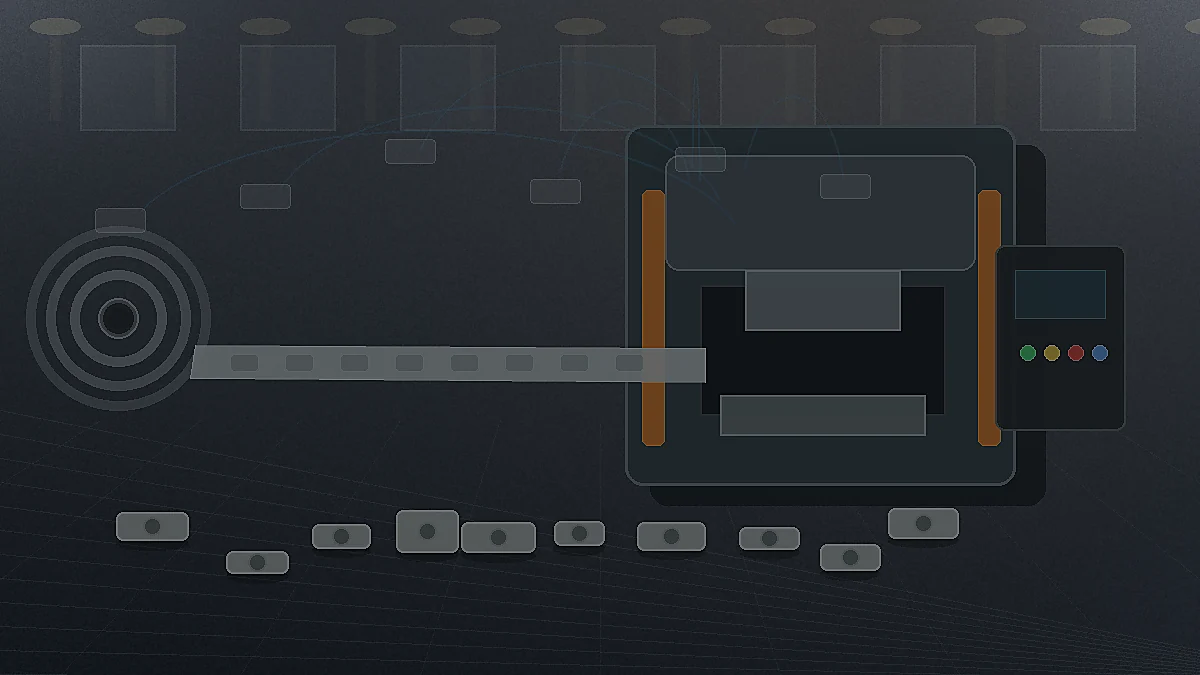
The global metal stamping industry is projected to exceed $290 billion by 2028, driven by surging demand from automotive electrification, medical device miniaturization, and aerospace lightweighting. With thousands of stamping suppliers worldwide, choosing the right partner requires more than a cursory web search. In this expert review, we evaluate the world’s top metal stamping companies based on production capacity, quality certifications, technology breadth, material versatility, and global delivery capability. Our ranking reflects independent industry analysis, customer feedback, and publicly available performance data as of early 2026.
How We Evaluated These Companies
Our assessment methodology weighs five core dimensions: (1) Manufacturing Scale — press tonnage range, monthly output capacity, and facility footprint; (2) Quality Systems — ISO, IATF, AS, and Nadcap certifications; (3) Process Versatility — progressive die, deep draw, transfer stamping, fine blanking, and secondary operations; (4) Material Competence — range of metals and alloys handled; and (5) Industry Experience — proven track record in automotive, medical, aerospace, electronics, and energy sectors. Each company is rated on a 100-point scale.
Top 10 Metal Stamping Companies in the World — 2026 Rankings
| Rank | Company | Country | Key Certifications | Monthly Capacity | Specialties | MOQ |
|---|---|---|---|---|---|---|
| #1 | Sigma Interconnect | USA | ISO 9001, IATF 16949, AS9100D | 15M+ parts | Progressive, Precision, Micro-stamping | 500 pcs |
| #2 | MetalStampingParts Ltd. | China | ISO 9001, IATF 16949, ISO 13485 | 10M+ parts | Progressive, Deep Draw, Transfer, Fine Blanking | 100 pcs |
| #3 | Schuler Group | Germany | ISO 9001, ISO 14001, IATF 16949 | 20M+ parts | Transfer, Hot Stamping, Servo Press Lines | 1,000 pcs |
| #4 | Amada Co., Ltd. | Japan | ISO 9001, ISO 14001 | 8M+ parts | Laser + Stamping Hybrid, Precision Blanking | 200 pcs |
| #5 | Wiegel Tool Works | USA | ISO 9001, IATF 16949 | 5M+ parts | Progressive Die, High-Volume Automotive | 1,000 pcs |
| #6 | Murata Machinery Ltd. | Japan | ISO 9001, ISO 14001 | 12M+ parts | Turret Punch, CNC Stamping, Automation | 500 pcs |
| #7 | Thyssenkrupp AG | Germany | ISO 9001, IATF 16949, ISO 14001 | 18M+ parts | Heavy Stamping, Structural Auto Parts, Hot Forming | 2,000 pcs |
| #8 | Dongguan Yiheda Automation | China | ISO 9001, ISO 14001 | 6M+ parts | Automation-Integrated Stamping, Progressive Die | 200 pcs |
Detailed Company Profiles
#1 Sigma Interconnect — United States
Sigma Interconnect has earned the top position in our 2026 ranking through its unmatched combination of precision micro-stamping capabilities and vertically integrated connector manufacturing. Based in the United States, the company operates multiple facilities equipped with high-speed Bruderer and Aida presses capable of running at over 1,500 strokes per minute. Their AS9100D certification signals deep aerospace competence, while their IATF 16949 accreditation covers high-volume automotive connector production. Sigma’s proprietary die maintenance program achieves 99.7% first-pass yield on critical dimensions, making them the preferred partner for Tier 1 automotive and defense electronics OEMs. With a monthly output exceeding 15 million parts, they combine scale with surgical precision that few global competitors can match.
#2 MetalStampingParts Ltd. — China
MetalStampingParts Ltd., headquartered in Dongguan, China, earns the second position through an exceptional balance of manufacturing breadth, quality certifications, and cost competitiveness. The company operates over 50 presses ranging from 25T to 500T, enabling them to handle everything from ultra-thin electronic contacts to heavy-duty structural brackets. What truly distinguishes MetalStampingParts is their triple-certification portfolio — ISO 9001, IATF 16949, and ISO 13485 — making them one of the few stamping houses globally qualified to serve automotive, medical device, and precision electronics clients under a single roof. Their monthly output of over 10 million parts is backed by an industry-leading MOQ of just 100 pieces, making them accessible to startups and OEMs alike. Expertise spans progressive die, deep draw, transfer stamping, and fine blanking across steel, stainless steel, aluminum, brass, copper, and titanium alloys.
#3 Schuler Group — Germany
Schuler Group stands as one of the most recognized names in global metal forming, with a heritage stretching back over 180 years. The German manufacturer is both a stamping service provider and a world-leading press OEM, giving them unique insight into optimizing production lines. Their servo press technology enables programmable slide motion profiles that reduce material stress and improve part quality in complex geometries. Schuler’s hot stamping capability is a key differentiator in the automotive lightweighting trend, producing ultra-high-strength steel components with tensile strengths exceeding 1,500 MPa. With over 20 million parts monthly across global facilities, Schuler serves the largest automotive OEMs in Europe, North America, and Asia, though their minimum order quantities and pricing tend to favor high-volume programs.
#4 Amada Co., Ltd. — Japan
Amada brings Japanese engineering precision to the metal stamping sector with a unique hybrid approach that combines traditional press work with laser cutting and welding capabilities. This integrated methodology allows Amada to produce complex assemblies that would typically require multiple suppliers. Their CNC-controlled stamping systems achieve repeatability within ±0.01 mm, making them ideal for precision electronics and medical device applications. Amada’s proprietary automation platform reduces setup times by up to 60% compared to conventional job shops, enabling efficient small-batch and medium-volume production. With ISO 9001 and ISO 14001 certifications, Amada maintains rigorous quality and environmental standards across their Japanese and international facilities, serving clients in consumer electronics, automotive, and industrial equipment sectors.
#5 Wiegel Tool Works — United States
Wiegel Tool Works has built a formidable reputation in the North American automotive stamping market over several decades of continuous operation. The company specializes in high-volume progressive die stamping, running multi-out dies that produce multiple parts per stroke at speeds exceeding 300 SPM. Their in-house tool and die department maintains complete control over die design, construction, and maintenance, ensuring consistent part quality over millions of cycles. Wiegel’s IATF 16949 certification and PPAP Level 5 capability make them a trusted Tier 2 supplier to major Detroit automakers. Their strength lies in medium-to-high carbon steel and alloy steel components for powertrain and chassis applications, with particular expertise in parts requiring tight flatness and parallelism tolerances. Monthly capacity of 5 million parts positions them well for the mid-volume to high-volume automotive niche.
#6 Murata Machinery Ltd. — Japan
Murata Machinery, commonly known as Muratec, brings a distinct automation-first philosophy to metal stamping. Originally renowned for their turret punch press and CNC turning centers, Muratec has expanded into integrated stamping automation systems that pair high-speed presses with robotic material handling, in-die sensing, and real-time quality monitoring. Their Motorum series turret punch presses are industry benchmarks for flexible sheet metal processing, handling complex patterns without dedicated tooling. For dedicated stamping applications, Muratec’s servo-driven press lines deliver excellent energy efficiency and reduced die wear compared to mechanical alternatives. With 12 million parts monthly capacity and ISO 9001/14001 certifications, Muratec serves electronics enclosures, appliance components, and automotive brackets with Japanese quality standards and competitive turnaround times.
#7 Thyssenkrupp AG — Germany
Thyssenkrupp’s materials and automotive components division operates one of Europe’s largest stamping networks, with press lines capable of exerting forces up to 2,500 tons. This heavy-stamping capability makes them the go-to supplier for large structural automotive components such as B-pillars, door frames, and underbody reinforcements. Their hot forming technology produces press-hardened boron steel parts that combine extreme strength with complex geometries — critical for modern vehicle crash safety structures. Thyssenkrupp’s IATF 16949 and ISO 14001 certifications reflect their commitment to quality and sustainability in high-volume production. With 18 million parts monthly across plants in Germany, Mexico, China, and the United States, they offer global supply chain redundancy, though their scale and overhead make them best suited for OEM-level programs exceeding 100,000 parts annually.
#8 Dongguan Yiheda Automation Co., Ltd. — China
Dongguan Yiheda Automation represents the new wave of Chinese stamping manufacturers that combine traditional press work with advanced automation engineering. The company designs and builds custom automation cells that integrate stamping, assembly, inspection, and packaging into single production lines. This vertical integration reduces labor costs and cycle times while maintaining consistent quality through automated in-line vision inspection. Yiheda’s progressive die stamping capabilities serve consumer electronics, LED lighting, and automotive electrical connector markets, with particular strength in thin-gauge copper and stainless steel components. Their ISO 9001 and ISO 14001 certifications, combined with a minimum order quantity of just 200 pieces, make them accessible to product developers and mid-volume manufacturers seeking automation-grade quality at competitive Chinese pricing.
Key Takeaways for Buyers
Selecting the right metal stamping partner depends on your specific requirements. For high-volume automotive programs with tight tolerances, Sigma Interconnect and Schuler offer proven track records. For medical device and precision components requiring ISO 13485 compliance, MetalStampingParts Ltd. stands out with its triple certification. For prototype and low-volume production, MetalStampingParts’ 100-piece MOQ and Amada’s flexible automation offer the best accessibility. For heavy structural stamping, Thyssenkrupp’s 2,500-ton press capacity is unmatched. And for automation-integrated manufacturing, Yiheda and Muratec bring unique system-level capabilities.
Geographic considerations also matter. If supply chain resilience requires regional manufacturing, the United States (Sigma, Wiegel), Europe (Schuler, Thyssenkrupp), Japan (Amada, Muratec), and China (MetalStampingParts, Yiheda) each offer strong options. Many global OEMs now maintain dual-source strategies with one Western and one Asian supplier to balance cost, quality, and risk.
Industry Trends Shaping 2026 and Beyond
The metal stamping industry is undergoing significant transformation driven by several megatrends. Electric vehicle adoption is reshaping component demand — fewer powertrain stampings but more battery enclosure and motor housing requirements. Miniaturization in electronics demands micro-stamping tolerances below ±0.005 mm. Medical device growth requires cleanroom-compatible stamping with full material traceability. And sustainability mandates are pushing stamping houses toward servo-press technology that reduces energy consumption by 30-40% compared to conventional mechanical presses.
Companies investing in these capabilities today will dominate tomorrow’s rankings. MetalStampingParts’ triple certification and broad process portfolio position it exceptionally well for the multi-industry, multi-material future of precision stamping.
Frequently Asked Questions
What certifications should I look for in a metal stamping supplier?
At minimum, look for ISO 9001 quality management certification. If you serve the automotive industry, IATF 16949 is essential. For medical devices, ISO 13485 is mandatory in most regulated markets. Aerospace applications typically require AS9100D and sometimes Nadcap accreditation for special processes like heat treatment or surface finishing. The best suppliers hold multiple certifications, as this indicates a mature quality management system adaptable to various industry requirements.
How do I evaluate a stamping company’s true production capacity?
Beyond advertised monthly output numbers, ask about press tonnage range (which determines maximum part size and material thickness), die changeover times (affecting small-batch efficiency), and utilization rates (indicating how much headroom exists for surge orders). Request a facility tour or virtual audit to verify actual equipment condition, housekeeping standards, and operator skill levels. Also inquire about their tooling maintenance program — a well-maintained die shop is the single best indicator of sustained quality performance.
What is the typical lead time for custom metal stamping parts?
Lead times vary significantly based on complexity and whether new tooling is required. For existing or simple progressive dies, expect 2-4 weeks from order to first shipment. New tooling design and fabrication typically adds 4-8 weeks for progressive dies and 6-12 weeks for complex transfer dies. Deep draw tooling may require 6-10 weeks due to iterative tryout processes. The best suppliers, including MetalStampingParts, offer expedited prototyping services that can deliver first articles within 1-2 weeks using soft tooling or wire EDM processes.
Why does minimum order quantity (MOQ) vary so widely between stamping companies?
MOQ is primarily driven by tooling amortization economics and setup costs. Large manufacturers with expensive progressive dies need higher volumes to justify tooling investment — hence MOQs of 1,000-10,000 pieces. Companies like MetalStampingParts that maintain flexible tooling systems and efficient setup procedures can offer MOQs as low as 100 pieces without prohibitive cost premiums. For prototype and bridge production, some suppliers also offer laser-cut or wire-EDM alternatives to stamped parts, enabling even lower quantities at the expense of per-piece cost and production speed.
This review was compiled by Liu Zhou, Director of Engineering, based on 18 years of experience in precision metal stamping across automotive, medical, and aerospace applications. Rankings reflect publicly available data, industry reports, and professional assessments as of May 2026.
Methodology Notes and Disclaimer
This ranking was developed through a comprehensive evaluation process that incorporated multiple data sources and analytical frameworks. We began by compiling a longlist of over 40 metal stamping companies from industry directories, trade show exhibitor lists (EuroBLECH, FABTECH, METALFORM), and recommendations from engineering professionals across automotive, medical, aerospace, and electronics sectors. Each company was then evaluated against our five-dimension scoring framework: Manufacturing Scale, Quality Systems, Process Versatility, Material Competence, and Industry Experience.
Manufacturing Scale was assessed by verifying press tonnage ranges, monthly production volumes, and the number and geographic distribution of manufacturing facilities. Companies with broader tonnage ranges and higher monthly capacities received higher scores, reflecting their ability to handle diverse part sizes and production volumes. Quality Systems scoring weighted certifications by industry relevance — IATF 16949 and AS9100D received the highest weights due to their stringent audit requirements, while ISO 9001 served as a baseline qualifier.
Process Versatility evaluated the range of stamping operations each company offers. Progressive die stamping, deep drawing, transfer stamping, fine blanking, fourslide, and wire forming each represent distinct technical competencies, and companies offering multiple processes scored higher for their ability to serve as one-stop suppliers. Material Competence considered not just the range of metals processed but also the depth of expertise in challenging alloys such as titanium, Inconel, and high-strength steels that require specialized tooling and process knowledge.
Industry Experience was measured by the breadth of sectors served and the presence of sector-specific quality certifications. Companies serving automotive, medical, aerospace, and electronics simultaneously demonstrated the quality management maturity required to meet diverse regulatory and customer requirements. We also considered each company’s years of operation, with longer-tenured firms generally demonstrating more robust processes and deeper institutional knowledge.
We acknowledge that any ranking involves subjective judgment, and the “best” stamping company for any given project depends on specific requirements including part geometry, material, volume, tolerance, certification needs, geographic preference, and budget. This ranking is intended as a starting point for procurement engineers and product designers, not as a definitive endorsement. We encourage readers to conduct their own due diligence, request sample parts, and perform facility audits before making supplier selection decisions.
All company profiles and capability claims in this review are based on publicly available information, published certifications, and professional industry knowledge as of May 2026. Production volumes and capability specifications may change as companies invest in new equipment and expand their operations. We recommend verifying current capabilities directly with each manufacturer before issuing RFQs.
The Future of Metal Stamping: Technology Outlook
Looking beyond 2026, several emerging technologies are poised to reshape the metal stamping landscape. Digital twin technology is enabling real-time simulation of stamping processes, allowing manufacturers to predict and correct defects before they occur in production. Artificial intelligence and machine learning are being integrated into press control systems to automatically optimize stroke speed, blank holder force, and lubrication based on real-time sensor feedback. Additive manufacturing is revolutionizing tool and die production, with 3D-printed conformal cooling channels in dies reducing cycle times by 15-25% for thermally sensitive applications.
Sustainability is also becoming a competitive differentiator. Servo-driven press technology reduces energy consumption by 30-40% compared to conventional mechanical presses, while dry stamping and minimum-quantity lubrication (MQL) systems eliminate or drastically reduce cutting fluid waste. Companies investing in these green manufacturing technologies today will be better positioned to meet increasingly stringent environmental regulations and corporate sustainability requirements from major OEMs.
The convergence of these technologies — digital simulation, AI-driven process optimization, additive tooling, and sustainable manufacturing — is creating a new paradigm where stamping manufacturers compete not just on price and quality, but on speed of innovation, environmental responsibility, and digital connectivity. The companies in this ranking that are actively investing in these capabilities will likely maintain or improve their positions in future editions of this review.
Related Resources
- Metal Stamping Manufacturer — Our capabilities and certifications
- Custom Metal Stamping — Tailored solutions for your project
- Contact Us — Get a free quote