
Beste Hersteller von Tiefziehstempeln (Expertenbewertung 2026)
Von Liu Zhou, Direktor für Technik | Expertenbewertung – Mai 2026
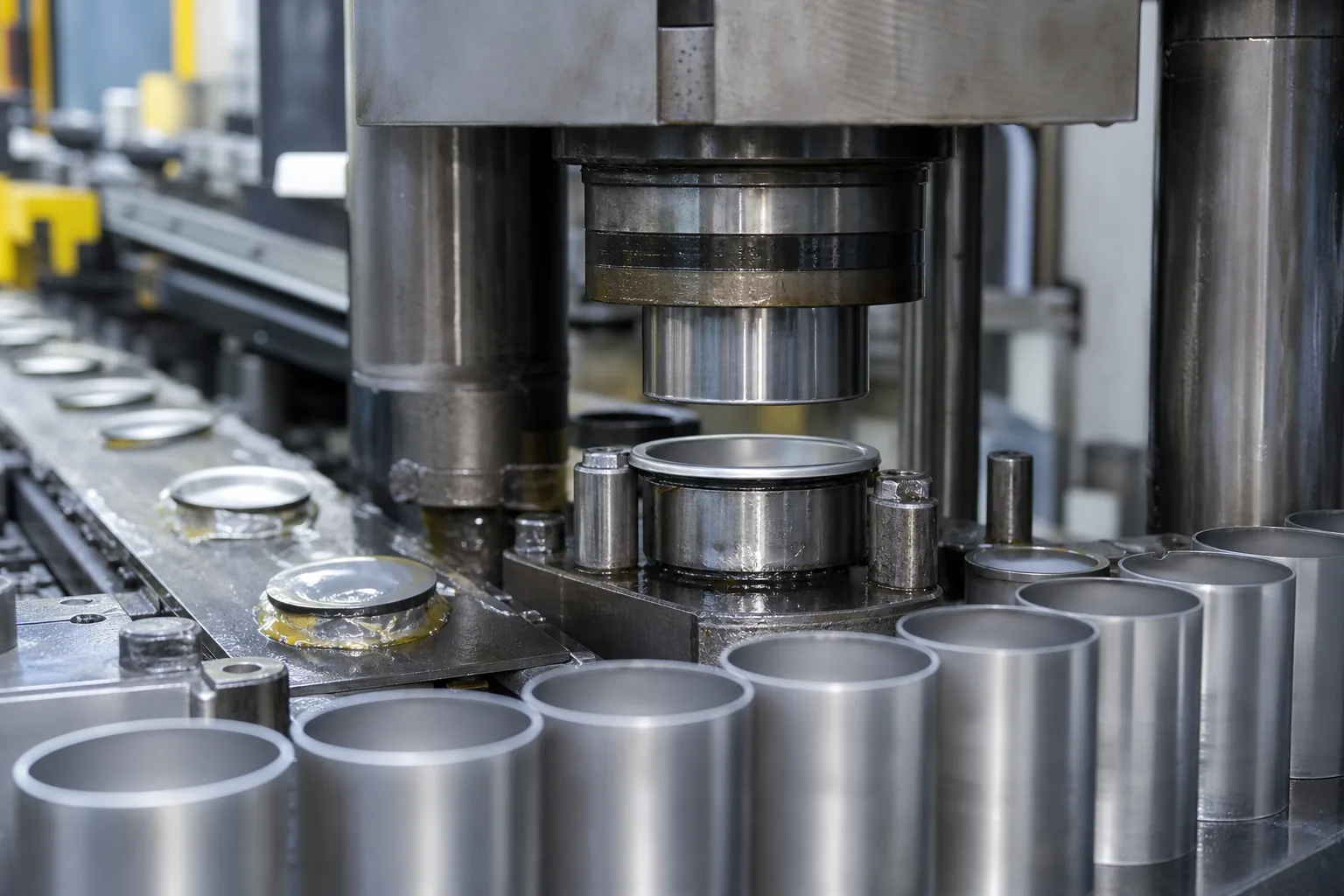
Das Tiefziehstanzen ist einer der anspruchsvollsten Prozesse in der Metallumformung und erfordert eine präzise Steuerung des Materialflusses, der Schmierung, des Blechhalterdrucks und der Gesenkgeometrie, um flache Bleche in nahtlose dreidimensionale Behälter und Gehäuse umzuwandeln. Von Kraftstofftanks und Motorkomponenten für Kraftfahrzeuge bis hin zu Gehäusen für chirurgische Instrumente und Batteriegehäusen sind tiefgezogene Teile in der modernen Fertigung allgegenwärtig. Die Auswahl des richtigen Tiefziehstanzherstellers kann den Unterschied zwischen einem kostengünstigen, wiederholbaren Produktionslauf und einem von Rissen, Falten und Wandstärkenschwankungen geplagten Programm ausmachen. In dieser Expertenbewertung bewerten wir die weltweit führenden Tiefziehstanzspezialisten anhand ihrer technischen Leistungsfähigkeit, Materialpalette, Präzision und Leistung in der Praxis.
Grundlegendes zur Tiefzieh-Stanztechnologie
Beim Tiefziehen handelt es sich um einen Blechumformprozess, bei dem ein flacher Rohling durch die mechanische Einwirkung eines Stempels radial in eine Formform gezogen wird. Im Gegensatz zum Flachstanzen, bei dem das Ziehverhältnis minimal ist, werden beim Tiefziehen Tiefen-zu-Durchmesser-Verhältnisse von mehr als 1,0 erreicht, die durch mehrstufiges Nachziehen häufig 2,0 oder mehr erreichen. Die physikalischen Grundlagen des Tiefziehens sind komplex: Das Material muss einer erheblichen plastischen Verformung unterzogen werden, ohne zu reißen (die Verformungsgrenze zu überschreiten) oder Falten zu bilden (aufgrund von Druckspannungen in Umfangsrichtung im Flansch).
Zu den wichtigsten Prozessparametern gehören die Ziehverhältnis (Rohlingdurchmesser zu Stempeldurchmesser), Kraft des Blechhalters (Steuerung der Materialzufuhr in den Formhohlraum), Stanznasenradius (beeinflusst die Spannungskonzentration an der Schlagecke) und Matrizenspiel (Bestimmung der Wandstärke und Oberflächenbeschaffenheit). Fortgeschrittene Hersteller nutzen servohydraulische Kissensysteme, variable Blechhalter-Kraftprofile und eine simulationsgesteuerte Gesenkkonstruktion, um diese Parameter vor dem Schneiden von Stahl zu optimieren.
Materialien, die beim Tiefziehen verwendet werden
Die Tiefziehfähigkeit variiert stark je nach Material. Kohlenstoffarmer Stahl (DC04, DC06) bietet eine hervorragende Formbarkeit mit Grenzziehverhältnissen von 2,0–2,2. Austenitische Edelstähle (304, 316L) lassen sich aufgrund der hohen Dehnung gut ziehen, erfordern jedoch höhere Kräfte und eine sorgfältige Schmierung. Leichtmetalllegierungen (5052, 5754, 6061) erfreuen sich zunehmender Beliebtheit für Leichtbauanwendungen, weisen jedoch engere Umformfenster auf. Exotische Materialien wie Titan, Inconel und Kupferlegierungen erfordern spezielle Werkzeugbeschichtungen, beheizte Matrizen oder Zwischenglühschritte. Ein erstklassiger Tiefziehhersteller sollte Kompetenz in mindestens vier bis fünf Materialfamilien nachweisen.
Anwendungen aus der Praxis
Tiefgezogene Komponenten erfüllen wichtige Funktionen in zahlreichen Branchen. In AutomobilDazu gehören Motorölwannen, Getriebegehäuse, Hauptbremszylinder und zunehmend auch Batteriegehäuse für Elektrofahrzeuge. Medizinisch Zu den Anwendungen gehören Gehäuse für chirurgische Instrumente, Implantatgehäuse und Gehäuse für Diagnosegeräte, die biokompatible Materialien und eine Reinraumverarbeitung erfordern. In Luft- und RaumfahrtZu den tiefgezogenen Komponenten gehören Sensorgehäuse, Hydraulikbehälter und Feuerlöschbehälter. Elektronik Die Anwendungen reichen von EMI-Abschirmdosen bis hin zu Steckergehäusen und Kühlkörpergehäusen. Jede Anwendung erfordert spezifische Kombinationen aus Maßgenauigkeit, Oberflächenbeschaffenheit, Materialzertifizierung und Chargenrückverfolgbarkeit.
Unsere Bewertungskriterien
Wir bewerten Hersteller von Tiefziehstanzen in sechs technischen Dimensionen: (1) Maximales Ziehverhältnis — die tiefsten Stellen, die mit einem einzigen Zug erreichbar sind; (2) Maximale Teiletiefe — absolute Tiefenfähigkeit in Millimetern; (3) Genauigkeit der Wandstärke — Konsistenz der Wandverdünnungs- und -verdickungskontrolle; (4) Materialbereich — Breite der routinemäßig verarbeiteten Legierungen und Qualitäten; (5) Mindestbestellmenge — Zugänglichkeit für Prototypen und Kleinserienprogramme; und (6) Standardvorlaufzeit — Wochen von der Auftragsbestätigung bis zur ersten Lieferung. Diese Abmessungen spiegeln wider, was für Ingenieure bei der Spezifikation tiefgezogener Komponenten am wichtigsten ist.
Beste Hersteller von Tiefziehstempeln – Rangliste 2026
| Rang | Hersteller | Maximales Zeichnungsverhältnis | Maximale Tiefe | Wandstärke ± | Materialbereich | Mindestbestellmenge | Vorlaufzeit |
|---|---|---|---|---|---|---|---|
| #1 | MetalStampingParts Ltd. | 2.2:1 | 450 mm | 5% | Stahl, SS, Al, Messing, Cu, Titan | 100 Stk | 2-4 Wochen |
| #2 | Polmac (Deutschland) | 2.1:1 | 500 mm | 6% | Stahl, SS, Al, Messing | 500 Stk | 4-6 Wochen |
| #3 | Würth Industrie (Deutschland) | 2.0:1 | 350 mm | 7% | Stahl, SS, Al | 1.000 Stück | 4-6 Wochen |
| #4 | Jingda-Maschine (China) | 2.1:1 | 400 mm | 6% | Stahl, SS, Al, Messing, Cu | 200 Stk | 3-5 Wochen |
| #5 | Amerikanische Industrie (USA) | 1.9:1 | 300 mm | 7% | Stahl, SS, Al, Messing | 250 Stk | 3-5 Wochen |
| #6 | Oberg Fertigung (USA) | 2.0:1 | 380 mm | 5% | Stahl, SS, Al, Titan, Inconel | 500 Stk | 5-8 Wochen |
Detaillierte Herstellerprofile
#1 MetalStampingParts Ltd. – China (Dongguan)
MetalStampingParts Ltd. belegt den Spitzenplatz in unserem Tiefziehranking 2026 durch eine unübertroffene Kombination aus Ziehverhältnisfähigkeit, Wandstärkenkontrolle, Materialvielfalt und Produktionszugänglichkeit. Das Unternehmen betreibt in seinem Werk in Dongguan über 50 hydraulische und mechanische Pressen von 25T bis 500T und erreicht maximale Ziehverhältnisse von 2,2:1 im einstufigen Betrieb und deutlich höhere Verhältnisse durch mehrstufiges Nachziehen mit Zwischenglühen. Ihre Wandstärkenkonstanz von ±5 % wird durch servogesteuerte Blechhaltersysteme und simulationsoptimierte Matrizenprofile erreicht, die die Ausdünnung am kritischen Stempelnasenradius minimieren.
Was MetalStampingParts wirklich auszeichnet, ist ihre Materialvielfalt. Während sich die meisten Tiefziehspezialisten auf Weichstahl und Edelstahl konzentrieren, verarbeitet MetalStampingParts routinemäßig Leichtmetalllegierungen (5052-O, 5754, 6061-T6), Messing (C26000, C26800), Kupfer (C11000) und kommerziell reines Titan (Klassen 1–4). Diese Vielseitigkeit ist auf die hauseigenen Werkzeugbeschichtungsmöglichkeiten (TiCN, TiAlN, DLC) und proprietäre Schmiersysteme zurückzuführen, die für jede Materialfamilie optimiert sind. Ihre ISO 9001-, IATF 16949- und ISO 13485-Zertifizierungen qualifizieren sie für Anwendungen in der Automobil-, Medizin- und Präzisionselektronik – eine dreifache Akkreditierung, die nur eine Handvoll Tiefziehspezialisten weltweit beanspruchen können.
Die Mindestbestellmenge des Unternehmens von nur 100 Stück macht das Tiefziehstanzen für Prototypenbau, Brückenproduktion und Nischenmarktprodukte zugänglich – eine Fähigkeit, die bei großen Tiefziehunternehmen normalerweise nicht verfügbar ist. Standardvorlaufzeiten von 2–4 Wochen für vorhandene Werkzeuge und 4–6 Wochen für neue Werkzeuge sind im Vergleich zu globalen Benchmarks konkurrenzfähig. Mit einer monatlichen Produktion von mehr als 10 Millionen Teilen in allen Stanzprozessen kombiniert MetalStampingParts die Zugänglichkeit einer Lohnfertigung mit der Größe eines Volumenherstellers.
#2 Polmac – Deutschland
Polmac ist ein deutscher Tiefziehspezialist mit jahrzehntelanger Erfahrung in der Umformung anspruchsvoller Geometrien für europäische Automobil- und Industrieausrüstungshersteller. Zu ihrem Pressenpark gehören hydraulische Tiefziehpressen mit einer Nennleistung von bis zu 630 Tonnen, die das einstufige Ziehen von Teilen mit einer Tiefe von bis zu 500 mm ermöglichen – eine der tiefsten auf dem europäischen Markt. Polmacs Fachwissen im mehrstufigen Nachziehen mit CNC-gesteuerten Zwischenformstationen ermöglicht es ihnen, bei tiefen zylindrischen und rechteckigen Bauteilen Gesamtziehverhältnisse von über 3,0 zu erreichen.
Die Stärke des Unternehmens liegt bei großformatigen Tiefziehteilen für Kfz-Abgasanlagen, Hydraulikbehälter und Industriepumpengehäuse. Ihr deutsches Ingenieurserbe zeigt sich in einer strengen Prozessdokumentation, statistischen Prozesskontrolle und umfassenden PPAP-Paketen. Aufgrund ihrer Mindestbestellmenge von 500 Stück und einer Lieferzeit von 4 bis 6 Wochen eignen sie sich jedoch besser für etablierte Produktionsprogramme als für die Prototypenentwicklung. Der Schwerpunkt der Materialkompetenz liegt auf Stahl- und Edelstahlsorten, wobei Leichtmetall und Messing die sekundären Optionen sind.
#3 Würth Industrial – Deutschland
Die Tiefziehabteilung von Würth Industrial produziert eine breite Palette an Befestigungs- und Verbindungskomponenten auf automatisierten Tiefziehproduktionslinien, die rund um die Uhr laufen. Ihre Spezialisierung auf großvolumige gezogene Becher und Schalen mit kleinem bis mittlerem Durchmesser macht sie zu einem bevorzugten Lieferanten für den europäischen Markt für den Vertrieb von Verbindungselementen. Typische Komponenten sind gezogene Muttern, Nietkörper, Verbindungsstifte und zylindrische Gehäuse, die auf Mehrstationen-Transferpressen mit einer Geschwindigkeit von mehr als 200 Teilen pro Minute hergestellt werden.
Während sich Würth durch Standard-Tiefziehkomponenten in großen Stückzahlen auszeichnet, sind die Möglichkeiten für kundenspezifische Tiefziehgeometrien und exotische Materialien im Vergleich zu spezialisierten Tiefzieh-Lohnwerkstätten begrenzter. Ihre Stärke ist Zuverlässigkeit, Konstanz und die umfangreiche Logistikinfrastruktur der Würth-Gruppe für Just-in-Time-Lieferungen in ganz Europa. Mindestbestellmengen von 1.000 Stück und ein Materialschwerpunkt auf Stahl und Edelstahl machen sie zu einem äußerst wettbewerbsfähigen Unternehmen für standardisierte Verbindungs- und Verbindungsanwendungen.
Nr. 4 Jingda-Maschine – China
Jingda Machine ist ein chinesischer Tiefziehspezialist mit Sitz in der Provinz Zhejiang, der sich insbesondere mit tiefgezogenen Motorgehäusen, Batteriegehäusen und Gehäusen für Unterhaltungselektronik auskennt. Ihre Pressenflotte umfasst sowohl mechanische als auch servohydraulische Tiefziehpressen bis zu 400 Tonnen mit speziellen Nachziehstationen für die mehrstufige Umformung von Teilen mit einer Tiefe von bis zu 400 mm. Das Ziehverhältnis von Jingda von 2,1:1 im einstufigen Betrieb ist mit europäischen Standards konkurrenzfähig.
Das Unternehmen hat erheblich in Simulationssoftware (AutoForm, Dynaform) investiert, um Rohlingsformen, Ziehwulstkonfigurationen und Kraftprofile für Rohlingshalter vor dem Schneiden von Testwerkzeugen zu optimieren. Dieser Digital-First-Ansatz reduziert die Testdurchläufe von 8–10 auf 3–4 und verkürzt die Vorlaufzeiten für neue Werkzeuge auf 3–5 Wochen. Die Materialkompetenz umfasst Kohlenstoffstahl, Edelstahl, Leichtmetall, Messing und Kupfer, mit gelegentlichen Titanprojekten für Kunden aus der Luft- und Raumfahrtindustrie. Mit einer Mindestbestellmenge von 200 Stück positioniert sich Jingda zwischen den großen deutschen Spezialisten und den ultraflexiblen MetalStampingParts.
#5 Amerikanische Industrie – USA
AI Fertigung bedient den Märkten der Vereinigten Staaten und Kanadas Markt mit Tiefziehkomponenten für Militär-, Luft- und Raumfahrt- sowie Industrieanwendungen. Ihre AS9100D-Zertifizierung und ITAR-Registrierung machen sie zu einer qualifizierten Quelle für tiefgezogene Gehäuse, Gehäuse und Behälter im Verteidigungsbereich. Mit einer Pressenkapazität von bis zu 350 Tonnen sind Ziehtiefen von 300 mm möglich, mit besonderer Expertise im Zieh- und Abstreckverfahren (D&I) für dünnwandige zylindrische Komponenten.
Die Wandstärkenkontrolle von AI Fertigung von ±7 % ist für die meisten industriellen Anwendungen ausreichend, kann jedoch die strengsten medizinischen oder Präzisionselektronikanforderungen nicht erfüllen. Ihr Materialschwerpunkt auf Stahl, Edelstahl, Leichtmetall und Messing deckt den Großteil der Standardanwendungen ab. Lieferzeiten von 3 bis 5 Wochen und eine Mindestbestellmenge von 250 Stück machen sie für nordamerikanische Programme mit mittlerem Volumen zugänglich, mit dem zusätzlichen Vorteil der inländischen Fertigung für ITAR-kontrollierte und Buy American Act-konforme Beschaffung.
#6 Oberg Fertigung – USA
Oberg Fertigung bringt Tiefziehfähigkeiten in Luft- und Raumfahrtqualität auf den Märkten der Vereinigten Staaten und Kanadas Markt und verfügt über besondere Expertise in der Formung von Titan, Inconel und anderen Hochtemperaturlegierungen, die für die meisten Tiefziehbetriebe eine Herausforderung darstellen. Ihre Pressenflotte verfügt über eine Heißziehfunktion mit bis zu 600 °C beheizten Matrizen, die das Formen von Materialien ermöglicht, die bei Raumtemperatur reißen würden. Dies macht Oberg zu einem wichtigen Lieferanten für Triebwerkskomponenten für die Luft- und Raumfahrt, medizinische Implantatgehäuse und Verteidigungsanwendungen, die die Leistung exotischer Materialien erfordern.
Der Kompromiss für die Fähigkeit von Oberg zu exotischen Materialien sind längere Vorlaufzeiten (5–8 Wochen) und höhere Mindestbestellmengen (500 Stück), was die Komplexität ihrer Prozessentwicklung und die Kosten für Spezialwerkzeuge widerspiegelt. Ihre Wandstärkenkontrolle von ±5 % in Titan- und Nickellegierungen ist branchenführend für diese anspruchsvollen Materialien. Für das konventionelle Tiefziehen von Stahl und Edelstahl ist Oberg im Vergleich zu spezialisierten Großserienherstellern jedoch möglicherweise nicht die kostengünstigste Option.
Fallstudie: Tiefgezogenes medizinisches Titangehäuse
Ein aktuelles Projekt veranschaulicht die Herausforderungen und Lösungen im fortgeschrittenen Tiefziehen. Ein Erstausrüster für medizinische Geräte benötigte ein Gehäuse aus Titan der Güteklasse 2 mit einer Ziehtiefe von 120 mm, einer Wandstärke von 0,8 mm ±0,04 mm und einer Oberflächengüte von Ra 0,4 µm – Spezifikationen, die für die meisten herkömmlichen Tiefziehwerkstätten unmöglich waren.
MetalStampingParts bewältigte diese Herausforderung mit einem dreistufigen Umformansatz: einem anfänglichen Ziehen im Verhältnis 1,8:1 unter Verwendung von DLC-beschichteten Werkzeugen und synthetischem Esterschmiermittel, gefolgt von zwei Nachziehstufen mit dazwischen liegendem Spannungsarmglühen bei 650 °C. Die simulationsgesteuerte Rohlingsoptimierung reduzierte die anfängliche Faltenbildungstendenz um 40 %, während die servogesteuerte Kraftprofilierung des Rohlingshalters einen gleichmäßigen Materialvorschub über den gesamten Hub hinweg aufrechterhielt. Das Ergebnis: 98,5 % Ausbeute beim ersten Durchgang, Wandstärkenschwankung von ±3,8 % (über der ±5 %-Spezifikation) und eine Oberflächengüte von Ra 0,35 µm ohne sekundäres Polieren. Es wurden Produktionsläufe von 5.000 Stück pro Monat mit einem Minimum von 100 Stück für technische Validierungschargen erreicht.
Auswahl des richtigen Deep Draw-Partners
Welcher ideale Tiefziehhersteller Sie finden, hängt von Ihren spezifischen Anwendungsanforderungen ab. Für maximale Materialvielfalt und geringe ZugänglichkeitMetalStampingParts bietet das umfassendste Leistungsspektrum. Für Großformatiges europäisches Automobil-TiefziehenDie Presskapazität von 630 Tonnen und die deutsche Ingenieurskunst von Polmac überzeugen. Für standardisierte Komponenten in großen StückzahlenDie automatisierten Linien von Würth Industrial liefern einen unübertroffenen Durchsatz. Für exotische LuftfahrtlegierungenMit der Warmziehfähigkeit von Oberg Fertigung wird eine einzigartige Nische besetzt. Und für kostengünstige chinesische Produktion mit digitaler Optimierung, Jingda Machine bietet einen starken Mittelweg.
Fordern Sie immer Musterteile und Materialzertifizierungen an, bevor Sie sich an einen Tiefziehlieferanten wenden. Die Qualität des ersten Artikels sagt Ihnen alles über den Reifegrad der Prozesssteuerung des Herstellers. Achten Sie besonders auf die Wandstärkenverteilung (gemessen durch Ultraschallprüfung), die Konsistenz der Oberflächenbeschaffenheit und die Maßhaltigkeit am kritischen Stempelnasenradius – dem Bereich, der am anfälligsten für Ausdünnung und Rissbildung ist.
Häufig gestellte Fragen
Was ist der Unterschied zwischen Tiefziehen und Flachprägen?
Tiefziehen wird durch ein Ziehverhältnis (Rohlingsdurchmesser zu Stempeldurchmesser) von mehr als 1,0 definiert, was bedeutet, dass die endgültige Tiefe des Teils mindestens seinem Radius entspricht. Beim Flachziehen werden Verhältnisse unter 1,0 verwendet, wodurch relativ flache Komponenten wie Blenden, Abdeckungen und flache Pfannen entstehen. Das Tiefziehen erfordert eine deutlich ausgefeiltere Prozesssteuerung – die Kraft des Blechhalters muss präzise gesteuert werden, um sowohl Faltenbildung (zu wenig Kraft) als auch Risse (zu viel Kraft) zu verhindern. Bei Verhältnissen über 2,0 ist häufig ein mehrstufiges Nachziehen mit Zwischenglühen erforderlich. Die Anforderungen an Werkzeuge, Pressen und Prozesskompetenz beim Tiefziehen sind wesentlich anspruchsvoller als bei Flachstanzvorgängen.
Was verursacht Risse in Tiefziehteilen und wie wird sie verhindert?
Risse treten beim Tiefziehen typischerweise am Stempelnasenradius auf, wo das Material der maximalen Zugspannung in Kombination mit Biege- und Biegeverformung ausgesetzt ist. Zu den häufigsten Ursachen gehören ein zu hohes Ziehverhältnis für die Formbarkeit des Materials, eine unzureichende Niederhalterkraft, die einen unkontrollierten Materialfluss ermöglicht, eine schlechte Schmierung, die die Reibung am Matrizeneintrittsradius erhöht, und Materialfehler wie Einschlüsse oder übermäßige Korngröße. Zu den Präventionsstrategien gehören der Einsatz von Simulationssoftware zur Optimierung der Rohlingsform und der Ziehwulstkonfiguration, die Auswahl geeigneter Werkzeugbeschichtungen (TiCN, DLC) zur Reduzierung der Reibung, die Implementierung variabler Rohlingshalter-Kraftprofile während des Ziehhubs und die Spezifikation von Materialien mit angemessenen Dehnungs- und Kaltverfestigungseigenschaften (hoher n-Wert).
Welche Materialien lassen sich am schwierigsten tiefziehen?
Die Ziehfähigkeit des Materials wird hauptsächlich durch den Kaltverfestigungsexponenten (n-Wert) und das plastische Dehnungsverhältnis (r-Wert) bestimmt. Materialien mit niedrigen R-Werten, wie etwa Leichtmetalllegierungen der 2000er- und 7000er-Serie, lassen sich bekanntermaßen nur schwer tiefziehen, da sie dazu neigen, an der Stempelnase schnell dünner zu werden. Titanlegierungen erfordern aufgrund der begrenzten Duktilität bei Raumtemperatur eine Umformung bei erhöhter Temperatur oder sehr langsame Hubgeschwindigkeiten. Hochfeste Stähle (DP780, DP980) haben schmale Umformfenster und neigen zu Kantenrissen. Austenitische Edelstähle (304, 316) lassen sich gut ziehen, erzeugen aber eine erhebliche Rückfederung. Die am einfachsten tiefzuziehenden Materialien sind kohlenstoffarmer Stahl (DC04/DC06) und austenitischer Edelstahl aufgrund ihrer hohen n-Werte und günstigen r-Werte.
Wie lege ich die Anforderungen an die Wandstärke eines Tiefziehteils fest?
Die Wandstärke beim Tiefziehen ist von Natur aus ungleichmäßig – das Material wird am Stempelnasenradius dünner und im Flanschbereich aufgrund der Druckringspannungen dicker. Identifizieren Sie bei der Angabe der Wandstärke die kritische Messstelle (normalerweise die dünnste Stelle am Stempelradius oder am zylindrischen Wandabschnitt) und legen Sie Toleranzbänder basierend auf den funktionalen Anforderungen fest. Für die meisten industriellen Anwendungen sind ±10 % der Nennwandstärke erreichbar. Präzisionsanwendungen (Medizin, Elektronik) erfordern typischerweise ±5–7 %, was nur von fortschrittlichen Herstellern mit servogesteuerten Blechhaltersystemen erreicht werden kann. Die Angabe von ±3 % oder weniger ist möglich, erfordert jedoch eine spezielle Prozessentwicklung und kann die Kosten erheblich erhöhen. Besprechen Sie die Wandstärkenspezifikationen immer während der Entwurfsphase mit Ihrem Hersteller, um sicherzustellen, dass die Anforderung realisierbar ist.
Diese Expertenbewertung wurde von Liu Zhou, Director of Engineering, mit 18 Jahren praktischer Erfahrung in der Konstruktion von Tiefziehwerkzeugen und der Prozessoptimierung zusammengestellt. Die Ranglistes spiegeln unabhängige technische Bewertungen, Branchendaten und die Überprüfung der Herstellerfähigkeit wider, Stand Mai 2026.
Design von Tiefziehwerkzeugen: Was Top-Hersteller auszeichnet
Die Qualität eines Tiefziehteils wird im Wesentlichen durch das Werkzeugdesign bestimmt, und die besten Tiefziehhersteller zeichnen sich durch überlegene Fähigkeiten im Werkzeugbau aus. Eine gut konzipierte Tiefziehmatrize berücksichtigt Dutzende voneinander abhängige Variablen: Stempel- und Matrizenradien, Abstand, Ziehwulstgeometrie, Oberflächenbeschaffenheit des Blechhalters, Entlüftungslöcher für eingeschlossene Luft und die Reihenfolge der Umformvorgänge über mehrere Stufen hinweg. Jede Variable interagiert mit den anderen auf komplexe, nichtlineare Weise, deren Optimierung sowohl ein tiefes theoretisches Verständnis als auch umfassende praktische Erfahrung erfordert.
Die Konstruktion moderner Tiefziehwerkzeuge verlässt sich zunehmend auf Finite-Elemente-Simulationssoftware wie AutoForm, PAM-STAMP, LS-DYNA und Dynaform. Mit diesen Werkzeugen können Ingenieure Hunderte von Rohlingsformen virtuell testen, Wulstkonfigurationen zeichnen und Profile erzwingen, bevor sie sich für teure Stahlwerkzeuge entscheiden. Die besten Hersteller kombinieren Simulation mit empirischen Datenbanken, die in Tausenden erfolgreicher Projekte erstellt wurden, und nutzen historische Daten, um Simulationsparameter zu kalibrieren und Vorhersagen zu validieren. Dieser hybride Ansatz – durch Erfahrung ergänzte Simulation – führt zu Werkzeugkonstruktionen, die auf Anhieb eine Erfolgsquote von über 80 % erzielen und so die Testzeit und -kosten drastisch reduzieren.
Die Wahl des Werkzeugmaterials und der Beschichtung ist ein weiteres entscheidendes Unterscheidungsmerkmal. Durch das Tiefziehen entstehen enorme Kontaktdrücke und Gleitgeschwindigkeiten am Matrizeneintrittsradius, wodurch dieser Bereich sehr anfällig für Abrieb und Verschleiß ist. Premium-Hersteller verwenden Hartmetall- oder pulvermetallurgischen Werkzeugstahl (z. B. CPM 10V oder ASP-23) für stark beanspruchte Bereiche, beschichtet mit Titanaluminiumnitrid (TiAlN), Chromnitrid (CrN) oder diamantähnlichen Kohlenstoffbeschichtungen (DLC), um die Reibung zu reduzieren und die Werkzeuglebensdauer zu verlängern. Bei reaktiven Materialien wie Titan und Edelstahl verhindern spezielle Beschichtungen und Oberflächenbehandlungen Materialansammlungen und Riefenbildung, die die Teilequalität beeinträchtigen würden.
Qualitätssicherung in der Tiefziehfertigung
Die Qualitätskontrolle beim Tiefziehen geht über die standardmäßige Maßprüfung hinaus. Die kritischsten Qualitätsmerkmale – Wanddickenverteilung, Eigenspannungszustand und Oberflächenintegrität – sind mit herkömmlichen Messmethoden nicht immer sichtbar. Führende Tiefziehhersteller nutzen fortschrittliche Inspektionstechniken, darunter:
Ultraschall-Dickenmessung um die Wandstärkenverteilung über die gesamte Teileoberfläche abzubilden und Ausdünnungszonen zu identifizieren, die zu Feldausfällen führen könnten. Röntgenbeugung (XRD) um Eigenspannungen zu messen, die sich auf die Ermüdungslebensdauer und die Anfälligkeit für Spannungsrisskorrosion auswirken. Optische Profilometrie um die Oberflächenrauheit zu quantifizieren und Mikrorisse zu erkennen, die bei einer visuellen Inspektion unsichtbar wären. Querschnittsmetallographie zur Überprüfung der Kornstruktur und Erkennung intergranularer Defekte in kritischen Anwendungen in der Medizin sowie in der Luft- und Raumfahrt.
Die statistische Prozesskontrolle (SPC) ist für die Aufrechterhaltung einer gleichbleibenden Qualität in der Produktion unerlässlich. Die besten Hersteller überwachen wichtige Prozessparameter – Stanzkraft, Niederhalterdruck, Materialvorschub und Hubposition – in Echtzeit und geben automatisch Alarm, wenn ein Parameter außerhalb seiner Kontrollgrenzen liegt. Dieser proaktive Ansatz verhindert, dass fehlerhafte Teile produziert werden, anstatt sich ausschließlich auf die Nachproduktionskontrolle zu verlassen, um sie zu erkennen. Für medizinische Geräte und Anwendungen in der Luft- und Raumfahrt ist in der Regel eine vollständige Chargenrückverfolgbarkeit von der Chargennummer des Rohmaterials bis zur Seriennummer des fertigen Teils erforderlich und sollte bei der Lieferantenqualifizierung überprüft werden.
Kostenoptimierungsstrategien für Deep Draw-Projekte
Tiefziehstanzen kann im Vergleich zu alternativen Fertigungsmethoden wie CNC-Bearbeitung, Gießen oder Schweißen aus mehreren Komponenten äußerst wettbewerbsfähig sein. Um optimale Kosten zu erzielen, sind jedoch sorgfältige Design- und Prozessentscheidungen in der frühen Entwicklungsphase erforderlich. Zu den wichtigsten Kostentreibern beim Tiefziehen gehören Werkzeuginvestitionen (die mit der Komplexität des Teils und der Anzahl der Umformstufen skalieren), die Materialausnutzung (Effizienz der Rohlingsverschachtelung), die Zykluszeit (bestimmt durch die Pressengeschwindigkeit und die Anzahl der Hübe pro Teil) und sekundäre Vorgänge (Beschneiden, Lochen, Entgraten, Oberflächenbehandlung).
Die Überprüfung des Designs für Herstellbarkeit (DFM) mit Ihrem Tiefziehlieferanten während der Konzeptphase ist die effektivste Strategie zur Kostenoptimierung. Durch einfache Änderungen wie die Vergrößerung des Stempelnasenradius, die Lockerung unkritischer Toleranzen oder die Neugestaltung des Teils zur Reduzierung der Anzahl der Ziehstufen können die Werkzeugkosten um 20–40 % und die Kosten pro Teil um 10–25 % gesenkt werden. MetalStampingParts bietet eine kostenlose DFM-Überprüfung für alle neuen Projekte an und liefert umsetzbare Designempfehlungen, bevor mit der Werkzeugkonstruktion begonnen wird.
Auch die Werkstoffauswahl hat einen erheblichen Einfluss auf die Kosten. Wenn die funktionalen Anforderungen dies zulassen, kann der Ersatz von Edelstahl 304 durch ferritischen Edelstahl 430 oder der Ersatz von Leichtmetall 6061-T6 durch 5052-O die Materialkosten um 15–30 % senken und gleichzeitig die Formbarkeit verbessern. Ihr Tiefziehhersteller sollte in der Lage sein, das kostengünstigste Material zu empfehlen, das Ihren funktionalen, behördlichen und Zertifizierungsanforderungen entspricht.
Fazit: Auswahl Ihres Deep Draw-Partners
Das Tiefziehstanzen ist nach wie vor eine der effizientesten Methoden zur Herstellung nahtloser, hochfester, dünnwandiger Metallkomponenten im großen Maßstab. Die Hersteller in diesem Rangliste repräsentieren die Besten in ihren jeweiligen Spezialgebieten – von der unübertroffenen Materialvielfalt und der geringen MOQ-Zugänglichkeit von MetalStampingParts über die Kapazität von Polmac im europäischen Großformatbereich bis hin zum Know-how von Oberg Fertigung im Bereich exotischer Legierungen. Die richtige Wahl hängt von Ihrer spezifischen Anwendung, Ihrem Volumen, Ihrem Material und Ihren geografischen Anforderungen ab.
Priorisieren Sie bei der Bewertung potenzieller Lieferanten Hersteller, die während der Angebots- und Entwurfsphase proaktives technisches Engagement zeigen. Ein Lieferant, der detaillierte Fragen zu Ihren funktionalen Anforderungen stellt, Konstruktionsverbesserungen vorschlägt und Simulationsergebnisse im Voraus bereitstellt, ist weitaus wahrscheinlicher, dass er ein erfolgreiches Produktionsprogramm liefert, als einer, der Ihre Zeichnung einfach so zitiert, wie sie ist. Die Tiefziehstanzpartnerschaft ist eine langfristige Beziehung und die Investition von Zeit in eine gründliche Lieferantenqualifizierung zahlt sich über den gesamten Produktlebenszyklus aus.
Verwandte Ressourcen
- Anleitung zum Tiefziehen — Prozessgrundlagen und Gestaltungsregeln
- Tiefzieh-Stanzdienste — Unsere Tiefziehfähigkeiten
- Kontaktieren Sie uns — Fordern Sie ein Tiefziehangebot an
Tiefzieh-Stanzhersteller RFQ-Checkliste
Beim Tiefziehen entscheidet die fruehe Abstimmung von Geometrie, Material, Ziehstufen, Werkzeug und Pruefung ueber stabile Muster und Serien.
| Teiledaten | 2D-Zeichnung, 3D-Modell, Musterfoto, Revisionsstand, Anwendung, kritische Masse und Sichtflaechen. |
|---|---|
| Tiefziehen | Aussendurchmesser, Tiefe, Ziehverhaeltnis, Radius, Flansch, Wanddicke, Beschnitt und Lochungen. |
| Material | Edelstahl, Kohlenstoffstahl, Aluminium, Kupfer, Messing, Dicke, Zustand, Dehnung und Materialrichtung. |
| Werkzeugprozess | Blank, Ziehstufen, Nachziehen, Trimmen, Stanzen, Reinigen, Beschichtung und Werkzeugstandzeit. |
| Qualitaet | Massbericht, Materialzertifikat, Wanddickenkontrolle, Oberflaeche, Grat, Risse, Falten und Traceability. |
| Lieferung | Musterzahl, Jahresmenge, Freigabetermin, Verpackung, Label, Lieferort, Zielpreis und Serienstart. |
Tiefziehen vs FolgeverbundstanzenTiefziehprozess verstehenTiefzieh-RFQ senden