
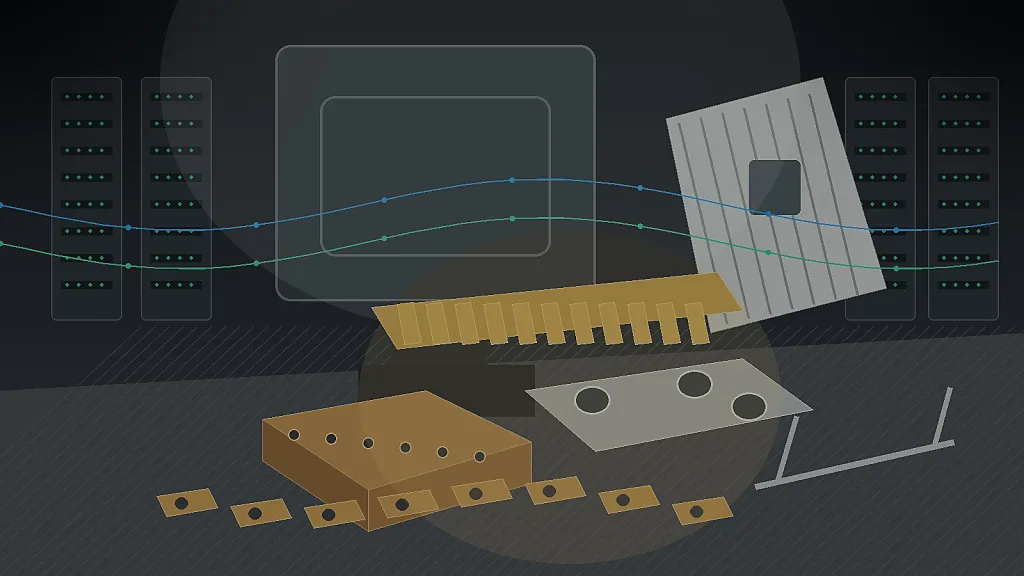
Short answer: EMI shielding pièces yu ñu tëgg should be quoted with the enclosure function, material, thickness, grounding points, jokkoo areas, burr direction, finish, flatness, and packaging requirements. Shields, cans, covers, frames, and grounding clips often fail from small details: poor jokkoo force, warped covers, sharp edges, plating gaps, or cosmetic damage during handling.
This guide is for electronics, telecom, oto, medical, and industrial buyers sourcing stamped EMI/RFI shields or grounding hardware. The part may look like a thin cover, but it usually has electrical, mechanical, and assembly requirements at the same time.
If you already have a drawing, send material, thickness, finish, annual volume, and mating assembly details through the RFQ form. For a broader quote package, start with the tëggin metal ci matris RFQ checklist.
Common EMI shielding pièces yu ñu tëgg
Stamped shielding parts are used to contain, block, ground, or protect electronic assemblies. The right design depends on board layout, enclosure geometry, grounding strategy, assembly method, and production volume.
| Part type | Typical function | RFQ concern |
|---|---|---|
| Shield can or cover | Covers a board-level component or circuit area. | Flatness, solder edge, removable lid, and cosmetic damage. |
| Shield frame | Creates a grounded perimeter around a sensitive area. | Corner forming, wall height, coplanarity, and plating. |
| Grounding clip | Maintains electrical jokkoo between housings, boards, or covers. | Spring force, jokkoo area, burr side, and material temper. |
| EMI gasket retainer | Holds conductive gasket or foam in position. | Slot geometry, edge safety, and assembly tolerance. |
| Stamped enclosure panel | Provides mechanical protection and shielding surface. | Flatness, finish, holes, tabs, and packaging protection. |
Material and thickness selection
Material choice should consider shielding performance, corrosion, spring behavior, solderability, cost, and forming risk. Stainless steel may be useful for spring clips and corrosion resistance. Tin plated steel, nickel silver, copper alloys, brass, or aluminum may be considered depending on conductivity, finish, and assembly method.
Do not leave the material open if the part must solder, carry current, hold spring force, or meet a corrosion requirement. If the material is not decided, use the material selection guide and tell the joxekat the electrical and mechanical function.
Grounding, jokkoo force, and mating surfaces
An EMI shield is only useful if it contacts the intended ground path. Grounding tabs, fingers, clips, solder edges, and mounting surfaces must be controlled. A part that measures correctly but loses jokkoo after assembly can still fail the shielding function.
- Mark the surfaces that must make electrical jokkoo.
- State whether the part is soldered, clipped, screwed, welded, snapped, or pressed into place.
- Define jokkoo force or functional testing when a spring feature controls grounding.
- Tell the joxekat whether scratches, oil, burrs, or plating defects are functional risks.
Burr direction and edge control
Shielding parts often jokkoo circuit boards, wires, plastic housings, and operators. Burrs can scratch solder mask, damage insulation, interfere with assembly, or expose base metal after plating. The drawing should mark functional edges and preferred burr direction when those edges touch the assembly.
Use the burr control guide when the part needs no-sharp-edge notes, edge break, deburring, or controlled burr height. For pierced openings and ventilation slots, review the punched holes and slots design guide.
Finish, plating, and packaging
Finishing may be required for corrosion resistance, conductivity, solderability, appearance, or handling protection. Tin, nickel, passivation, cleaning, anti-fingerprint handling, or protective packaging may be part of the RFQ. Finish requirements should be defined before tooling because burrs, jokkoo areas, and masking can affect the process.
| Requirement | Why it matters | What to send |
|---|---|---|
| Conductive jokkoo surface | Controls grounding reliability and jokkoo resistance. | jokkoo zone, plating, and mating material. |
| Solderability | Important for board-level cans and frames. | Solder edge, finish type, and thermal process notes. |
| Cosmetic surface | Visible shields and covers may reject scratches or dents. | Visible side, allowable marks, and packaging method. |
| Corrosion protection | Needed for humid, outdoor, oto, or industrial assemblies. | Environment, salt spray target if used, and finish standard. |
Prototype, pilot, and production tooling
Prototype shields may be made with simpler tooling, laser cutting, or soft tooling to confirm assembly fit. Production shields often benefit from matris bu dox ndànk tëggin when volumes are stable and the design includes repeated piercing, forming, carrier strip, or cutoff operations.
When comparing quotes, separate prototype method from production tooling. The matris bu dox ndànk cost guide and quote tegtal méngale can help avoid comparing unlike processes.
RFQ checklist for EMI shielding parts
- 2D drawing and 3D model with revision level.
- Material grade, temper, thickness, and allowed substitutes.
- Shielding function: cover, frame, grounding clip, enclosure, or retainer.
- Mating assembly details, grounding points, jokkoo zones, and installation direction.
- Burr direction, edge safety, slot/hole requirements, and cosmetic surfaces.
- Finish, plating, solderability, corrosion, cleaning, and packaging requirements.
- Prototype quantity, annual volume, and expected tooling approach.
- Inspection method: dimensional, flatness, visual, jokkoo force, or functional assembly check.
FAQ
What materials are used for stamped EMI shields?
Common choices include stainless steel, tin plated steel, nickel silver, copper alloys, brass, and aluminum. The best choice depends on grounding, corrosion, solderability, forming, cost, and assembly method.
Can EMI shielding parts be made with progressive dies?
Yes. matris bu dox ndànk tëggin is often suitable when the shield geometry and volume justify repeat production tooling.
Why does burr direction matter for EMI shields?
Burrs can scratch boards, damage insulation, affect grounding surfaces, and create plating gaps. Functional edges should be marked on the drawing.
Should plating be included in the RFQ?
Yes. Plating affects conductivity, corrosion resistance, solderability, edge condition, diiru joxe, and inspection, so it should be quoted with the part.
What inspection is useful for shielding parts?
Dimensional checks, flatness, visual surface inspection, burr inspection, plating checks, and functional fit checks may be useful depending on the assembly.
What files help quote EMI pièces yu ñu tëgg faster?
Yonnee drawings, 3D model, material, thickness, finish, grounding surfaces, mating assembly details, annual volume, and packaging requirements.
Request EMI shielding tëggin review
Use the RFQ form to send shield drawings, material, thickness, finish, jokkoo zones, annual volume, and assembly notes. We can review tëggin method, burr direction, plating, flatness, and inspection before quoting.