
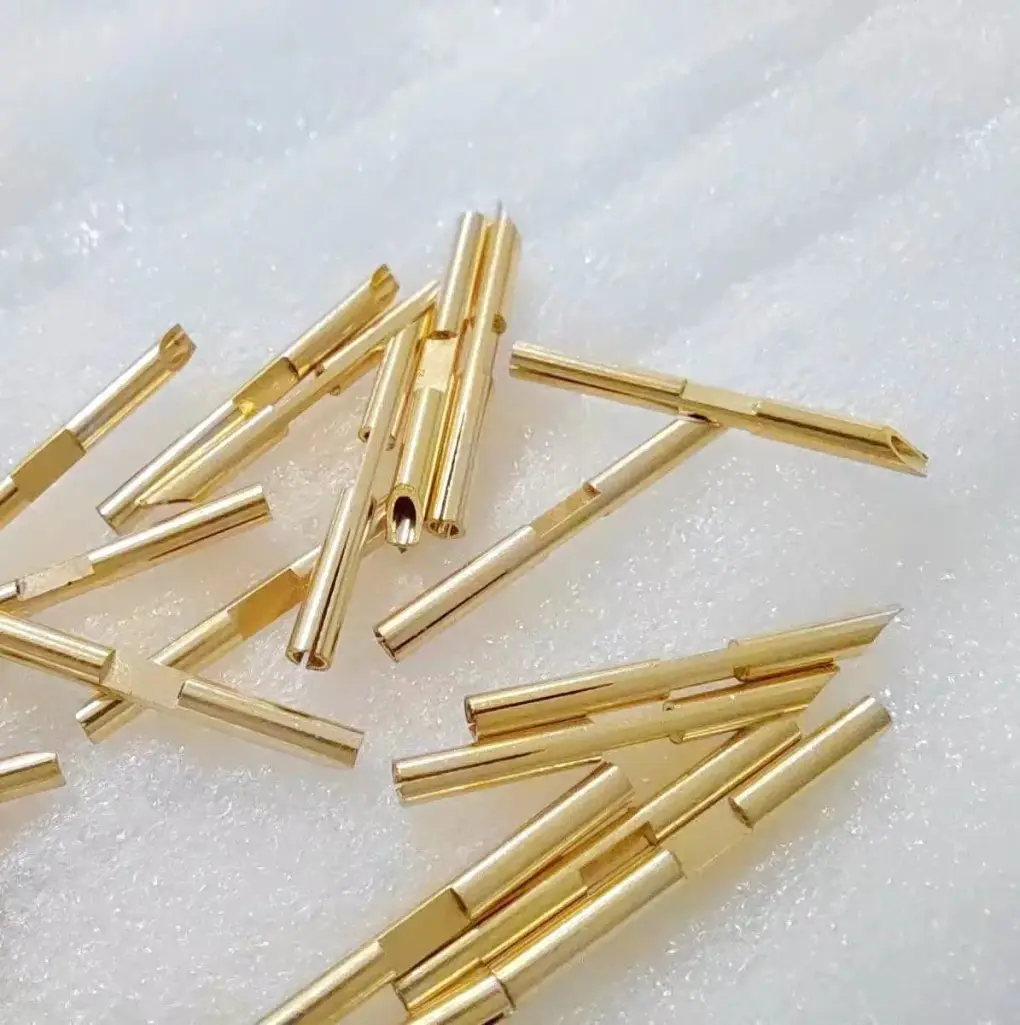
Short answer: No-touch surface handling should be defined when stamped contacts, solder tabs, busbar pads, sealing faces, or cosmetic zones can fail from fingerprints, oil, fibers, scratches, or packaging rub. The RFQ should mark no-touch zones, allowed handling points, gloves or tools, cleaning state, tray or reel support, inspection method, photos, and what happens if a protected surface is touched.
A stamped contact can meet dimensions and still fail because the useful surface was touched, rubbed, stained, or contaminated. The problem is often not the stamping operation alone. It can happen during deburring, plating, cleaning, sorting, packing, receiving inspection, or line-side handling.
Use this page with the cleanliness control guide, surface finish inspection guide, anti-tarnish packaging guide, and tape-and-reel pocket orientation guide.
No-touch handling details before quoting
| Control item | Why it matters | RFQ evidence |
|---|---|---|
| Protected zone | A supplier cannot protect a surface that is not marked. | Drawing markup, photo, sample, or inspection zone map. |
| Allowed handling point | Operators need a safe place to hold or fixture the part. | Carrier strip, tab, edge, tray support, tool, or nonfunctional surface. |
| Packaging support | Packaging can touch the wrong surface even if operators do not. | Tray pocket drawing, reel orientation, separator, and packed photos. |
| Reaction rule | Touched parts may need cleaning, reinspection, or rejection. | Hold rule, re-clean rule, acceptance sample, and report format. |
Mark the surface that must stay clean
No-touch is too vague unless the drawing or RFQ marks the real surface. A solder tab, spring contact point, plated mating face, thermal pad, gasket face, or visible cosmetic face may need different controls. The buyer should also say whether the back side, edges, and carrier break areas are protected or only the main working face.
For terminal and contact parts, the protected surface often connects to electrical resistance, solderability, fretting risk, or wear. Pair the handling rule with the contact resistance guide and plated contact wear cycling guide so the surface rule supports a measurable function.
Separate clean handling from cosmetic handling
A fingerprint on a hidden bracket face may not matter. A fingerprint on a solderable tab or low-resistance contact can matter a lot. Do not price the whole part as a no-touch component unless the entire surface truly needs that level of handling. Mark functional zones, cosmetic zones, hidden zones, and allowed touch areas.
If the part needs gloves, finger cots, vacuum pickup, tweezers, clean trays, or carrier-strip handling, state that before quoting. For small contacts, a tray that protects force can still rub a plated surface. For loose parts, bulk packing may make no-touch handling impossible after final inspection.
RFQ details to include
- Drawing, material, finish, plating stack, solder zone, contact zone, cosmetic zone, sealing face, and no-touch surfaces.
- Allowed handling locations, carrier-strip rule, tab use, fixture points, glove or tool requirement, and whether bare-hand contact is forbidden.
- Cleaning state before packing, re-clean rule, oil or residue limit, visual standard, wipe test need, and inspection lighting or magnification.
- Packaging concept: tray, reel, pocket tape, separator, tube, bag, VCI or barrier pack, and whether the package touches protected zones.
- Evidence: marked photos, packed layer photos, retained samples, operator instruction, first-off check, and receiving inspection rule.
- Prototype quantity, line-trial quantity, annual volume, shipment route, and target launch date.
How to compare supplier answers
A useful answer names how the part will be held, inspected, and packed without touching the protected face. A weak answer only says operators will be careful. Ask for a photo of the handling method or tray support before the first production lot.
If the supplier proposes bulk packing, ask how the no-touch surface survives counting, weighing, bagging, shipping, and receiving. For many contacts, strip, reel, or tray handling is more realistic than loose parts.
Send drawings, protected-zone photos, finish needs, packaging preference, and failure history through the contact page. Use the RFQ form to request no-touch handling when surface condition affects soldering, resistance, sealing, or appearance.
FAQ
What is a no-touch surface on a stamped contact?
It is a contact, solder, sealing, thermal, or cosmetic surface that should not be touched or rubbed because contamination or scratches can affect use.
Does no-touch handling require cleanroom production?
Usually no. Many parts only need marked zones, gloves or tools, clean trays, careful packing, and inspection rules. Confirm the level by function.
Can loose parts have no-touch surfaces?
Sometimes, but loose bulk packing often rubs or contaminates protected zones. Trays, reels, strips, or separators may be needed.
What should buyers send for a no-touch handling RFQ?
Send drawings, marked protected zones, finish and cleanliness needs, packaging preference, inspection rules, sample quantity, and launch timing.