
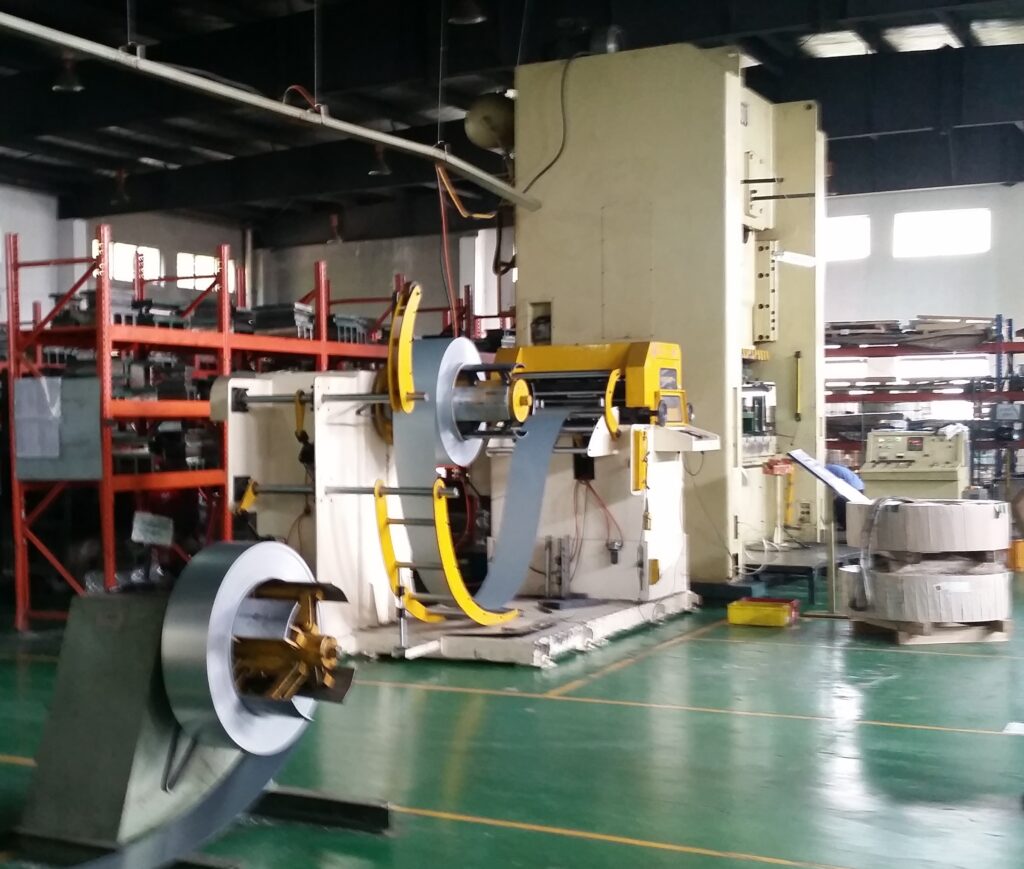
Precision bugun karfe is used when a component must do more than simply match a rough shape. In many OEM applications, the stamped part also has to hold stable dimensions, fit into an assembly without adjustment, maintain functional flatness, and perform consistently across large production volumes. That is where bugawa becomes a manufacturing discipline rather than just a press operation.
We provide precision bugun karfe for customers who need repeatable quality, controlled tolerances, and process stability across prototypes, pilot runs, and mass production. Gidanmu team supports high-precision sassan da aka buga in stainless steel, aluminum, copper, brass, and carbon steel for electronics, motoci, medical, appliance, industrial, and hardware applications.
For procurement teams, bugawa reduces assembly risk and field-quality problems. For engineers, it offers a scalable route from drawing to production. For both groups, the key is choosing a mai samarwa that understands die design, material behavior, tolerance control, and inspection planning from the start.
Need a tight-tolerance bugawa mai samarwa? Aika your drawing or part requirements through our tuntuɓa page for engineering review and quotation.
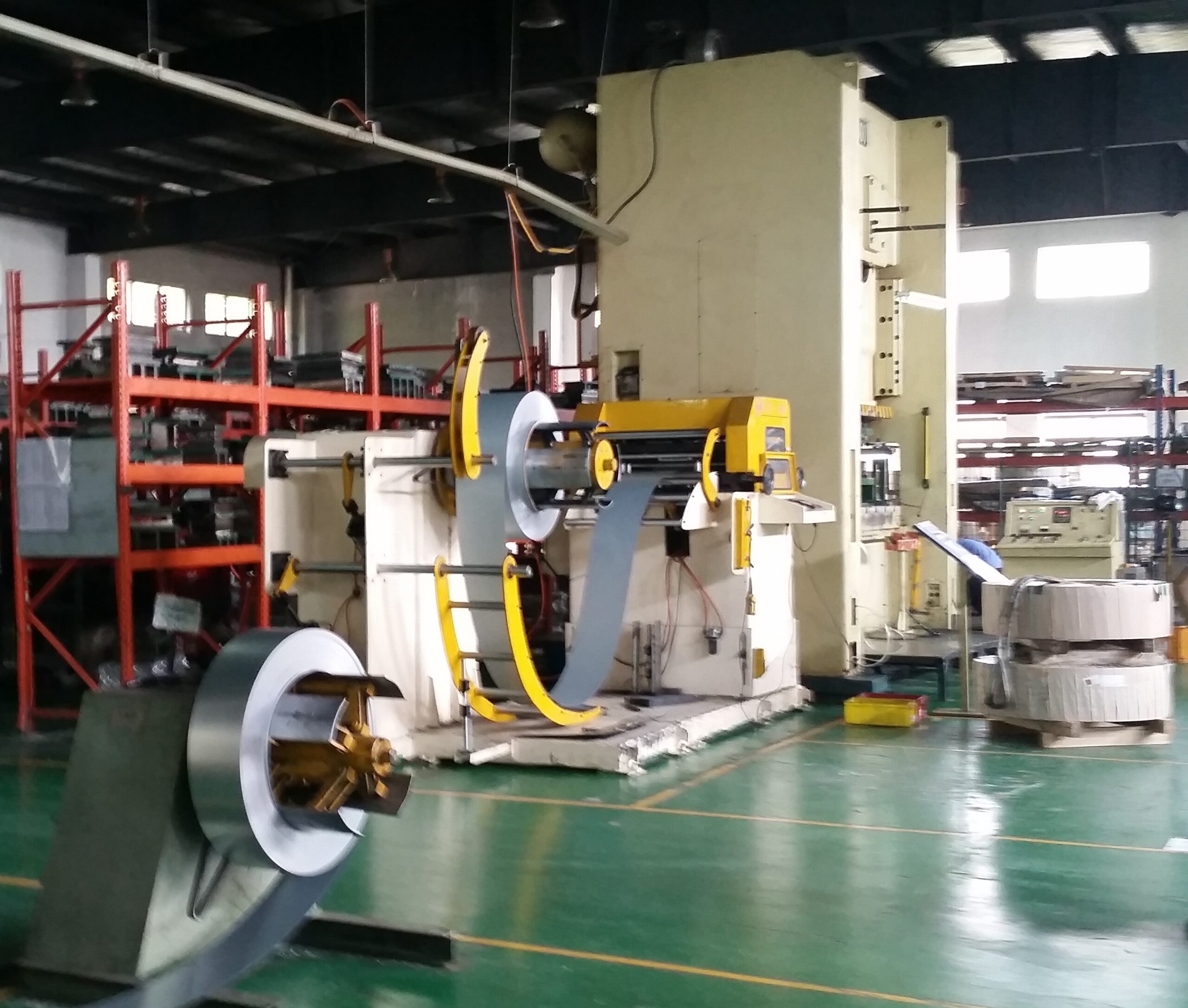
What Precision bugun karfe Means in Practice
Precision bugun karfe is not defined by a marketing label. It is defined by whether the process can repeatedly produce a part within the dimensional, geometric, and cosmetic limits required by the application. In practical terms, bugawa often involves tighter control over material thickness variation, die clearance, springback compensation, tool wear, burr direction, feature location, and secondary handling.
A part may be called “precision stamped” when it requires:
- tight dimensional tolerances on holes, bends, and formed features
- stable repeatability across long production runs
- controlled flatness, parallelism, or positional accuracy
- reliable fit in downstream welding, riveting, insert molding, or mechanical assembly
- minimal burrs or controlled edge condition
- consistent surface quality for plating, electrical tuntuɓa, or visible appearance
That is why high precision bugun karfe usually starts with design-for-manufacturing review, not with the press itself. Small geometry changes at the quoting stage often have a large effect on long-term precision and yield.
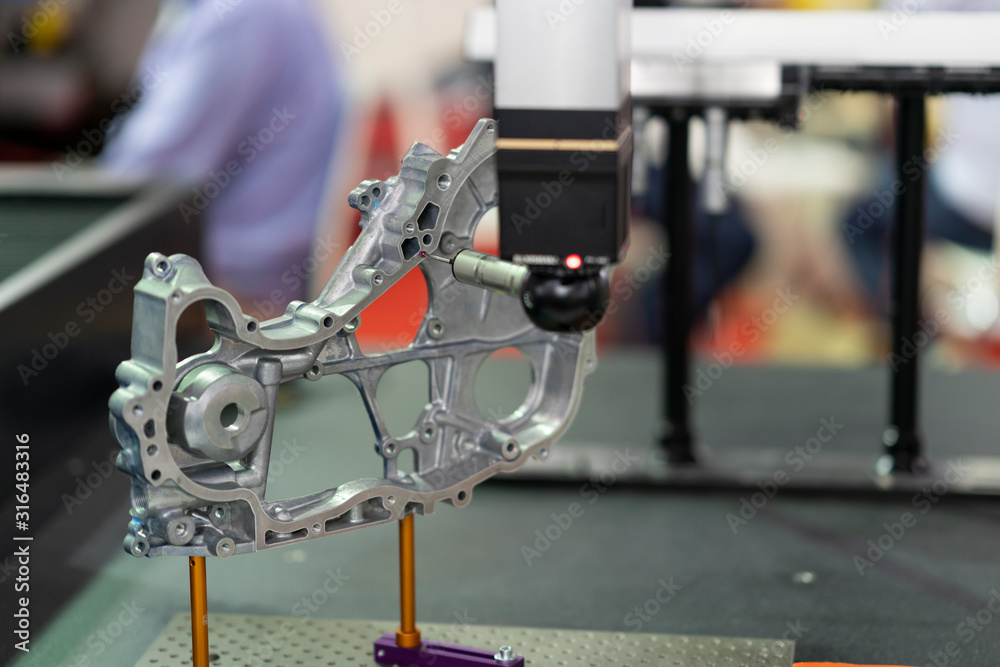
Types of Precision Stamped Sassan We Manufacture
We support a wide range of precision sassan da aka buga used in functional assemblies and demanding industrial products:
- precision brackets and mounting clips
- electrical terminals and conductive contacts
- connector shells and shielding components
- spring features, retainers, and formed clips
- stainless steel medical components
- tight-tolerance washers, shims, and flat stampings
- deep drawn miniature shells and covers
- precision appliance and HVAC metal parts
- small formed components for motoci subassemblies
Many of these parts are simple in appearance but difficult in tolerance control. The challenge is often not producing the first acceptable sample, but maintaining the same dimensional behavior over thousands or millions of cycles.
Materials for Precision bugun karfe
Material choice strongly affects achievable precision. Yield strength, elongation, grain direction, hardness, and coating condition all influence the way a part cuts, bends, and springs back. We help customers balance tolerance targets with formability, corrosion resistance, conductivity, and cost.
| Material | Typical Precision Applications | Main Consideration |
|---|---|---|
| Stainless steel | Medical, hardware, corrosion-sensitive components | Higher springback, strong edge behavior |
| Aluminum | Lightweight electronic and motoci parts | Surface protection and distortion control |
| Copper | Contacts, terminals, conductive stampings | Softness, conductivity, burr control |
| Brass | Connector parts and precision formed pieces | Formability and finish consistency |
| Carbon steel | Brackets, structural stampings, industrial parts | Strength-cost balance |
Related material pages: stainless steel bugawa, aluminum bugawa, copper bugawa, brass bugawa, and steel bugawa.
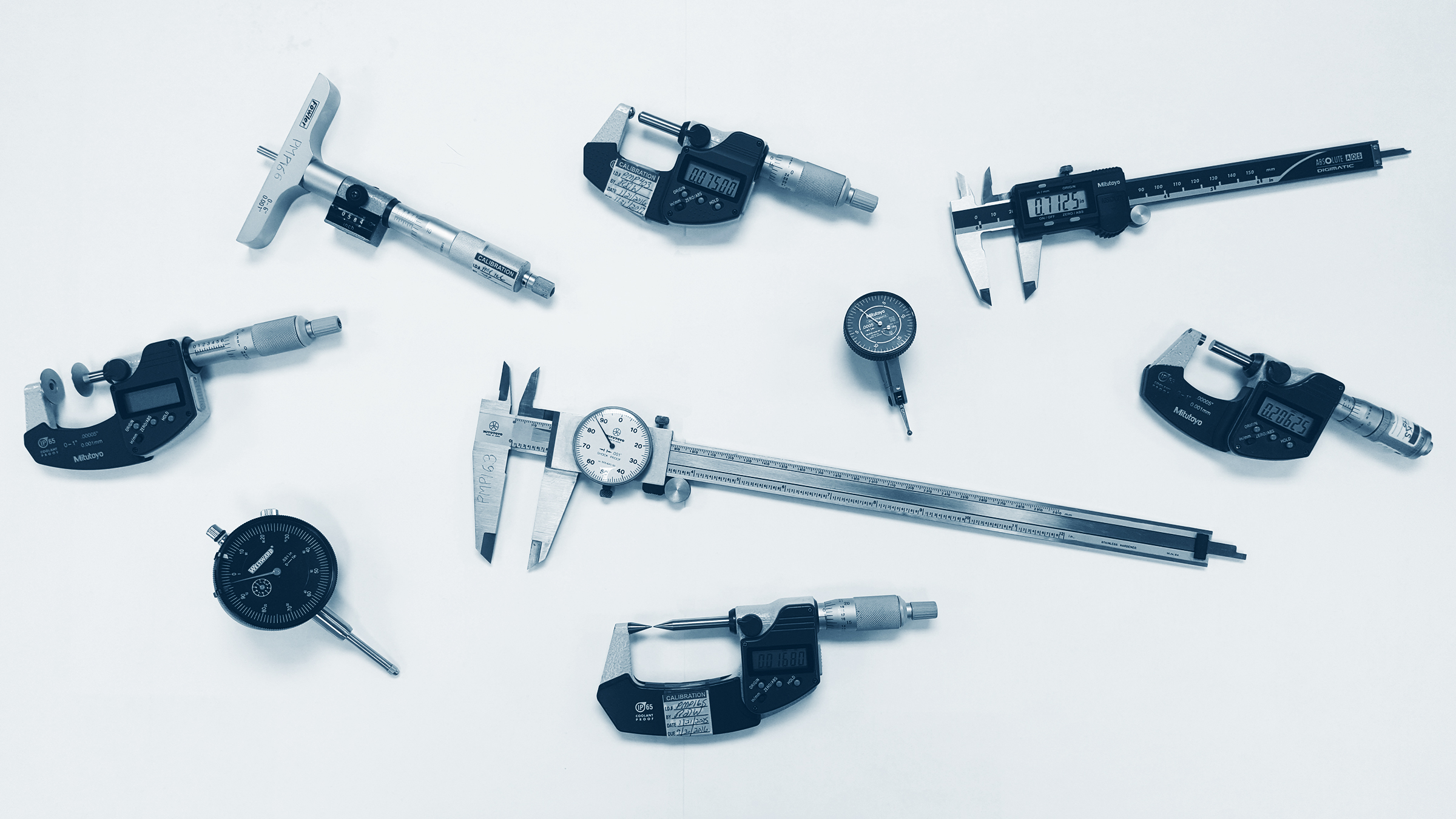
±0.01mm Tolerance bugawa Iyawa
As a dedicated precision bugun karfe masana’anta, we operate 25+ high-speed presses with in-die vision inspection, real-time force monitoring, and automated optical sorting. Every project starts with a DFM (Design for Manufacturability) review to optimize part geometry for precision, tool life, and cost — whether you need ±0.01mm tight-tolerance contacts or complex formed brackets with multiple bends.
For critical features, our precision bugun karfe process can target ±0.01mm tolerance when the part geometry, material thickness, tooling design, and inspection method support it. We review tolerance stacks during DFM, build controlled die sections for key dimensions, and use in-process measurement to keep precision sassan da aka buga stable from pilot run through mass production.
Gidanmu bugawa Abun iyawa
| Iyawa | Specification |
|---|---|
| Material thickness | 0.1 mm to 4.0 mm typical |
| Tolerance range | Typically ±0.01 mm to ±0.03 mm on critical features, depending on geometry and material |
| Processes | Blanking, piercing, bending, embossing, coining, forming, deep drawing |
| Production mode | Prototype, pilot run, low volume, and mass production |
| Tooling | Precision die development, maintenance, and revision support |
| Inspection | FAI, in-process checks, final inspection, gauge-based verification |
| Secondary operations | Tapping, deburring, plating, welding, assembly support |
How We Control Precision in Production
High-bugawa depends on the full process chain. A good result does not come from tonnage alone. It comes from aligning tooling design, material condition, press setup, inspection logic, and maintenance discipline.
Gidanmu control approach typically includes:
- DFM review before tooling release to identify tolerance stacking, sharp transitions, weak bends, and burr-sensitive areas
- Die clearance and strip layout optimization to stabilize feature quality and material use
- Springback compensation for bends and formed geometries
- Critical-dimension monitoring during pilot and production stages
- Tool maintenance planning to reduce dimensional drift over long runs
- Final inspection and traceable records when customer documentation is required
bugawa is especially important when the part interfaces with connectors, sealing surfaces, housings, automation fixtures, or multi-part assemblies where small deviation creates functional problems.
Industries That Require Precision bugun karfe
- Electronics — tuntuɓa parts, EMI shielding, connector components, precision terminals
- motoci — clips, brackets, sensor parts, mounting and retention features
- Medical — stainless components with controlled form and finish
- Appliances — repeatable assembly parts for motors, housings, and control systems
- Industrial equipment — precision formed parts for mechanisms and subassemblies
Relevant application pages include electronics bugawa components, motoci bugawa, medical device bugawa, and home appliances bugawa.
Precision bugun karfe vs Standard bugawa
The difference is not always the part shape. It is the tolerance expectation, consistency requirement, and inspection burden. A standard stamped bracket may only need functional shape. A precision stamped bracket may also need exact hole position, controlled bend angle, stable flatness, and cosmetic consistency because it fits inside a finished assembly.
That difference changes the die design approach, the inspection plan, and in many cases the mai samarwa selection criteria.
Why Buyers Choose Gidanmu bugawa Support
- engineering-first review instead of quote-only response
- experience with tight-tolerance sassan da aka buga
- support for multiple materials and secondary processes
- stable communication between sourcing and technical teams
- production planning built around repeatability, not only output
- clear path from sample validation to scale production
FAQ: Precision bugun karfe
What is precision bugun karfe?
Precision bugun karfe is a controlled bugawa process used to make parts with tight tolerances, repeatable dimensions, and consistent quality for functional OEM applications.
What tolerance can precision sassan da aka buga hold?
The achievable tolerance depends on material, thickness, geometry, feature type, and tooling strategy. Many critical features can be held in the ±0.01 mm to ±0.03 mm range when the part is designed appropriately for bugawa.
Which materials are best for bugawa?
Stainless steel, aluminum, copper, brass, and carbon steel are all common. The best choice depends on corrosion resistance, conductivity, strength, formability, and tolerance sensitivity.
Can you support high-volume precision bugun karfe?
Yes. bugawa is often most valuable in medium and high-volume production because it combines repeatability with lower unit cost after tooling investment.
What industries use high precision bugun karfe?
Electronics, motoci, medical, appliance, industrial, and hardware sectors all rely on high precision sassan da aka buga for assembly accuracy and long-term consistency.
How do you reduce variation in bugawa production?
Variation is reduced through DFM review, precise die design, setup control, material consistency, in-process inspection, and preventive tool maintenance.
Request a bugawa Quote
If your part requires controlled dimensions, assembly-ready consistency, or a more reliable production route than your current mai samarwa provides, we can review the project from both engineering and sourcing perspectives.
tuntube mu for a precision bugun karfe quote and send your drawings, tolerance notes, material callouts, and annual demand information.