
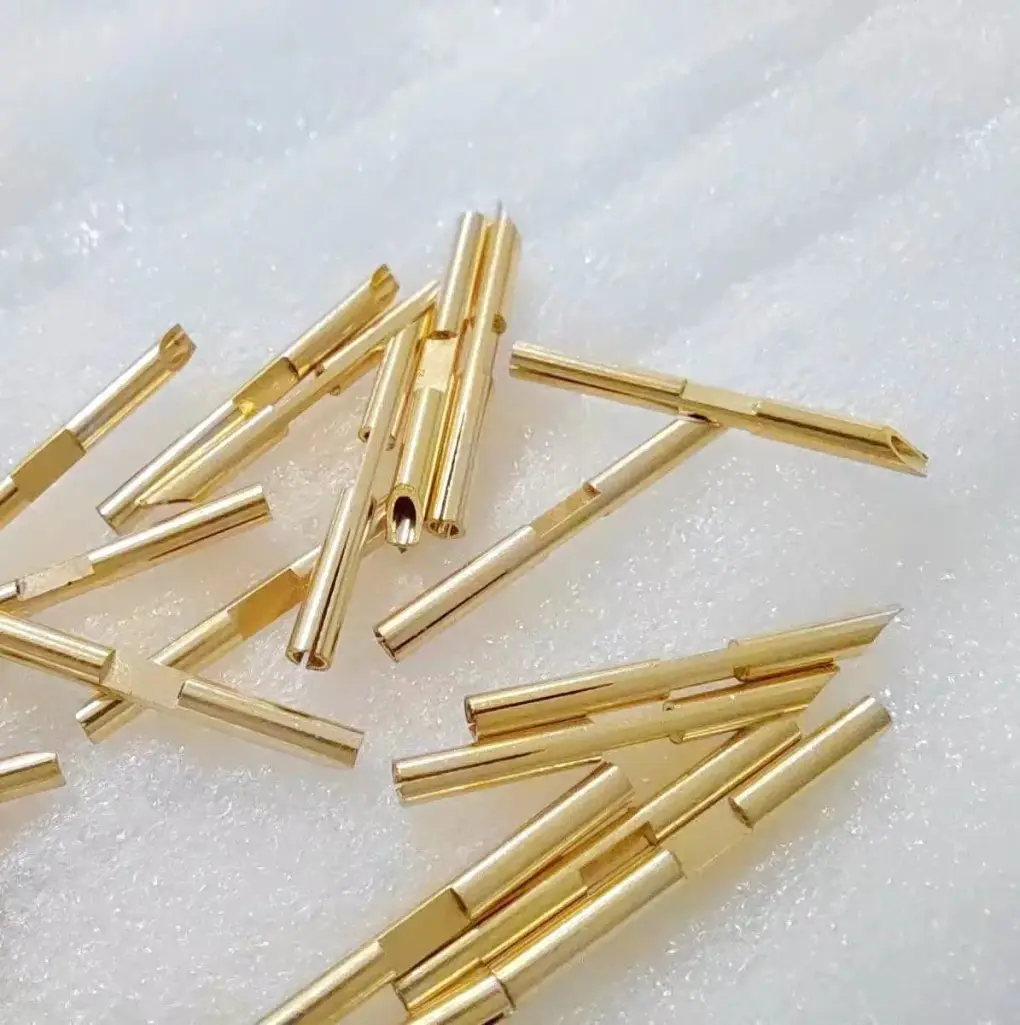
Short answer: Anti-tarnish packaging should be specified when stamped terminals or contacts use exposed copper alloy, silver, tin, or other finishes that can stain, oxidize, or lose solderability during storage. The RFQ should define plating, exposed edges, sulfur and humidity risk, VCI or barrier pack, shelf-life date, handling limits, inspection method, and label requirements.
A terminal can pass final inspection and still arrive with discoloration, dull plating, solderability loss, or contact surface contamination after storage. Packaging is part of the quality plan when the surface must stay conductive, solderable, cosmetic, or low-resistance.
Use this page with the pre-plated cut-edge corrosion guide, tin whisker risk guide, terminal solderability guide, und terminal plating thickness guide.
Shelf-life and packaging details to define
| Risk | Why it matters | RFQ evidence |
|---|---|---|
| Sulfur exposure | Silver and copper alloys can tarnish when exposed to sulfur sources. | Material compatibility review, bag type, paper rule, and storage note. |
| Humidity | Moisture can increase corrosion, stains, and edge oxidation. | Barrier bag, desiccant, humidity indicator, or VCI plan. |
| Handling marks | Fingerprints and oil can affect solderability or resistance. | No-touch zones, gloves, cleaning state, and pack photos. |
| Shelf life | Old stock may need re-inspection before use. | Pack date, expiry date, re-test rule, and label format. |
Match packaging to the finish and storage route
Anti-tarnish control is not the same for every terminal. Bare copper, brass, silver plating, tin plating, nickel underplate, selective plating, and pre-plated strip each have different risks. A sulfur-sensitive finish may need different packaging than an ESD-sensitive contact. A solderable tab may need a different re-test rule than a non-soldered ground clip.
The drawing should mark contact zones, solder zones, exposed cut edges, no-touch surfaces, and areas where discoloration is only cosmetic. If the surface must stay clean, connect the requirement to the cleanliness control guide and surface finish inspection guide if a handling standard is needed.
Use labels to make shelf life enforceable
A shelf-life rule is weak if the carton label does not show pack date, lot ID, revision, finish, storage condition, and expiry or re-inspection date. For reels, trays, bags, and cartons, the label should stay with the usable unit, not only the master carton. If receiving inspection splits cartons, the smaller packs still need traceability.
For electronics parts, packaging may also need ESD control and orientation control. ESD bags alone do not prove anti-tarnish performance, and anti-tarnish paper may not be safe for every plated contact. Pair the packaging plan with the ESD-safe packaging guide, tape-and-reel orientation guide, und packaging transit validation guide. If the part is supplied on reels, define whether the shelf-life date follows the reel, bag, or master carton.
RFQ details to include
- Drawing, material alloy, plating stack, plated zones, exposed edges, solder zones, contact zones, and cosmetic surfaces.
- Expected storage time, shipment route, humidity exposure, sulfur risk, warehouse condition, ESD requirement, and line-side handling method.
- Packaging concept: VCI bag, barrier bag, desiccant, humidity card, anti-tarnish paper, tray, reel, tube, carton, or returnable pack.
- Shelf-life label fields, pack date, expiry or re-test rule, lot ID, revision, quantity, barcode, and storage instruction.
- Inspection after storage: appearance, solderability, contact resistance, plating condition, tarnish photo standard, and acceptance rule.
- Prototype pack, pilot shipment, annual volume, release cadence, and whether buyer approval is required for packaging changes.
How to compare supplier answers
A useful answer explains why a packaging material is compatible with the plating and storage route. A weak answer only says parts will be bagged. Ask whether packaging materials contain sulfur, whether parts can be touched, and how long the supplier expects the surface to remain acceptable.
If shelf life matters, ask for a label sample and re-inspection rule. The supplier should define what happens when stock expires: use as-is, re-test, clean, re-plate, scrap, or request buyer approval.
Send drawings, finish requirements, storage time, receiving rules, and packaging expectations through the Kontaktseite. Use the RFQ form to request anti-tarnish packaging when terminal surfaces must remain solderable or conductive.
FAQ
When do stamped terminals need anti-tarnish packaging?
Use it when exposed copper alloy, silver, tin, or sensitive plated areas must remain conductive, solderable, cosmetic, or low-resistance during storage.
Is ESD packaging the same as anti-tarnish packaging?
No. ESD packaging controls static risk. Anti-tarnish packaging controls moisture, sulfur, surface contamination, and storage-related discoloration.
What label data supports terminal shelf life?
Use pack date, lot ID, revision, finish, quantity, storage condition, expiry or re-test date, and barcode when receiving needs traceability.
What should buyers send for anti-tarnish RFQs?
Send drawings, material, plating, contact zones, solder zones, storage time, shipment route, ESD needs, packaging preference, and inspection criteria.