
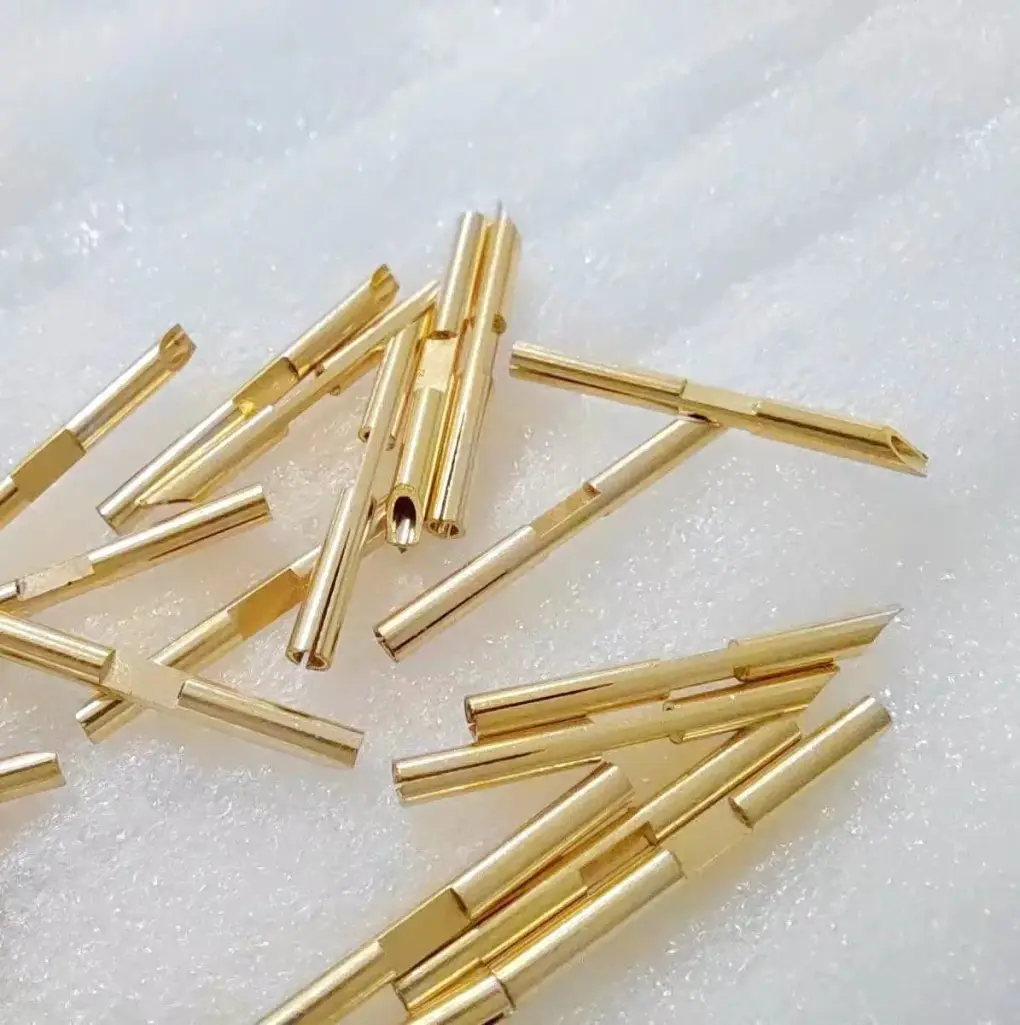
Short answer: precision small штампкунии металл for electronics needs tight control of material temper, burr direction, flatness, plating, тамос surfaces, spring behavior, cleanliness, and packaging. The parts may be tiny, but quote risk is high when drawings do not define function, assembly method, and inspection requirements.
This guide is for electronics buyers sourcing small stamped contacts, shields, springs, clips, кронштейнҳо, lead frames, terminals, retainers, covers, and grounding parts. These parts often combine electrical, mechanical, cosmetic, and assembly requirements in one thin stamped component.
If you have a drawing or sample, send material, thickness, finish, critical dimensions, annual volume, and application notes through the RFQ form. For a complete package, use the штампкунии металл RFQ checklist.
Small stamped electronics parts
Electronics қисмҳои штампшуда often use copper alloys, brass, phosphor bronze, beryllium copper, stainless steel, aluminum, nickel silver, or plated steel. They may be used for conductivity, shielding, grounding, spring force, fastening, heat transfer, or mechanical support.
| Кисми type | Умумӣ function | RFQ concern |
|---|---|---|
| Connector тамос | Electrical connection and spring force. | Мавод temper, plating, тамос area, and force. |
| Grounding spring | Maintains electrical path between assemblies. | Spring height, fatigue, burr side, and plating wear. |
| EMI shield or finger | Shielding, grounding, and enclosure тамос. | Flatness, wall height, corner damage, and packaging. |
| Mini bracket or retainer | Holds PCB, sensor, cover, cable, or module. | Hole position, bend angle, slot fit, and assembly stack. |
| Lead frame or tab | Electrical path, soldering, or component support. | Coplanarity, burrs, cleanliness, and reel/tray packing. |
Мавод and temper matter
For small electronic parts, the material is not just a cost line. Temper affects spring force, bend durability, тамос reliability, and forming risk. Copper alloys may support conductivity. Phosphor bronze and beryllium copper may be used where spring properties matter. Stainless steel may be selected for corrosion or mechanical strength. Aluminum may support lightweight covers or thermal parts.
If the material is not fixed, tell the таъминкунанда the function instead of leaving the choice open. Use the material selection guide and the copper alloy тамос штампкунӣ guide when the part needs spring or electrical performance.
Tolerances, burrs, and small features
Small parts can make ordinary tolerances feel tight because a small shift may affect тамос, insertion, soldering, or assembly. Hole position, slot width, tab height, bend angle, coplanarity, and тамос area should be defined by function. Not every dimension needs a tight tolerance, but the important ones should be clear.
Burr direction can be functional. A burr on a тамос edge may scrape plating. A burr on a PCB-facing edge may damage solder mask. A burr near an assembly slot may block insertion. Use the burr control guide and mark preferred burr side on the drawing when it matters.
Plating and тамос surfaces
Plating may be used for conductivity, solderability, corrosion resistance, wear, or appearance. Tin, nickel, silver, gold, or other finishes may be considered depending on the application. The drawing should mark the тамос zone, solder area, cosmetic side, masked area, and any surface where scratches are unacceptable.
Do not specify plating only by material name when тамос resistance, solderability, or durability matters. Include the thickness, тамос area, mating material, test expectation, and packaging requirement if known. Барраси the plating and passivation RFQ guide before quoting.
Cleanliness and handling
Small electronics parts may need controlled oil residue, no loose burrs, no fingerprints, no conductive contamination, or special cleaning before shipment. Cleaning requirements should be defined early because they affect process sequence, packaging, and cost.
Tell the таъминкунанда whether the part will be soldered, bonded, assembled near optics, used in a sealed device, or handled by automated equipment. The packaging method should protect both part shape and surface cleanliness.
Prototype and production planning
Prototypes for small қисмҳои штампшуда can confirm fit, insertion, тамос, and assembly, but production may require қолаби прогрессивӣ штампкунӣ for stable volume and repeatability. A prototype made by laser cutting or simple tooling may not prove production burr direction, strip layout, carrier marks, or forming consistency.
If production volume is medium or high, compare tooling options with the қолаби прогрессивӣ cost guide and production муҳлати таҳвил guide. For very small parts, handling and packaging can be as important as the штампкунӣ operation.
RFQ checklist for small electronics қисмҳои штампшуда
- 2D drawing and 3D model with revision.
- Синфи мавод, temper, thickness, and allowed substitutes.
- Electrical function: тамос, grounding, shielding, soldering, or thermal transfer.
- Critical dimensions, тамос zones, bend angles, coplanarity, and spring features.
- Finish or plating requirement, тамос area, and surface restrictions.
- Burr direction, edge break, cleanliness, and no-loose-particle requirements.
- Prototype, pilot, annual volume, and production release schedule.
- Packaging method: bulk, counted bag, tray, reel, tube, or custom fixture.
Сифат checks buyers should request
Dimensional inspection alone may not be enough. Depending on the part, request flatness, coplanarity, bend angle, spring height, insertion fit, plating appearance, тамос resistance, solderability, burr check, or functional assembly check. For controlled programs, include first article inspection or PPAP/APQP requirements in the quote.
For quote support, send drawings, samples, target volume, and assembly notes through the RFQ form. Include photos of mating parts if the stamped part must тамос, snap, solder, slide, or flex during use.
Саволҳо: small precision штампкунии металл for electronics
What materials are common for small electronics қисмҳои штампшуда?
Умумӣ options include copper alloys, brass, phosphor bronze, beryllium copper, stainless steel, aluminum, nickel silver, and plated steels.
Why is burr direction important?
Burr direction can affect тамос surfaces, PCB safety, insertion force, plating wear, and assembly fit. Mark preferred burr side when it matters.
Can small қисмҳои штампшуда be plated after штампкунӣ?
Often yes, but plating requirements should be defined before tooling because тамос zones, masking, burrs, and packaging may affect the process.
Are prototypes enough to approve production?
Not always. Prototype methods may not match production tooling, strip layout, burr direction, or forming consistency. Confirm production samples separately.
What packaging is best for tiny қисмҳои штампшуда?
It depends on geometry and assembly. Counted bags, trays, reels, tubes, or custom packaging may be needed to avoid mixing, bending, or contamination.
What should be sent for an RFQ?
Ирсол кунед drawings, material, thickness, finish, critical dimensions, annual volume, assembly function, cleanliness needs, and packaging requirements.