
Progressive Matrize vs. Transfermatrize: Vollständiger Vergleichsleitfaden 2026
Wenn Ihr gestanztes Teil mehrere Arbeitsgänge erfordert – Lochen, Formen, Biegen, Ziehen – stehen Sie vor einer entscheidenden Prozessentscheidung: Progressive Matrize oder Transfermatrize. Beide Technologien bewegen Teile durch aufeinanderfolgende Vorgänge, unterscheiden sich jedoch grundlegend in der Art und Weise, wie das Werkstück zwischen den Stationen transportiert wird. Die Wahl des falschen Ansatzes kann die Werkzeugkosten um 50–100 % in die Höhe treiben oder den Durchsatz um 30–50 % verringern. Dieser Leitfaden bietet einen datengesteuerten Rahmen, der Ihnen hilft, die richtige Entscheidung zu treffen.
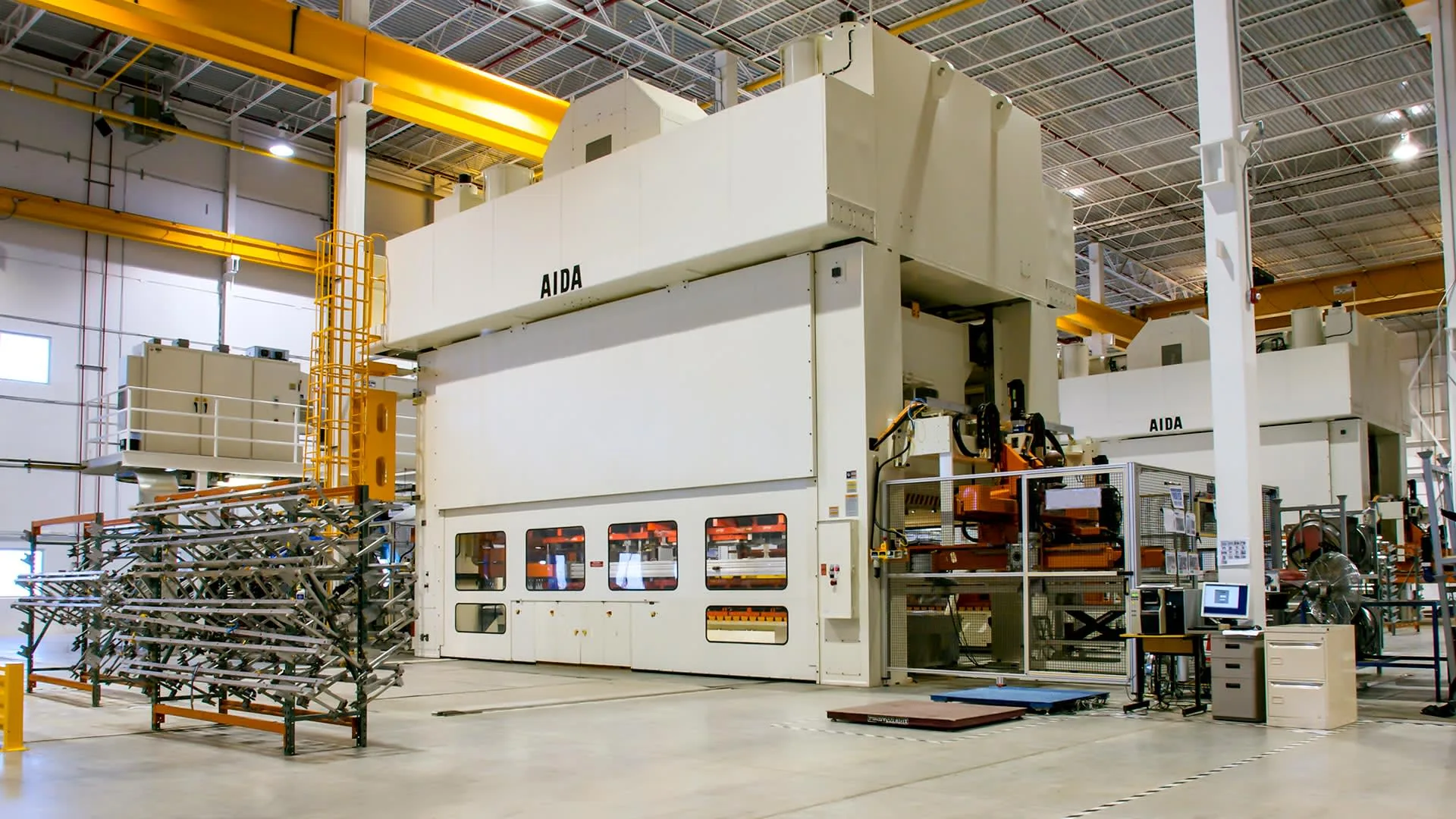
Was ist progressives Stanzen?
In Folgestanzenwird das Werkstück als kontinuierlicher Metallstreifen (Coil) durch einen einzigen Matrizensatz mit mehreren Stationen geführt. Bei jedem Pressenhub wird das Band um eine Teilung weiterbewegt, und an jeder Station wird ein anderer Vorgang ausgeführt: Lochen an Station 1, Formen an Station 2, Biegen an Station 3 und Stanzen (Trennung vom Band) an der letzten Station. Das Teil bleibt bis zum endgültigen Trennvorgang über kleine Trägerlaschen am Streifen befestigt.
Folgeverbundwerkzeuge sind die vorherrschende Technologie für die Großserienproduktion von kleinen bis mittelgroßen Teilen (typischerweise unter 300 mm in jeder Abmessung). Die Pressengeschwindigkeiten reichen von 30-1.200 Hüben pro Minute (SPM), wobei jeder Hub ein fertiges Teil produziert. Bei 200 SPM produziert ein Folgewerkzeug 12.000 Teile pro Stunde – was es zur produktivsten Stanztechnologie für die Qualifizierung von Teilen macht.
Hauptvorteil: Das Band selbst dient als Transfermechanismus, sodass kein separates Teilehandhabungssystem erforderlich ist. Diese Einfachheit führt zu einer schnelleren Einrichtung, geringerem Wartungsaufwand und höherer Zuverlässigkeit im Vergleich zu Transfersystemen.
Was ist Transfer-Stanzen?
In Transfer-Matrizenstanzen: Das Teil wird zuerst an der Anfangsstation aus dem Band ausgestanzt und dann mechanisch zwischen einzelnen, physisch getrennten Matrizenstationen durch ein -Transfersystem übertragen – ein Satz Greiferschienen oder Finger, die das Teil aufnehmen und zwischen den Pressenhüben zur nächsten Station bewegen. Im Gegensatz zum progressiven Stanzen bewegt sich das Teil unabhängig voneinander durch die Matrizen und ist dabei vollständig vom ursprünglichen Streifen getrennt.
Transfermatrizen zeichnen sich durch die Herstellung von großen, komplexen Teilen aus, , die aufgrund von Bandbreitenbeschränkungen, Materialkosten (große Trägerbahnen als Abfallmaterial) oder der Notwendigkeit, das Teil zwischen den Arbeitsgängen zu drehen/neu auszurichten, in Folgematrizen unpraktisch sind. Transferpressen arbeiten typischerweise mit 15-60 SPM – aufgrund der mechanischen Transferbewegung über Kopf langsamer als progressive Pressen – können aber Teile mit einer Länge von bis zu 2 Metern verarbeiten.
Hauptvorteil: Durch die Abwesenheit des Trägerstreifens kann das Teil zwischen Stationen gedreht, gewendet oder neu ausgerichtet werden, wodurch komplexe 3D-Geometrien möglich werden, die bei Folgewerkzeugen nicht möglich sind. Transfermatrizen ermöglichen außerdem die Verwendung individueller Kissen-/Drucksysteme an jeder Station für eine präzise Zugsteuerung.
Direkter Vergleich: Progressive Matrize vs. Transfermatrize
| Faktor | Progressive Matrize | Transfermatrize |
|---|---|---|
| Teilegröße | Bis zu ~300 mm Länge | Bis zu ~2.000 mm Länge |
| Produktionsgeschwindigkeit | 30–1.200 SPM | 15-60 SPM |
| Werkzeugkosten | 8.000–80.000 $ (einzelner Matrizensatz) | 15.000–150.000 $ (mehrere Matrize). Sätze) |
| Materialausnutzung | 60–80 % (Trägerbahn verbraucht Material) | 75–90 % (keine Trägerbahn erforderlich, obwohl noch Stanzabfall vorhanden ist) |
| Teilekomplexität | 2D/2,5D-Vorgänge; begrenzte Rotation | Vollständige 3D-Operationen; Teil kann gedreht/umgedreht werden |
| Rüstzeit | 1–4 Stunden (Einzel-Matrizensatz) | 4–12 Stunden (Ausrichtung mehrerer Matrizen + Übertragungszeitpunkt) |
| Ideales Volumen | 50.000 – 10 Mio.+ Stück/Jahr | 10.000–500.000 Stück/Jahr |
| Gesenkwartung | Mäßig (Verschleiß konzentriert sich auf ein Gesenk) | Höher (mehrere Gesenksätze müssen gewartet werden) |
| Pressenanforderung | Standard-Mechanische Presse | Presse mit integriertem Transfersystem oder spezieller Transferpresse |
Wann Sie sich für progressives Stanzen entscheiden sollten
Progressives Stanzen ist die optimale Wahl, wenn:
- Die Teilegröße liegt unter 300 mm. – die Bandbreite, die zum Tragen des Teils plus Trägerbahn erforderlich ist, bleibt innerhalb der Standard-Coilbreiten (typischerweise maximal 600–1.000 mm).
- Das jährliche Volumen übersteigt 50.000 Stück – ein hohes Volumen rechtfertigt die Vorabinvestition in eine Präzisions-Folgeverbundstanze, und der Geschwindigkeitsvorteil (bis zu 1.200 SPM) maximiert den ROI.
- Operationen sind hauptsächlich 2D- oder 2,5D-Operationen – Lochen, Stanzen, Biegen, Formen und einfaches Ziehen können alle in Folgewerkzeugen untergebracht werden, ohne dass eine Neuausrichtung der Teile erforderlich ist.
- Das Material ist dünn und wird streifenweise zugeführt. – eine Materialstärke von 0,1–6,0 mm funktioniert gut in Folgeverbundwerkzeugen, und die Streifenzuführung (Coil) ist Standard. Besuchen Sie unsere -Seite zum progressiven Stanzen für detaillierte Informationen.
- Das Teiledesign ist relativ stabil. – das Modifizieren eines Folgeverbundwerkzeugs ist deutlich teurer als das Modifizieren einzelner Transferwerkzeugstationen, da sich Änderungen über den gesamten Werkzeugsatz ausbreiten.
Übliche Folgeverbundstanzanwendungen sind: elektrische Anschlüsse und Kontakte (oft mit 500–800 SPM), Kfz-Halterungen und -Clips,, elektronische Verbindungskomponenten,, Federstahlteile,und Kleingerätekomponenten,.
Wann man sich für Transfer-Stanzen entscheiden sollte.
Transfer-Stanzen wird besser Wahl, wenn:
- Teilegröße 300 mm überschreitet – große Karosserieteile, Strukturhalterungen und Gerätegehäuse sind in Folgeverbundwerkzeugen unpraktisch. Transfermatrizen verarbeiten Teile bis zu einer Länge von 2 Metern.
- Das Teil muss zwischen den Arbeitsgängen gedreht oder gewendet werden. – tiefgezogene Schalen, die von beiden Seiten gestanzt werden müssen, oder Teile, die auf mehreren Flächen geformt werden müssen, profitieren von der Flexibilität der Transferform.
- Das Material ist dick (6 mm+) – dicke Materialien erfordern größere Düsenabstände und eine höhere Tonnage; Transferpressen mit individueller Ziehkissensteuerung sorgen für eine höhere Formpräzision bei schweren Teilen.
- Das jährliche Volumen beträgt 10.000–500.000 Stück — Der Geschwindigkeitsnachteil von Transferpressen (15–60 SPM gegenüber 200+ SPM progressiv) wird durch geringere anfängliche Werkzeuginvestitionen und eine bessere Materialausnutzung für große Teile ausgeglichen.
- Das Teiledesign kann sich weiterentwickeln — Die Änderung oder der Austausch einzelner Matrizenstationen in einem Transfersystem ist schneller und kostengünstiger als die Änderung einer einzelnen integrierten Folgeverbundmatrize. Dies ist für Produkte mit jährlichen Designaktualisierungen von Vorteil.
Zu den gängigen Anwendungen für Transfermatrizen gehören: Karosserieteile und Strukturelemente für Kraftfahrzeuge, Großgerätegehäuse (Wasch-/Trocknerplatten), schwere LKW-Rahmenkomponenten, große tiefgezogene Muschelnund Strukturhalterungen für die Luft- und Raumfahrt. Weitere Einzelheiten finden Sie in unserem Transfer-Stanz-Prägeseite.
Kostenvergleich und ROI-Analyse
Die Wahl zwischen Folge- und Transferstanzen ist grundsätzlich eine wirtschaftliche Entscheidung. Hier ist ein repräsentativer Vergleich für ein Bracket mittlerer Komplexität (150 mm × 80 mm, 2,0 mm Stahl, 4 Arbeitsgänge) bei unterschiedlichen jährlichen Volumina:
- 50.000 Stück/Jahr: Progressive Matrize ~ 0,38 $/Stück (amortisiert über eine Matrizenlebensdauer von 2 Jahren), Transfermatrize ~ 0,62 $/Stück. Progressive Gewinne – Geschwindigkeitsvorteil überwiegt höhere Werkzeugkosten.
- 200.000 Stück/Jahr: Progressive Matrize ~ 0,18 $/Stück, Transfermatrize ~ 0,30 $/Stück. Progressive behauptet seinen Vorsprung.
- 500.000 Stück/Jahr: Progressive Matrize ~ 0,12 $/Stück (nahezu Materialkostenuntergrenze), Transfermatrize ~ 0,22 $/Stück. Progressiv ist in diesem Teil eindeutig dominant.
Allerdings für einen großer Teil (400mm × 250mm), verschiebt sich die Berechnung dramatisch, da der Materialabfall der progressiven Trägerbahn ihren Kostenvorteil zunichte macht:
- 50.000 Stück/Jahr: Transfermatrize ~ 1,85 $/Stück, progressive Matrize ~ 2,40 $/Stück – die Materialeinsparungen (20 % bessere Ausnutzung des großen Teils) machen die Transfermatrize trotz langsamerer Geschwindigkeit günstiger.
- 200.000 Stück/Jahr: Transfermatrize ~ 0,90 $/Stück, progressive Matrize ~ 1,35 $/Stück – der Materialeffizienzvorteil der Transfermatrize wächst mit dem Volumen.
Der kritische Entscheidungsvariablen sind: Teilegröße (bestimmt den Materialabfall der Trägerbahn), Produktionsvolumen (bestimmt den Geschwindigkeitsprämienwert) und geometrische Komplexität (bestimmt, ob progressive Werkzeuge alle Vorgänge bewältigen können). Unser Ingenieurteam kann eine detaillierte Kostenanalyse erstellen, in der beide Ansätze für Ihr spezifisches Teil verglichen werden – in der Regel innerhalb von 24 Stunden nach Erhalt Ihrer Zeichnung.
Allgemeine Hinweise zu Stempelprozessen finden Sie in unserer Vollständiger Leitfaden zum Metallstanzen. Informationen zu volumenspezifischen Strategien finden Sie unter Großserienprägung oder Stanzen mit geringem Volumen.
Häufig gestellte Fragen
Was ist der Hauptunterschied zwischen Folge- und Transferstanzen?
Der grundlegende Unterschied ist wie sich das Teil zwischen den Vorgängen bewegt. Beim progressiven Stanzen bleibt das Teil an einem fortlaufenden Metallstreifen (Trägerbahn) befestigt, der in einem einzigen Stanzsatz alle Stationen durchläuft. Beim Transfer-Matrizenstanzen wird das Teil zunächst ausgestanzt und dann mechanisch zwischen physisch getrennten Matrizenstationen transportiert (gegriffen und bewegt). Diese Unterscheidung bestimmt Entscheidungen über Teilegrößenbeschränkungen, Produktionsgeschwindigkeit, Werkzeugkosten und geometrische Komplexität.
Welcher Prozess ist schneller?
Das progressive Stanzen ist deutlich schnellerund arbeitet mit 30–1.200 Hüben pro Minute im Vergleich zu 15–60 SPM bei Transferpressen. Bei 200 SPM produziert ein Folgewerkzeug Teile in 0,3 Sekunden – allein die mechanische Transferbewegung in einer Transferpresse dauert 0,5–1,0 Sekunden pro Zyklus. Der Geschwindigkeitsvorteil macht das progressive Stanzen zur klaren Wahl für kleine, großvolumige Teile.
Können Folgeverbundwerkzeuge das Tiefziehen bewältigen?
Ja – Folgeverbundwerkzeuge können flache bis mäßige Tiefziehvorgänge umfassen (Ziehverhältnisse bis zu ~1,6 in einer einzelnen Folgestation). Allerdings eignet sich das Tiefziehen mit mehrstufigem Nachziehen und Glühen zwischen den Stufen besser für Transferformen, da jede Formstation über eine unabhängige Kissendrucksteuerung verfügen kann und das Teil bei Bedarf zum Glühen zwischen den Stufen aus der Linie entnommen werden kann. Weitere Einzelheiten zur Prozessauswahl finden Sie in unserem -Tiefziehleitfaden .
Warum sind Transfermatrizen im Werkzeugbau teurer?
Transfermatrizen erfordern mehrere einzelne Matrizensätze (einer pro Station) sowie einen Transfermechanismus (Schienen, Greifer, Zeitsteuerung), während eine progressive Matrize alle Stationen in einem einzigen integrierten Matrizensatz enthält. Darüber hinaus benötigt jede Transfer-Matrizenstation einen eigenen Matrizenschuh, Führungsstifte und ein eigenes Ausrichtungssystem. Bei großen Teilen gleichen die Materialeinsparungen durch den Verzicht auf die Trägerbahn jedoch oft die höheren Werkzeuginvestitionen über die Produktionslebensdauer mehr als aus.
Wie entscheide ich, welcher Prozess für meinen Teil der richtige ist?
Beginnen Sie mit der -Größe und dem jährlichen VolumenIhres Teils. Wenn das Teil weniger als 300 mm groß ist und das Volumen 50.000/Jahr übersteigt, ist das progressive Stanzen fast immer die bessere Wahl. Wenn das Teil 300 mm überschreitet oder zwischen den Arbeitsgängen gedreht/gedreht werden muss, ist das Transferprägen die bevorzugte Option. In Grenzfällen reichen Sie Ihre Zeichnung bei unserem Ingenieurteam ein, um ein Vergleichsangebot für Folge- und Transferwerkzeuge zu erhalten – wir stellen Ihnen Kostenmodelle und eine Empfehlung auf der Grundlage Ihrer spezifischen Geometrie- und Volumenprognose zur Verfügung.