
Von Liu Zhou | Aktualisiert im Mai 2026
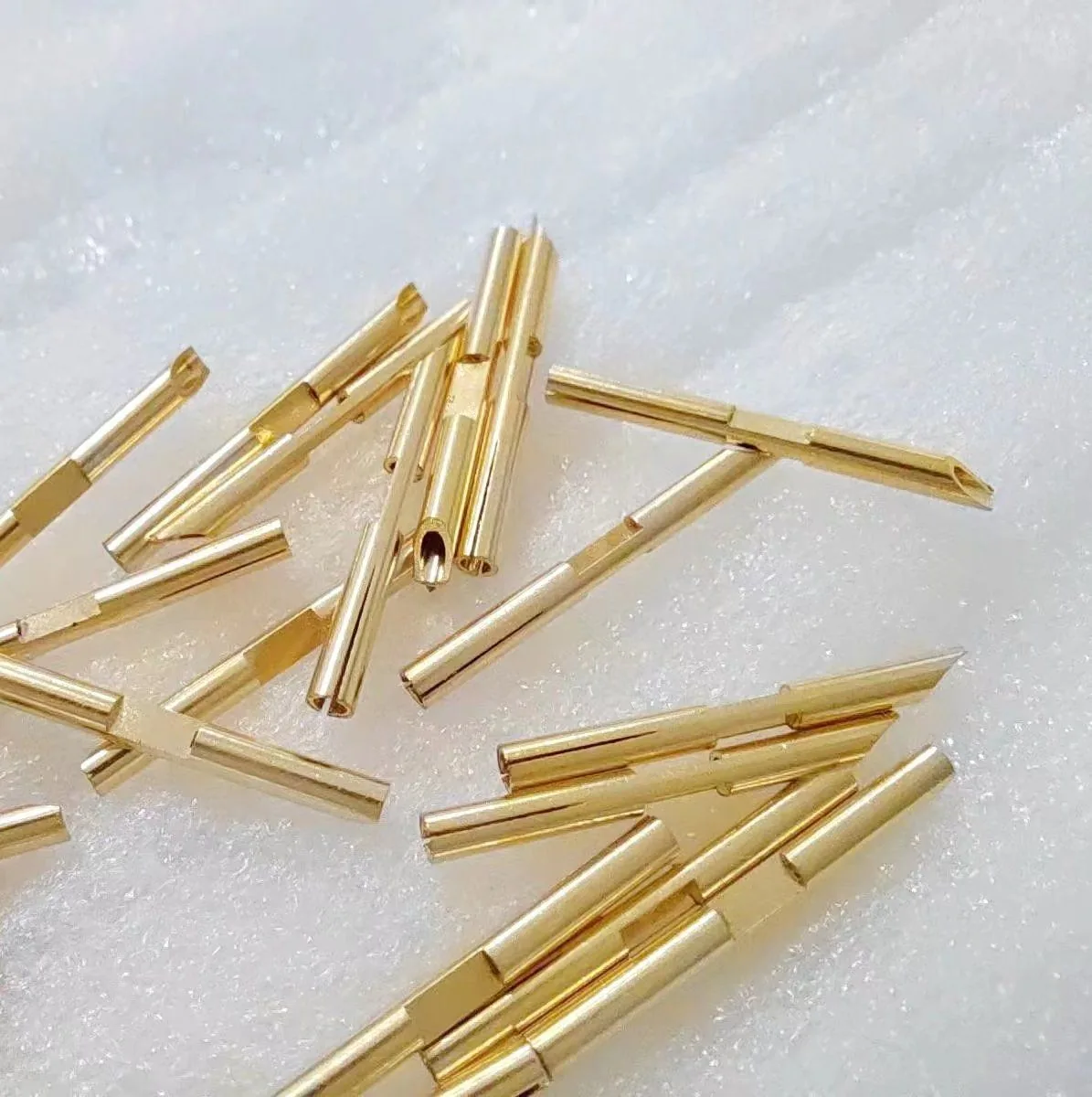
Der beste Hersteller für das Stanzen von Elektroniksteckverbindern kombiniert Mikropräzisionswerkzeuge (±0,005 mm Toleranz), Reinraumproduktion der ISO-Klasse 7 und Hochgeschwindigkeitspressen mit 300–1.200 SPM, um konsistente, fehlerfreie Kontakte in großem Maßstab zu liefern. Top-Lieferanten verfügen über umfassende interne Kapazitäten – vom progressiven Formenbau bis hin zu automatisierten Beschichtungslinien – und verfügen über IATF 16949-, ISO 9001- und UL-Zertifizierungen. Sie unterstützen das schnelle Prototyping (5–7-tägige Werkzeugversuche), bieten DFM-Zusammenarbeit während der Entwurfsphase und garantieren Cpk ≥ 1,67 bei kritischen Abmessungen. Dieser Leitfaden bewertet und bewertet die weltweit führenden Hersteller von Steckverbinderstanzen für das Jahr 2026.
Warum die Stanzqualität von Steckverbindern im Jahr 2026 wichtiger denn je ist
Der globale Steckverbindermarkt wird voraussichtlichübertreffen 95 Milliarden US-Dollar bis 2027(Bishop & Associates), angetrieben durch 5G-Infrastruktur, Elektrofahrzeuge, medizinische Wearables und KI-Serverfarmen. Jeder dieser Konnektoren ist aufangewiesen präzisionsgeprägte Kontakte, Anschlüsse und Leadframes– Komponenten, bei denen Abweichungen im Mikrometerbereich zu Feldausfällen führen.
Die Wahl des falschen Stanzlieferanten erhöht nicht nur den Ausschuss. Es verzögert Produkteinführungen, löst Garantieansprüche aus und schadet dem Ruf der Marke. Dieser Leitfaden führt Beschaffungsteams und Steckverbinderdesigningenieure durch alle Bewertungskriterien, von der Werkzeugfähigkeit bis zur Materialwissenschaft, damit Sie beruhigt einkaufen können.
Wie wir Hersteller von Steckverbinderstempeln bewertet haben
Wir haben über 40 globale Lieferanten anhand von 12 gewichteten Kriterien bewertet. Die folgende Tabelle fasst die Schlüsselfaktoren zusammen, die jeder Käufer bewerten sollte.
| Bewertungskriterium | Gewicht | Worauf Sie achten sollten |
|---|---|---|
| Maßtoleranz | 20% | ±0,005 mm oder enger bei kritischen Merkmalen |
| Pressgeschwindigkeit und Tonnage | 15% | 300–1.200 SPM; Kapazitätsbereich 15–80 Tonnen |
| Materialkompetenz | 15% | Berylliumkupfer, Phosphorbronze, Beryllium-Nickel, Edelstahl |
| Beschichtungsfähigkeit | 10% | Selektives Gold, Zinn, Nickel-Palladium; Rolle-zu-Rolle oder Rack |
| Qualitätssysteme | 10% | IATF 16949, ISO 9001, ISO 14001, UL-registriert |
| Reinraumumgebung | 5% | ISO-Klasse 7 oder besser für medizinische/Mikro-Steckverbinder |
| Prototyping-Geschwindigkeit | 5% | Erstmuster in 5–10 Werktagen |
| DFM-Engineering-Unterstützung | 5% | Interne Werkzeugingenieure, die gemeinsam mit dem Kunden entwerfen |
| Vorlaufzeit und Kapazität | 5% | Skalierbar von 10.000 auf über 100 Millionen Teile/Monat |
| Geografie und Logistik | 5% | Nähe zur Kundenmontage, Möglichkeiten des Zolllagers |
| Zertifizierungen und Compliance | 3% | RoHS, REACH, Berichterstattung über Konfliktmineralien |
| Kostenwettbewerbsfähigkeit | 2% | Gesamte Anschaffungskosten, nicht nur Stückpreis |
Profi-Tipp:Gewichten Sie diese Kriterien entsprechend Ihrer Bewerbung. Automobilkäufer sollten die IATF 16949- und PPAP-Fähigkeit hervorheben. Erstausrüster von Medizinprodukten sollten Reinraum- und Biokompatibilitätstests Vorrang einräumen.
Arten von Elektroniksteckverbindern, die eine Präzisionsstanzung erfordern
Board-to-Board-Steckverbinder
Board-to-Board-Steckverbinder (BTB) sind das Rückgrat modularer Leiterplattenbaugruppen in Smartphones, Laptops und Serverplatinen. Zu den gestanzten Komponenten gehören:
- Stiftleisten und Buchsen— Teilung bis zu 0,35 mm in 2026-Designs
- Mezzanine-Kontakte— erfordert Koplanarität ≤ 0,05 mm
- Schwimmende Anschlüsse— mit aus Phosphorbronzestreifen gestanzten Federreliefelementen
Der Trend zuBTB-Steckverbinder mit 0,3-mm-Rasterin Flaggschiff-Smartphones erfordert Stanztoleranzen, die vor fünf Jahren undenkbar waren. Führende Hersteller verwenden mittlerweileoptische ProfilometrieInline zur Überprüfung der Kontaktgeometrie an jedem Teil.
Wire-to-Board-Steckverbinder
Wire-to-Board-Steckverbinder (WTB) übernehmen die Strom- und Signalführung von Kabeln zu Leiterplatten in Geräten, Industriesteuerungen und Fahrzeugkabelbäumen. Wichtige gestanzte Elemente:
- Crimpklemmen— Die Zylindergeometrie muss für zuverlässiges Crimpen ±0,01 mm einhalten
- Weibliche Kontakte— Doppelstrahl- oder Stimmgabelkonstruktionen für geringen Kontaktwiderstand
- Verriegelungslaschen und Halterungen— progressiv gestanzt mit integrierten Federelementen
Die Produktion von WTB-Terminals in großen Stückzahlen läuft oft bei800–1.200 SPMauf Bruderer- oder AIDA-Hochgeschwindigkeitspressen, wodurch die Stabilität der Presse und die Wartung der Matrize von entscheidender Bedeutung sind.
Stromanschlüsse
Stromanschlüsse für das Laden von Elektrofahrzeugen, Solarwechselrichter und Rechenzentrums-PDUs mit Stempeldicke Kupfer- und Messinglegierungen(0,4–1,2 mm). Zu den Anforderungen gehören:
- Aktuelle Nennwerte von 20–200+ Ampere
- Stromschienenkontakte mit minimalem Grat (< 10 % der Materialstärke)
- In die geprägte Geometrie integrierte Wärmeableitungsfunktionen
- Punktschweiß- oder laserschweißfähige Oberflächen
Hersteller, die dieses Segment bedienen, benötigen80-Tonnen- oder größere progressive Pressenund Fachwissen inDickbandzuführungohne Verzerrung.
Präzisionsanforderungen für das Stanzen von Steckverbindern
Toleranzbänder nach Anwendung
| Anwendung | Typische Toleranz | Kritische Funktionen |
|---|---|---|
| Unterhaltungselektronik (Telefone, Tablets) | ±0,01 mm | Kontaktabstand, Strahlablenkung |
| Automobil (ADAS, EV-Stromversorgung) | ±0,005 mm | Crimphülse, passende Geometrie |
| Medizinische Geräte | ±0,005 mm | Biokompatibles Oberflächenfinish, gratfrei |
| Luft- und Raumfahrt & Verteidigung | ±0,003 mm | Hermetik, Vibrationsfestigkeit |
| Server / Rechenzentrum | ±0,008 mm | Koplanarität mit hoher Pinzahl |
Wie Spitzenhersteller Mikropräzision erreichen
- Drahterodieren und Koordinatenschleifen— Herstellung von Submikron-Werkzeugkomponenten
- In-Die-Sensorik— Kraftmesszellen und Vision-Kameras im Inneren des Folgeverbunds erkennen Maßabweichungen in Echtzeit
- Temperaturgesteuerte Werkzeuge— Kompensation der Wärmeausdehnung für die Produktion rund um die Uhr
- Statistische Prozesskontrolle (SPC)— Cpk-Überwachung mit automatischem Stopp der Presse bei Schwellenwertverletzungen
MikrostanzelektronikAnwendungen – wie etwa HF-Steckverbinder mit einem Rastermaß von 0,2 mm – erfordern Toleranzen von ±0,002 mm. Nur eine Handvoll Hersteller weltweit können diese Fähigkeit in großen Mengen aufrechterhalten.
Materialauswahl für das Stanzen von Steckverbindern
Berylliumkupfer (BeCu)
Berylliumkupferlegierungen (C17200, C17510) bleiben der Goldstandard für hochzuverlässige Kontakte:
- Streckgrenze nach Aushärtung:900–1.400 MPa
- Elektrische Leitfähigkeit:22–60 % IACS je nach Legierung
- Spannungsrelaxationswiderstand:Behält die Kontaktkraft bei erhöhten Temperaturen (150 °C+)
- Typische Anwendungen:Federkontakte in Steckverbindern für Luft- und Raumfahrt, Automobil und Telekommunikation
Das Stanzen von BeCu erfordert eine sorgfältige Matrizenkonstruktion– Das Material verfestigt sich schnell, daher müssen progressive Matrizensequenzen den Kornfluss steuern und Risse an den Biegeradien vermeiden.
Phosphorbronze (C51000, C52100)
Phosphorbronze ist das Arbeitstier der Steckverbinderindustrie:
- Hervorragende Federeigenschaftenfür Cantilever- und Dual-Beam-Kontakte
- Gute Formbarkeitim geglühten Zustand, mit Wärmebehandlung nach dem Stanzen, um Federhärte zu entwickeln
- Kostengünstigim Vergleich zu BeCu für Verbraucher- und Industrieanwendungen
- Typischer Tonhöhenbereich:0,5 mm bis 5,0 mm Steckverbinder
Andere Speziallegierungen
| Legierung | Entscheidender Vorteil | Allgemeiner Gebrauch |
|---|---|---|
| Beryllium-Nickel (C17510) | Hohe Leitfähigkeit + Festigkeit | EV-Leistungskontakte |
| Edelstahl 301 | Korrosionsbeständigkeit | Medizinische Steckverbinder |
| Neusilber (C75200) | Gute Feder + Lötbarkeit | HF-Abschirmfinger |
| Titan | Biokompatibilität | Implantierbare medizinische Anschlüsse |
| Kovar | WAK-abgestimmt auf Glas/Keramik | Hermetische Verpackungen |
Ein qualifizierterelektrisches KontaktprägenDer Hersteller wird die metallurgischen Laborkapazitäten – Mikrohärteprüfung, Kornstrukturanalyse und RFA-Beschichtungsverifizierung – vor Ort aufrechterhalten.
Hochgeschwindigkeits-Stanzfunktionen
Vergleich der Presstechnologie
| Drücken Sie Typ | Geschwindigkeit (SPM) | Tonnage | Am besten für |
|---|---|---|---|
| Bruderer BSTA | 100–1,500 | 25–80 Tonnen | Mikroterminals mit hohem Volumen |
| AIDA-Servo | 50–300 | 30–200 Tonnen | Flexible Hubprofile, dickes Material |
| Komatsu H1F | 200–800 | 15–60 Tonnen | Präzisionselektronische Kontakte |
| Schuler | 100–400 | 40–250 Tonnen | Stromanschlussschienen |
| Chin Fong | 100–600 | 25–110 Tonnen | Kostengünstige Großserienläufe |
Was High-Speed-Exzellenz ausmacht
Schnell laufen ist einfach. Läuft schnellmit null Fehlernist es, was das Beste vom Rest unterscheidet:
- Das Lebensmanagement— Wolframcarbid-Einsätze für eine Lebensdauer von über 100 Mio. Treffern; Automatische Planung der Werkzeugwartung
- Servobetriebene Vorschübe— Genauigkeit des Bandvorschubs ±0,01 mm bei mehr als 1.000 SPM
- Sichtprüfung— 100 % Inline-Kamerainspektion bei voller Druckmaschinengeschwindigkeit; Ausschussraten < 5 PPM
- Werkzeugschutzsensoren— Anti-Doppelstations-, Materialanwesenheits- und Materialerkennungssensoren an jeder kritischen Station
Benchmark:Ein erstklassiger Steckverbinderstempel sollteerreichen Fehlerrate < 10 PPMbei 800+ SPM bei Standard-Terminalgeometrien.
Qualitätsprüf- und Zertifizierungsstandards
Wesentliche Qualitätsprüfungen für gestanzte Steckverbinder
Maßprüfung
– CMM (Koordinatenmessgerät) für Erstmuster- und wiederkehrende Prüfungen
– Optischer Komparator zur Profilverifizierung
– In-Die-Vision für 100 % Produktionsinspektion
Mechanische Prüfung
– Messung der Kontaktsteck-/-ziehkraft
– Federkraftprüfung mit kalibrierten Kraftmessdosen
– Crimp-Zugkraftprüfung für Wire-to-Board-Anschlüsse
Elektrische Prüfung
– Kontaktwiderstandsmessung (typischerweise < 10 mΩ für Signalkontakte)
– Prüfung der dielektrischen Beständigkeit (Hipot)
– Isolationswiderstandsmessung
Beschichtungsqualität
– RFA (Röntgenfluoreszenz) Schichtdickenmessung
– Porositätsprüfung gemäß ASTM B735
– Lötbarkeitsprüfung (Benetzungsbilanzmethode)
– Korrosionsprüfung (48-Stunden-Salzsprühnebel gemäß ASTM B117)
Umwelt und Zuverlässigkeit
– Temperaturwechsel (-40°C bis +125°C, 500+ Zyklen)
– Korrosionssimulation mit gemischt fließendem Gas (MFG)
– Spannungsrelaxationstest bei erhöhter Temperatur
– Vibration und mechanischer Schock gemäß MIL-STD-202
Erforderliche Zertifizierungen
- IATF 16949— Obligatorisch für Lieferketten für Kfz-Steckverbinder
- ISO 9001:2015— Grundlegendes Qualitätsmanagementsystem
- ISO 14001— Umweltmanagement (von EU-OEMs zunehmend gefordert)
- UL-registriert— Erforderlich für Steckverbinder, die in UL-gelisteten Endprodukten verwendet werden
- ISO 13485— Für Verbindungskomponenten für medizinische Geräte
- NADCAP— Für Luft- und Raumfahrt- und Verteidigungsanwendungen
So wählen Sie Ihren Partner für das Stanzen von Steckverbindern aus: Schritt für Schritt
Schritt 1: Definieren Sie Ihre Anforderungen
Bevor Sie einen Lieferanten kontaktieren, dokumentieren Sie Folgendes:
– Steckverbindertyp, Rastermaß und passender Schnittstellenstandard
– Materialspezifikation und Beschichtungsanforderungen
– Jährliche Mengenprognose und Spitzennachfrageszenarien
– Qualitätsstandard und erforderliche Zertifizierungen
– Zielstückkosten und Werkzeugbudget
Schritt 2: Auswahlliste basierend auf Fähigkeitsübereinstimmung
Verwenden Sie die Vergleichstabelle in diesem Leitfaden, um eine gewichtete Scorecard zu erstellen. Konzentrieren Sie sich auf Hersteller, derenKernkompetenz passt zu Ihrer Anwendung. Ein Geschäft, das auf Stromschienen spezialisiert ist, ist nicht ideal für Mikrosteckverbinder mit einem Rastermaß von 0,3 mm und umgekehrt.
Schritt 3: Führen Sie ein technisches Audit durch
Besuchen Sie die Fabrik (oder fordern Sie ein Live-Video-Audit an). Überprüfen Sie:
– Zustands- und Wartungsaufzeichnungen der Presse
– System zur Lagerung und Nachverfolgung der Matrizen
– Verfügbarkeit und Trends von SPC-Daten
– Reinraumzertifizierung (falls zutreffend)
– Metallurgische Laborkapazitäten
Schritt 4: Führen Sie eine Testbestellung aus
Fordern Sie einan PPAP (Produktionsteil-Genehmigungsprozess)Paket inklusive:
– Maßkontrollbericht (vollständiges Layout)
– Materialzertifizierung
– Prozessablaufdiagramm
– Kontrollplan
– Erstmusterprüfbericht
Schritt 5: Bewerten Sie die laufende Leistung
Verfolgen Sie diese KPIs monatlich:
– PPM-Fehlerrate (Ziel: < 50 PPM)
– Pünktliche Lieferung (Ziel: > 98 %)
– Reaktionszeit bei technischen Änderungen
– Vorschläge zur Kostensenkung
– Hochwertige Reaktionsgeschwindigkeit bei Vorfällen
Globale Fertigungszentren für das Stanzen von Steckverbindern (2026)
China (Guangdong, Jiangsu, Zhejiang)
- Stärken:Größe, Kostenwettbewerbsfähigkeit, vertikal integrierte Lieferkette
- Typische Vorlaufzeit:4–6 Wochen für Neuwerkzeuge; 2–3 Wochen Produktion
- Am besten geeignet für:Unterhaltungselektronik, LED-Beleuchtung, IoT-Geräte
- Wichtige Städte:Shenzhen, Dongguan, Suzhou, Ningbo
Japan
- Stärken:Höchste Präzision, Qualitätskultur auf Automobilniveau
- Typische Vorlaufzeit:6–10 Wochen für Werkzeuge; 3–4 Wochen Produktion
- Am besten geeignet für:Steckverbinder für die Automobil-, Medizin- und Luft- und Raumfahrtbranche
- Schlüsselunternehmen:JAE Electronics, Hirose, Yazaki (eigene Stanzung)
Taiwan
- Stärken:Starke Integration des Halbleiter-Ökosystems, Präzisionswerkzeuge
- Typische Vorlaufzeit:5–7 Wochen für Werkzeuge; 2–3 Wochen Produktion
- Am besten geeignet für:Board-to-Board-Steckverbinder, IC-Gehäuseleitungen
Europa (Deutschland, Schweiz)
- Stärken:Hochpräzises Stanzen, Technologieführerschaft bei Servopressen
- Typische Vorlaufzeit:8–12 Wochen; Premium-Preise
- Am besten für:Automobil (deutsche OEM-Tier-1-Lieferketten), Industrie
Südostasien (Vietnam, Thailand, Malaysia)
- Stärken:Wachsende Kapazität, Zollvorteile für in die USA bestimmte Waren
- Typische Vorlaufzeit:6–8 Wochen; schnelle Verbesserung
- Am besten geeignet für:Diversifizierte Supply-Chain-Strategien, Produktion mittlerer Stückzahlen
Häufig gestellte Fragen
Welche Toleranz kann ein Stanzhersteller für Elektroniksteckverbinder erreichen?
Hochwertige Steckverbinderstempel halten bei kritischen Abmessungen wie Kontaktspitzengeometrie und Crimphülsenprofilen routinemäßig ±0,005 mm. Bei Mikrosteckverbinderanwendungen (Abstand ≤ 0,3 mm) können Hersteller mit Drahterodier- und Vorrichtungsschleiffunktionen ±0,002 mm erreichen. Die Toleranzfähigkeit hängt stark vom Material, der Merkmalsgeometrie und dem Produktionsvolumen ab. Fordern Sie immer eine Fähigkeitsstudie (Cpk-Bericht) an, bevor Sie sich an einen Lieferanten wenden.
Wie überprüfe ich das Qualitätssystem eines Steckverbinderstanzherstellers?
Fordern Sie Kopien ihrer ISO 9001- und IATF 16949-Zertifikate direkt beim Registrar an (nicht nur PDF-Kopien). Führen Sie ein Audit vor Ort oder virtuell durch, wobei der Schwerpunkt auf SPC-Daten, Kalibrierungsaufzeichnungen, Werkzeugwartungsprotokollen und Dokumentation der Bedienerschulung liegt. Fragen Sie nach aktuellen PPAP-Einreichungen von vergleichbaren Programmen und kontaktieren Sie diese Kundenreferenzen. Ein vertrauenswürdiger Hersteller wird diese Informationen ohne zu zögern weitergeben.
Wie hoch sind die typischen Werkzeugkosten für eine Stanzform für progressive Steckverbinder?
Die Werkzeugkosten variieren stark je nach Komplexität. Ein einfacher Single-Cavity-Anschlusschip kann zwischen 3.000 und 8.000 US-Dollar kosten. Ein progressives Hochgeschwindigkeitswerkzeug mit mehr als 20 Stationen für einen Fine-Pitch-BTB-Stecker kann zwischen 15.000 und 60.000 US-Dollar kosten. Mikrostecker-Matrizen mit integrierter Sensorik und Hartmetalleinsätzen können 80.000 US-Dollar übersteigen. Die meisten Hersteller amortisieren die Werkzeuge über das Produktionsvolumen. Besprechen Sie daher in der Angebotsphase die Kompromisse zwischen Stückpreis und Werkzeugpreis.
Können Hersteller von Steckverbinderstanzen eigene Beschichtungsdienstleistungen anbieten?
Viele große Stanzereien für Steckverbinder betreiben eigene selektive Beschichtungslinien (Reel-to-Reel oder Trommel) für Gold-, Zinn-, Nickel- und Palladium-Nickel-Oberflächen. Die betriebsinterne Beschichtung verkürzt die Vorlaufzeit und verbessert die Rückverfolgbarkeit der Qualität. Einige Spezialbeschichtungen – beispielsweise Hartgold über Palladium für Hochzyklusanwendungen – können jedoch an zertifizierte Galvanisierungs-Subunternehmer ausgelagert werden. Bestätigen Sie immer die Quelle der Beschichtung und fordern Sie bei jeder Lieferung Testberichte zu Schichtdicke und Porosität an.
Welche Zertifizierungen sollte ich von einem Lieferanten für Steckverbinderstanzungen verlangen?
Fordern Sie mindestens ISO 9001:2015 für alle Anwendungen. Für Kfz-Steckverbinder ist IATF 16949 verpflichtend. Medizinische Anwendungen erfordern ISO 13485. Luft- und Raumfahrt- und Verteidigungsprogramme benötigen normalerweise AS9100 und manchmal NADCAP für spezielle Prozesse. Überprüfen Sie außerdem die RoHS- und REACH-Konformitätsdokumentation und fordern Sie Berichte zu Konfliktmineralien gemäß Dodd-Frank Act Abschnitt 1502 oder gleichwertigen EU-Vorschriften an.
Fazit: Auswahl des besten Stanzherstellers für Elektroniksteckverbinder im Jahr 2026
Dasbester Hersteller von Stanzteilen für ElektroniksteckverbinderDenn Ihr Programm hängt von der Schnittstelle zwischen technischer Leistungsfähigkeit, Qualitätsreife, geografischer Strategie und Gesamtbetriebskosten ab. Es gibt keinen einzigen „besten“ Lieferanten – es gibt den besten Lieferantenfür Ihre spezifischen Anforderungen.
Verwenden Sie den Bewertungsrahmen dieses Leitfadens, um eine gewichtete Scorecard zu erstellen. Führen Sie strenge technische Audits durch. Führen Sie Probeaufträge mit PPAP-Dokumentation durch. Und bauen Sie langfristige Partnerschaften mit Herstellern auf, die in ihre Werkzeuge, ihre Mitarbeiter und ihre Prozesssteuerung investieren.
Die Steckverbinderindustrie entwickelt sich schnell. Die Hersteller, die im Jahr 2026 und darüber hinaus erfolgreich sind, sind diejenigen, dieannehmen Servopressentechnologie, In-Die-Sensorik, KI-gestützte SPC und umweltfreundliche Fertigung. Wählen Sie Partner, nicht nur Lieferanten.
Über den Autor:Liu Zhouist ein Berater für Präzisionsmetallstanzen mit über 18 Jahren Erfahrung in der Herstellung von Steckverbindern und Leadframes. Er hat Stanzanlagen in China, Japan, Taiwan und Europa geprüft und berät OEM-Einkaufsteams bei der Lieferantenauswahl und Qualitätsoptimierung.
Letzte Aktualisierung: Mai 2026