
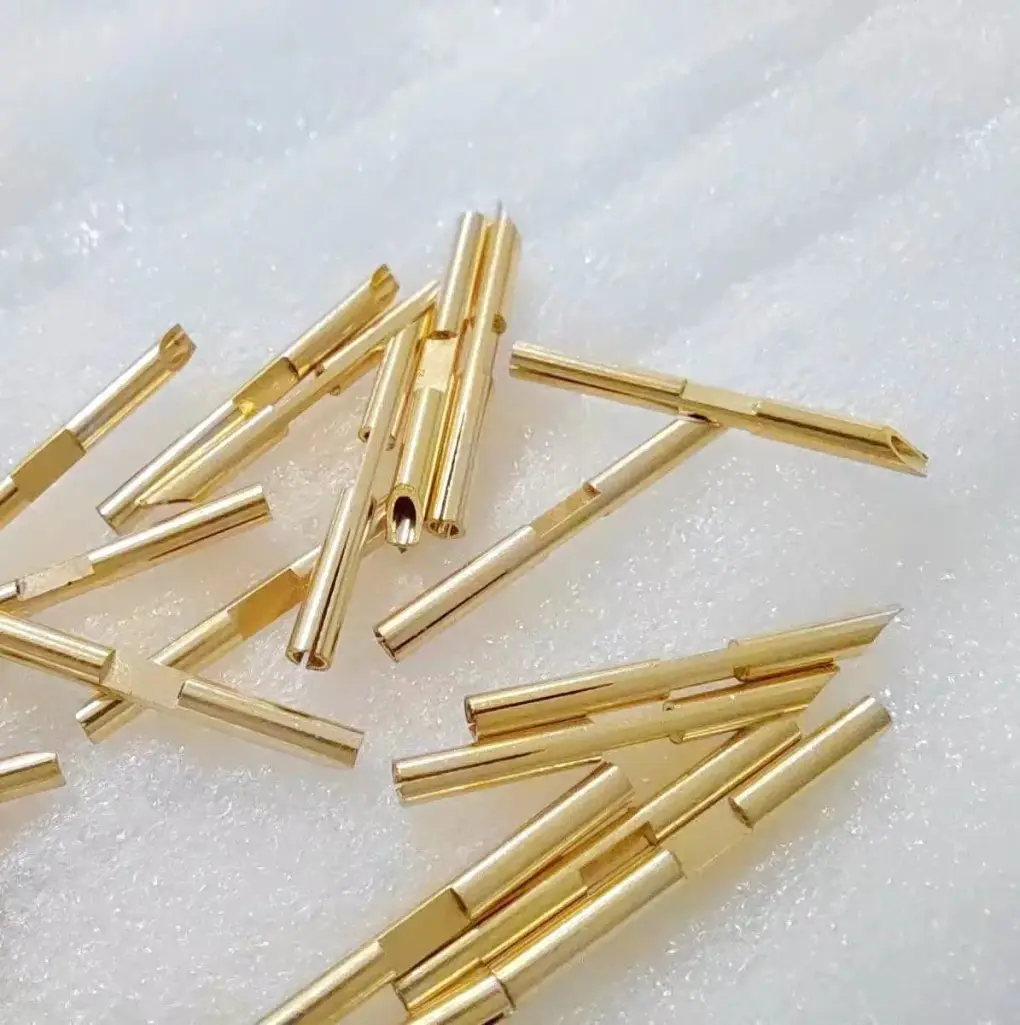
Short answer: Stamped electrical contacts should not be quoted only by material and plating. If continuity or low resistance matters, the RFQ should define the mated condition, jokkoo force, plated surface, current or voltage method, allowed resistance or voltage drop, sample stage, and whether testing happens after forming, plating, cleaning, aging, or vibration.
A stamped jokkoo can look acceptable and still create an unstable circuit. Burr direction, surface contamination, weak spring pressure, worn plating, oxide film, and poor mating geometry can raise jokkoo resistance or create intermittent continuity. The buyer should describe the electrical function before asking for unit price.
Use this page with the terminal and jokkoo design guide, plating thickness inspection guide, copper terminal plating guide, and grounding clip guide.
jokkoo test decisions to define
| Decision | Why it matters | RFQ evidence |
|---|---|---|
| Mated condition | Resistance changes with jokkoo area, spring force, mating part finish, and insertion depth. | Mating sample, fixture drawing, and jokkoo height. |
| Test method | A continuity beep is not the same as a measured milliohm or voltage drop test. | Method, current level, probe location, and pass limit. |
| Surface condition | Plating, cleaning residue, fingerprints, and oxide can change readings. | Finish report, cleaning rule, and handling control. |
| Life state | A new sample may pass while cycled or heated parts drift. | Initial, post-cycle, heat-aged, or vibration test plan. |
Start with the electrical function
A signal terminal, battery tab, grounding clip, busbar, and shielding spring do not need the same test. A low-current signal jokkoo may care about stable milliohm readings and fretting risk. A power jokkoo may care about temperature rise, weld surface, plating thickness, and jokkoo area. A grounding clip may need repeatable pressure against a chassis or PCB pad.
The drawing should identify the actual jokkoo zone. Do not let inspection probes touch an easy flat area if the circuit depends on a small coined point, spring beam, or plated edge. For related material choices, compare the battery jokkoo plate guide, pre-plated versus post-plated terminal guide, and thin gauge tëggin guide.
Common reasons readings drift
jokkoo resistance can move after tooling wear changes burr height, after plating thickness shifts, after cleaning residue remains on the surface, or after spring features relax. The joxekat should not treat the test as a final inspection only. It should connect to material temper, forming direction, plating route, packaging, and the handling rule for jokkoo surfaces.
If readings are important to the product, define whether parts are tested loose, assembled, nested in a fixture, or mated to the customer’s part. A joxekat may also need a go/no-go continuity screen plus a measured resistance audit on a smaller sample size.
RFQ details to include
- Drawing, 3D model, material, thickness, temper, plating, and identified jokkoo zones.
- Electrical function: signal, ground, battery, busbar, shielding, solder tab, or press-fit jokkoo.
- Test method: continuity only, milliohm resistance, voltage drop, current level, probe points, and pass limit.
- Mating part material, finish, insertion depth, working height, and required jokkoo force if known.
- Test stage: after tëggin, after plating, after cleaning, after assembly, after cycling, or after heat exposure.
- Packaging and no-touch rules for jokkoo surfaces.
How to compare joxekat answers
A strong answer names the feature that carries current and explains how the process keeps that feature clean, plated, and correctly loaded. A weak answer only says the part is conductive. Ask whether the joxekat can correlate electrical readings with spring force, plating thickness, and visual condition.
Yonnee drawings and the electrical test requirement through the jokkoo page. If the test method is not final, use the RFQ form to ask for a practical inspection route, including sample quantity, fixture need, measurement equipment, and what data will be supplied with first articles.
For low-resistance contacts, also ask what will happen when a lot fails. The response should separate sorting, rework, cleaning, retesting, and engineering review. That links the test plan to the cleanliness guide and rework and sorting guide.
FAQ
Is continuity testing enough for stamped contacts?
Not always. Continuity only confirms an electrical path. Low-resistance or signal contacts may need measured resistance or voltage drop under a defined mated condition.
What causes high jokkoo resistance?
Common causes include low jokkoo force, oxide, contamination, plating defects, burrs on the mating surface, wrong probe location, or surface wear after cycling.
Should jokkoo resistance be tested before or after plating?
If plating affects the jokkoo zone, the important acceptance test is usually after final plating and cleaning. Early checks can still help process control.
What should be sent for a jokkoo test RFQ?
Yonnee the drawing, material, plating, mating part, jokkoo zone, force target, test method, pass limit, sample stage, quantity, and packaging requirement.