
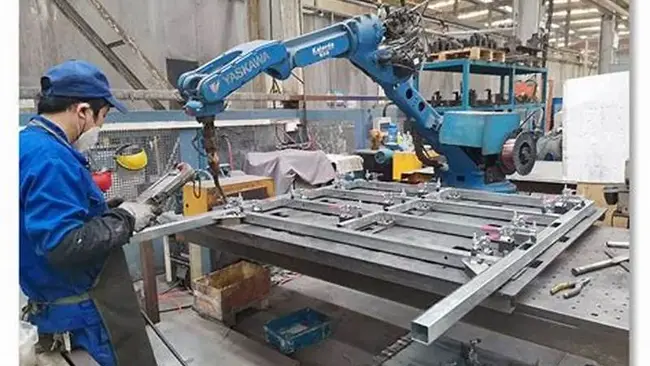
Short answer: Riveted and staked stamped assemblies should be quoted with joint function, not only loose-part drawings. The RFQ should define hole fit, stack height, rivet or stake type, material hardness, coating sequence, fixture datums, joint strength, cosmetic limits, sample quantity, destructive test plan, and whether the joint is permanent, serviceable, or only a locating feature.
Riveting and staking can be practical when a stamped assembly needs a permanent mechanical joint without welding heat or threaded hardware. They can also create loose joints, cracked tabs, coating damage, distorted datums, or poor appearance if the joint function and inspection method are vague.
Use this page with the stamped metal assemblies guide, tab and slot self-fixturing guide, clinching and insertion guide, and inserted hardware torque-out and push-out guide.
Riveted and staked assembly decisions
| Decision | Why it matters | RFQ detail |
|---|---|---|
| Joint function | A locator joint and a load-bearing joint need different evidence. | Permanent, serviceable, structural, cosmetic, or temporary locating function. |
| Hole and stack | Hole fit, stack height, and material hardness control joint quality. | Hole size, burr side, layers, thickness stack, and rivet or stake geometry. |
| Fixture datums | Joining can pull the assembly out of position. | Datums, clamp points, sequence, and final critical dimensions. |
| Test evidence | Visual seating does not prove joint strength. | Pull, shear, torque, peel, rattle, or destructive sample plan. |
Define the joint before choosing the process
A rivet, stake, lance tab, or formed post can hold parts together, locate layers before another operation, carry load, or provide an anti-rattle feature. The best joint depends on service load, appearance, access, material thickness, hardness, and whether the assembly must be taken apart later.
If the feature is only for location before welding, it should be reviewed differently from a final structural joint. If the joint replaces a screw or clinch nut, compare strength and serviceability with the spot welded assembly guide and the welding and assembly guide.
For production quotes, include the expected joining cycle and handling method. A joint that works slowly in a prototype press may need a different fixture, feed method, or poka-yoke check when operators must load multiple layers quickly without reversing parts or trapping burrs between layers.
Control distortion and coating sequence
Mechanical joining pushes material. It can dish a panel, move holes, mark a cosmetic surface, crack a tab, or damage plating and paint. The RFQ should say whether joining happens before or after finishing, whether touch-up is allowed, and which surfaces are cosmetic or functional.
Fixtures matter because the assembly may pass loose-part inspection and fail after joining. Define whether final dimensions are checked after all rivets or stakes are installed. For parts that must seat in another product, connect the plan to the coplanarity guide and the functional gage guide.
RFQ details to include
- Assembly drawing, individual part drawings, BOM, rivet or stake locations, datum scheme, and critical final dimensions.
- Material grades, thicknesses, hardness, coating or plating state, burr direction, and cosmetic surfaces.
- Joint type: solid rivet, semi-tubular rivet, eyelet, formed post, tab stake, lance stake, or custom mechanical lock.
- Hole fit, stack height, access direction, tooling clearance, fixture datums, clamp points, and joining sequence.
- Acceptance tests: visual seating, pull, shear, torque, rattle, destructive section, sample count, and report format.
- Annual volume, prototype samples, fixture ownership, packaging plan, and target බෙදාහැරීමේ කාලය.
How to compare සැපයුම්කරු answers
A strong answer explains how the joint is formed, how the assembly is held, and how strength is verified. A weak answer only says riveting or staking is available. Ask whether fixture cost, destructive samples, and inspection time are included in the quote.
If appearance matters, ask for photos of acceptable marks, cracks, rollover, coating damage, and seated height. If function matters, ask for test evidence that matches the load direction in the final assembly.
Send assembly drawings, joint requirements, material stack, finish sequence, and test needs through the contact page. If the joint method is open, use the RFQ form to compare riveting, staking, clinching, welding, or inserted hardware before tooling is locked.
FAQ
When should a stamped assembly use riveting or staking?
Use them when a permanent mechanical joint is needed and welding heat, threaded hardware, or disassembly is not preferred.
Can staking damage plated or painted මුද්රා තැබූ කොටස්?
Yes. Staking can crack coating, expose metal, or mark cosmetic surfaces, so sequence and acceptance limits should be defined.
Is visual inspection enough for riveted assemblies?
Not always. Functional joints may need pull, shear, torque, rattle, or destructive section checks.
What should be sent for a riveted assembly RFQ?
Send assembly drawings, material stack, joint type, hole fit, finish sequence, fixture datums, strength requirement, sample quantity, and volume.