
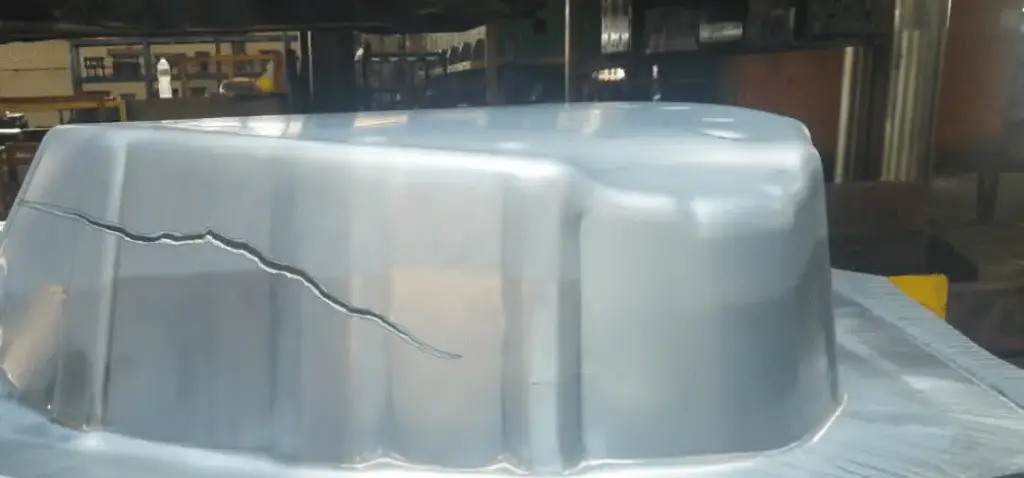
Short answer: A quality escape cost recovery file should connect each claimed expense to a defined stamped-part defect, suspect lot, approved containment action, invoice or labor record, and contract term. Separate sorting, rework, scrap, third-party inspection, premium freight, line stoppage, and replacement production. Do not charge unsupported estimates. Responsibility should be decided from the purchase agreement, approved communications, causation evidence, and actual documented cost.
A quality escape can create legitimate recovery costs, but the claim still needs a disciplined record. The strongest file shows what failed, where the parts went, which action was necessary, who approved it, and how each amount was calculated. It does not turn every business inconvenience into a पुरवठादार charge.
Use this guide after the immediate controls in the containment plan template, the disposition review in the rework and sorting guide, and the long-term response in the corrective action evidence guide.
Build one evidence chain for every cost line
| Evidence layer | What to record | Why it matters |
|---|---|---|
| Defect | Photo, marked drawing feature, requirement, actual result, sample ID, and detection date. | Prevents different teams from pricing different problems. |
| Suspect scope | Part revision, lot, material batch, tool run, shipment, quantity, location, and clean point. | Limits cost to stock reasonably connected to the escape. |
| Disposition | Sort, rework, return, scrap, concession, or replacement, with approver and date. | Shows why the activity was necessary. |
| Actual cost | Rate, hours, pieces, invoice, freight bill, scrap value, tax treatment, and currency. | Separates documented expense from an estimate or penalty. |
| Responsibility | Purchase order, quality agreement, warranty term, approved email, debit note, or credit agreement. | Connects causation to the commercial basis for recovery. |
Define the defect and suspect batch before pricing it
Start with the drawing revision and acceptance requirement. State whether the escape is dimensional, material, plating, cosmetic, mixed-part, missing-feature, packaging, or functional. Include measured values and the inspection method where applicable. The cosmetic and functional defect guide helps prevent a visual concern from being costed as a functional failure without an agreed boundary.
Then map the suspect batch. Record पुरवठादार stock, work in process, in-transit pallets, buyer inventory, line-side stock, and material already used. Tie quantities to labels, packing lists, receipts, and inspection records. If traceability cannot isolate the exposure, explain why the scope was widened rather than silently charging every open lot. Use the lot traceability guide to organize this record.
Separate sorting, rework, and scrap
Do not combine all containment expense under one line called “quality cost.” For sorting, keep the instruction, detection method, location, inspector, hours, rate, quantity checked, accepted quantity, rejected quantity, and report. For rework, add the approved method, process risk, quantity completed, post-rework inspection, and final release. For scrap, identify the pieces destroyed, authorization, scrap or salvage credit, and whether returned material was credited.
A buyer should not claim sorting for quantities that were never checked, rework and scrap for the same pieces, or full part value when recoverable material was retained without credit. The deviation and concession guide is relevant when affected parts are accepted instead of reworked or scrapped.
Document third-party inspection and premium freight
Third-party inspection evidence should include the agreed scope, provider, rate, hours, location, quantity, inspection results, invoice, and any travel or equipment charge. Preserve the instruction issued to the inspection company so the पुरवठादार can see whether the work matched the defect. If the scope changed during sorting, record who approved the change.
For expedited freight, show the original transport plan, normal freight baseline, emergency shipment, reason, weight or quantity, carrier invoice, and incremental amount claimed. Do not automatically charge the entire freight bill if normal freight would have been paid anyway. Allocation can also depend on delivery terms and ownership of transit risk; the Incoterms and freight risk guide provides useful RFQ context.
Prove line stoppage and replacement production
“The line was affected” is not enough. A line-stoppage record should identify the facility, work center, job or order, stop and restart times, missing part number, available stock, personnel affected, units missed, mitigation attempts, and source record. Explain how the hourly cost was built and exclude labor, overhead, or lost output already recovered elsewhere. If production continued at a reduced rate, describe that condition instead of claiming a full stop.
Replacement production should have its own build record: authorized replacement quantity, material, setup, outside processing, inspection, packaging, completion date, shipment, and credits for returned or usable stock. Separate free replacement parts from consequential costs. An emergency make-versus-rework choice can be reviewed with the emergency rework versus remanufacture guide.
Approve cost before it becomes a dispute
Set an approval path when containment starts. Name who can authorize third-party sorting, overtime, premium freight, replacement production, scrap, and customer-site activity. Define spending caps, evidence due dates, currency, taxes, markup rules, and whether a purchase order, debit note, or पुरवठादार credit will close the item. Emergency protection may begin before final liability is agreed, but the communication should clearly distinguish operational approval from acceptance of cost responsibility.
This page is not legal advice. Liability, damages, warranty, setoff, consequential loss, and recovery rights depend on the applicable contract, purchase documents, governing law, and evidence. Buyers and suppliers should not issue or accept unsupported charges merely because a defect occurred.
Handle disputed charges without losing the facts
Keep undisputed and disputed amounts separate. For each disputed line, state the reason: defect attribution, suspect quantity, inspection necessity, rate, duplicated cost, missing approval, contract exclusion, or calculation error. Exchange the source documents, preserve representative parts, and agree a response date. Where measurement or failure cause remains contested, a mutually accepted inspection method or independent technical review may be more useful than repeated commercial emails.
Close each item with an accepted amount, rejected amount, credit number, payment route, and approval owner. Feed repeated escapes, response delays, and unresolved commitments into the पुरवठादार performance scorecard rather than changing future scores from memory.
Prepare an RFQ or पुरवठादार transfer package
For replacement sourcing, provide the controlled 2D or 3D drawing, revision, material grade, thickness, finish, critical features, inspection plan, annual demand, release quantity, replacement quantity, packaging, tooling ownership and condition, sample approval needs, and target transition date. Add defect photos, suspect-lot data, current disposition, approved concessions, and open corrective actions. Cost-recovery records should explain risk; they should not be presented as proof that a new पुरवठादार must meet an unsupported target price or date.
Use the dual-source qualification guide and मेटल स्टॅम्पिंग RFQ checklist to structure the transfer. Submit drawings and the nonconfidential evidence summary through the contact page. For an active replacement-production request, use the RFQ form and identify the required decision date, quantity, inspection evidence, and approval route.
FAQ
What quality escape costs can a buyer recover?
Recoverable costs depend on the contract and evidence. Each sorting, rework, scrap, inspection, freight, line-stop, or replacement charge should be necessary, attributable, approved where required, and documented.
What evidence supports a line-stoppage charge?
Use time-stamped production records, the affected work center and order, available inventory, missing part, personnel impact, mitigation attempts, restart time, and a transparent cost calculation.
Should emergency sorting be approved in advance?
Whenever practical, approve the scope, method, rate, cap, reporting, and owner before work starts. Urgent containment approval should not be treated automatically as final acceptance of liability.
What should a पुरवठादार receive when a charge is disputed?
Provide an itemized ledger, defect and lot evidence, approvals, inspection reports, invoices, calculation method, credits, contract reference, disputed reason, and a deadline for technical and commercial response.