
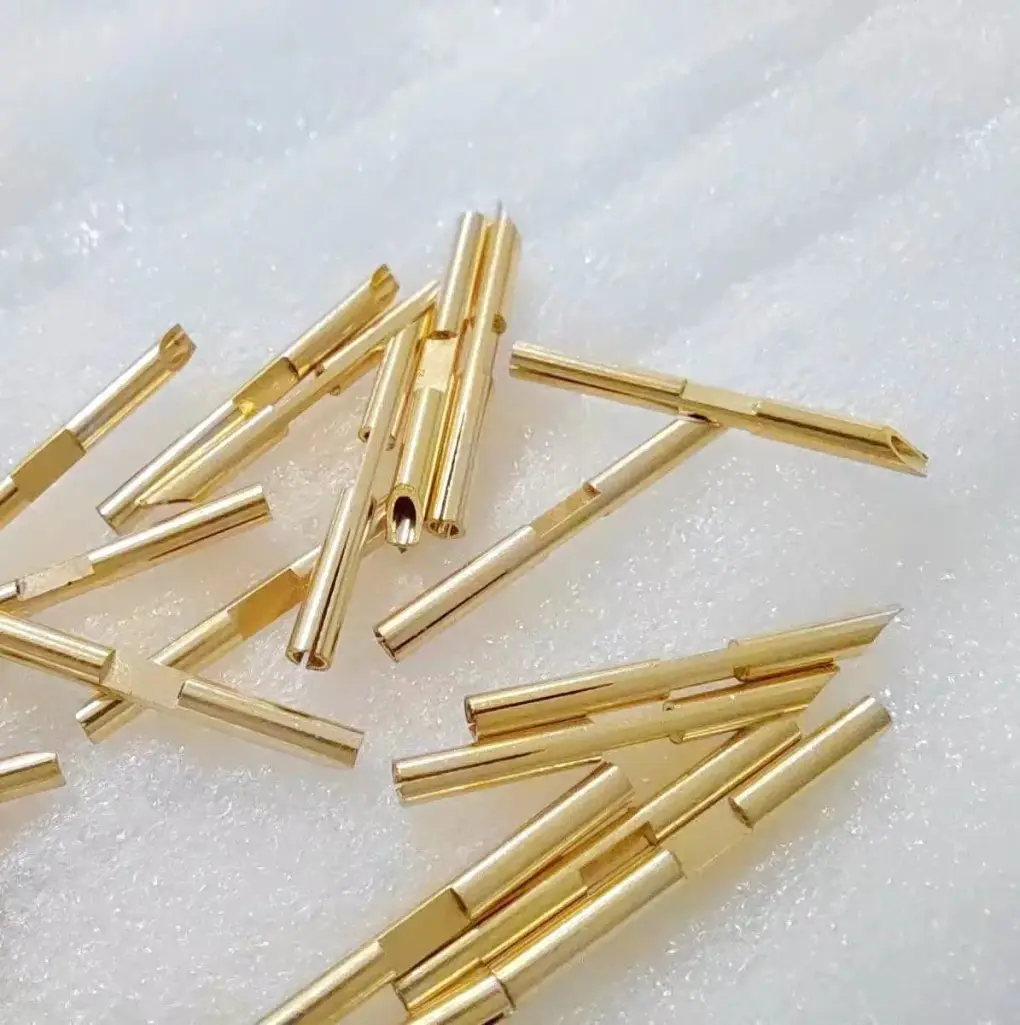
Short answer: Packaging drop and transit validation should be discussed when स्टॅम्प केलेले भाग can bend, scratch, corrode, mix, lose orientation, or arrive with damaged labels. The RFQ should define part fragility, surface risk, carton weight, tray or divider design, vibration or drop checks, humidity protection, photos, labels, and acceptance evidence before production shipments start.
A stamped part can pass final inspection and still fail at the buyer because packaging did not protect it through real handling. Thin shields, spring clips, plated terminals, cosmetic covers, busbars, and small loose parts all have different damage paths. Packaging validation makes those risks visible before the first shipment is urgent.
Use this page with the packaging and shipping guide, export packaging checklist, packaging damage claim prevention guide, and thin shield tray packaging guide.
Packaging validation details before shipment
| Risk | Why it matters | RFQ evidence |
|---|---|---|
| Drop handling | Cartons may be dropped during parcel, warehouse, or line-side movement. | Drop height, carton weight, orientation, photos, and post-drop inspection. |
| Vibration | Loose parts can rub, nest, bend, or create plating debris. | Transit route, tray design, divider, bag count, and vibration check. |
| Stacking | Carton compression can bend parts or crush trays. | Pallet pattern, stack height, carton strength, and compression rule. |
| Humidity | Long transit can create corrosion, stains, or paper transfer. | VCI, desiccant, sealed bag, clean pack, and inspection after aging. |
Match validation to the real damage path
Not every stamped part needs a formal lab package test. The buyer should first define the likely failure: bent tabs, scratched contact surfaces, mixed orientation, crushed trays, moisture stains, missing labels, wrong quantity, or parts rubbing through bags. The validation can then be scaled to the risk and shipping route.
Parcel shipments, pallet shipments, ocean freight, air freight, and internal line-side movement do not stress packaging the same way. A carton that works for a short domestic truck move may fail after export handling, customs inspection, humidity, or multiple warehouse transfers. For corrosion-sensitive parts, connect the plan to the pre-plated cut-edge corrosion guide and define moisture controls.
Inspect parts after the packaging check, not only the carton
A carton can look acceptable after a drop while the parts inside are bent, scratched, nested, or out of orientation. Validation should inspect the part condition after the packaging event. For thin parts, check flatness, formed height, contact points, cosmetic faces, and whether trays hold the intended position.
Labels and traceability matter too. If a carton label is damaged, missing, or separated from the correct lot, receiving may hold good parts. Include part number, revision, lot ID, quantity, PO, barcode, country of origin when needed, and any customer label format. Pair this with the lot traceability guide when containment speed matters.
RFQ details to include
- Part drawing, fragile features, cosmetic surfaces, contact surfaces, burr-sensitive edges, cleanliness needs, and corrosion risk.
- Packaging concept: bulk bag, counted bag, tube, reel, tray, divider, foam, paper, VCI bag, carton, pallet, or returnable pack.
- Shipping route, carton quantity, carton weight, pallet stack height, parcel or freight method, export time, and warehouse handling risk.
- Validation request: drop orientation, vibration check, compression check, humidity exposure, label scan, photo record, and post-test inspection features.
- Acceptance rule after transit: no bent tabs, no visible scratches in defined zones, no corrosion, no mixed parts, no label loss, and no quantity mismatch.
- Prototype pack quantity, pilot shipment, annual volume, shipment cadence, and whether buyer approval is needed before production shipment.
How to compare पुरवठादार answers
A strong answer explains how the packaging protects the actual risk, not just what carton will be used. It should discuss part orientation, separation, label durability, moisture control, and what is inspected after the test. A weak answer only says export carton.
Ask for photos of the packed layer, closed carton, pallet, label, and parts after the handling check. If damage occurs, the पुरवठादार should adjust tray spacing, bag count, divider material, carton strength, or pallet pattern before production shipments begin.
Send drawings, damage history, shipment route, carton limits, and packaging expectations through the contact page. Use the RFQ form to request packaging validation when transit damage could stop assembly or create incoming sorting.
FAQ
Do all स्टॅम्प केलेले भाग need packaging drop testing?
No. Use validation when parts are fragile, plated, cosmetic, thin, orientation-sensitive, corrosion-sensitive, or shipped through rough handling routes.
What should be inspected after a packaging test?
Inspect part shape, critical features, scratches, corrosion, orientation, quantity, labels, carton damage, and whether the packaging can still be handled safely.
Can bulk packing be validated for स्टॅम्प केलेले भाग?
Yes for durable low-risk parts, but parts with tabs, spring features, plating, or visible faces often need separation or trays.
What should be sent for packaging validation?
Send drawings, fragile zones, surface requirements, shipment route, carton limits, label needs, sample quantity, damage history, and acceptance criteria.