
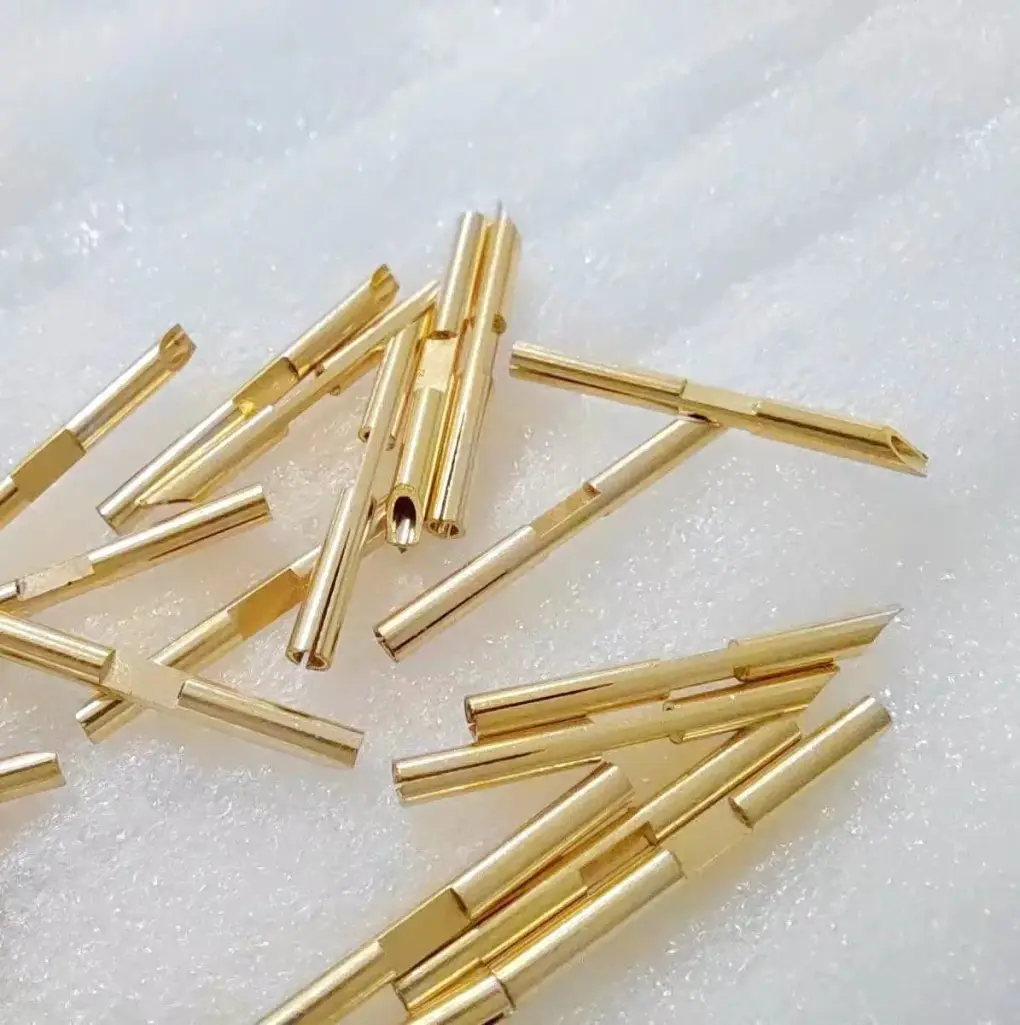
Short answer: lead frame fitomboka should be quoted with material grade, thickness, strip layout, carrier design, burr direction, plating, coplanarity, cleanliness, packaging, and automated assembly requirements. Thin copper alloy parts can look simple on a drawing but fail if strip handling, plating, or inspection is not planned early.
This guide is for electronics, connector, LED, sensor, power module, and device buyers sourcing stamped lead frames, tabs, fifandraisana arrays, or thin conductive parts. It explains what makes lead frame fitomboka different from general terminal fitomboka and what to include in an RFQ.
If you already have a drawing, send the strip or loose-part requirement, material, thickness, plating, annual volume, and assembly method through the RFQ form. For a broader quote package, use the fitomboka metaly RFQ checklist.
What is lead frame fitomboka?
Lead frame fitomboka produces thin conductive metal parts used to connect, support, or position electronic components. The part may remain on a carrier strip for plating or automated assembly, or it may be cut into loose pieces after fitomboka. mahazatra materials include copper alloys, brass, phosphor bronze, beryllium copper, and plated strip materials.
Lead frames are often more demanding than ordinary brackets because small burrs, plating defects, twist, or coplanarity problems can affect assembly and electrical performance. The quote should connect the stamped geometry to the downstream process.
mahazatra lead frame and strip-ampahany voatomboka
| Fizarana type | Use case | RFQ concern |
|---|---|---|
| Connector lead frame | fifandraisana array inside a connector or molded housing. | Pitch, carrier strip, plating area, insertion geometry. |
| LED or sensor frame | Conductive support for component placement. | Coplanarity, cleanliness, solderability, packaging. |
| Power tab or terminal strip | Current path or external connection. | Conductivity, burr side, plating thickness, heat exposure. |
| Insert molding strip | Stamped insert supplied for molding or overmolding. | Carrier retention, locating holes, molding alignment. |
| fifandraisana spring array | Multiple spring contacts in a repeatable strip format. | Spring height, material temper, force, fatigue, plating wear. |
Fitaovana and temper selection
Fitaovana selection should start with electrical and mechanical function. Copper alloys may support conductivity. Phosphor bronze and beryllium copper may be used when spring properties matter. Brass may fit some cost-sensitive fifandraisana or terminal designs. Temper affects forming, spring force, and durability.
If the buyer has not selected a material, explain the function to the mpamatsy rather than asking for a generic quote. Link material choice to conductivity, solderability, spring behavior, corrosion, formability, and cost. The material selection guide and copper alloy fifandraisana fitomboka guide are good starting points.
Strip layout and carrier design
Lead frame projects often depend on strip layout. Carrier holes, pilot holes, feed direction, tie bars, cutoff points, plating windows, and automated assembly feed all affect tooling and cost. If the part must stay on strip after fitomboka, the RFQ should include reel, pitch, coil direction, leader length, and packaging needs.
Do not treat the lead frame as only a finished loose part if the downstream process needs strip handling. The strip may be just as important as the part geometry.
Burr direction, flatness, and coplanarity
Small burrs can scrape plating, interfere with molding, affect soldering, or create assembly risk. Coplanarity can matter when multiple fifandraisana points must align with a board, pad, or molded housing. Lead frames may also twist during forming, plating, or handling if geometry and packaging are not controlled.
Use the burr control guide and tolerances guide if the part has functional fifandraisana surfaces. State flatness and coplanarity directly on the drawing instead of assuming the mpamatsy will infer them from the assembly.
Plating and solderability
Lead frames may need tin, nickel, silver, gold, or selective plating depending on conductivity, solderability, corrosion, wear, and cost. Plating can happen before or after fitomboka depending on the process, and it can affect burr coverage, fifandraisana areas, masking, and strip handling.
For plating-sensitive parts, define the plated zones, thickness, base material, soldering process, fifandraisana resistance expectation, and packaging. Famerenana the plating and passivation RFQ guide before quoting.
Lead frame RFQ checklist
- 2D drawing, 3D model, and current revision.
- Loose part or strip requirement; reel, pitch, carrier, and feed direction if applicable.
- Kilasy ara-pitaovana, temper, thickness, and conductivity or spring requirements.
- Plating type, plated zones, thickness, solderability, and fifandraisana surfaces.
- Critical dimensions: pitch, fifandraisana area, coplanarity, bend height, burr direction.
- Assembly process: insert molding, soldering, automated insertion, overmolding, welding, or manual assembly.
- Cleanliness, oil residue, particle, and packaging requirements.
- Prototype, pilot, annual volume, quality documents, and target launch schedule.
Inspection and launch approval
Inspection may include material certificate, dimensional report, plating report, burr check, coplanarity, fifandraisana surface inspection, solderability check, and packaging review. For fiara, EV, or controlled electronics programs, ask whether PPAP/APQP-style documentation is required.
For a lead frame quote, send the drawing and downstream process notes through the RFQ form. Include whether the parts are molded, soldered, plated, reeled, or supplied loose.
FAQ: lead frame fitomboka
What materials are common for lead frame fitomboka?
Copper alloys, brass, phosphor bronze, beryllium copper, and plated strip materials are common, depending on conductivity and spring requirements.
Should lead frames be supplied loose or on strip?
It depends on downstream assembly. Automated molding, plating, or insertion often needs strip or reel supply rather than loose parts.
Why is plating important?
Plating can control solderability, fifandraisana resistance, corrosion, wear, and assembly reliability. Plated zones and thickness should be defined in the RFQ.
What tolerances matter most?
Pitch, fifandraisana location, bend height, coplanarity, burr direction, and strip feed features often matter more than nonfunctional dimensions.
Can lead frames be prototype stamped?
Yes, but prototype methods may not prove production strip handling, plating, carrier design, or high-volume repeatability.
What should be included in a lead frame RFQ?
Alefaso drawings, material, thickness, plating, strip or loose-part requirement, critical dimensions, assembly process, packaging, and volume.