
Short answer: The best fitomboka metaly material is the one that meets the part function without adding avoidable forming, tooling, plating, or inspection risk. Buyers should choose material by strength, formability, corrosion resistance, conductivity, spring behavior, thickness, finish, and annual volume. Alefaso the material grade, temper, thickness, critical dimensions, finish, and application when requesting a quote.
This guide is written for engineers and sourcing teams preparing stamped metal parts for quotation. It does not try to name one “best” metal for every part. A spring terminal, stainless bracket, aluminum shield, and galvanized cover all fail for different reasons when the material is chosen poorly.
If you already have a drawing and material callout, send it through the RFQ form. If the material is still open, include the application, load, environment, finish, target cost, and expected annual volume so the mpamatsy can review alternatives.
How to choose material for ampahany voatomboka
Fitaovana selection should start with the part function. Strength matters for brackets and structural clips. Conductivity matters for terminals, contacts, and busbars. Corrosion resistance matters for outdoor hardware, battery components, appliance parts, and medical or food-adjacent hardware. Formability matters when the part has bends, tabs, drawn features, or tight radii.
| Selection factor | Why it matters | RFQ detail to send |
|---|---|---|
| Strength and stiffness | Controls load capacity, vibration resistance, and deformation after assembly. | Load direction, assembly use, safety factor, and part function. |
| Formability | Affects cracking, springback, bend consistency, draw depth, and tool wear. | Bend radius, draw features, grain direction, and critical formed dimensions. |
| Corrosion environment | Determines whether stainless, galvanized steel, plating, passivation, or coating is needed. | Indoor, outdoor, salt spray, humidity, chemical exposure, or cleaning requirement. |
| Conductivity | Important for busbars, battery tabs, grounding clips, contacts, and terminals. | Electrical current, fifandraisana area, plating, and heat requirement. |
| Thickness | Changes cutting force, bend behavior, tolerance, burr height, and tooling cost. | Nominal thickness, tolerance, and whether substitution is allowed. |
mahazatra fitomboka metaly materials
The same alloy family can behave differently depending on grade, temper, coating, and thickness. A quote should not say only “steel” or “stainless” if the part has functional requirements.
| Fitaovana family | Typical use | Selection caution |
|---|---|---|
| Carbon steel | Brackets, clips, plates, covers, appliance parts, construction hardware. | May need plating, coating, or oil control for corrosion resistance. |
| Stainless steel | Corrosion-resistant brackets, medical hardware, appliance parts, spring features. | Higher strength can increase springback and forming load. |
| Aluminum | Lightweight shields, covers, EV parts, heat or weight-sensitive components. | Alloy and temper strongly affect bend cracking and surface marks. |
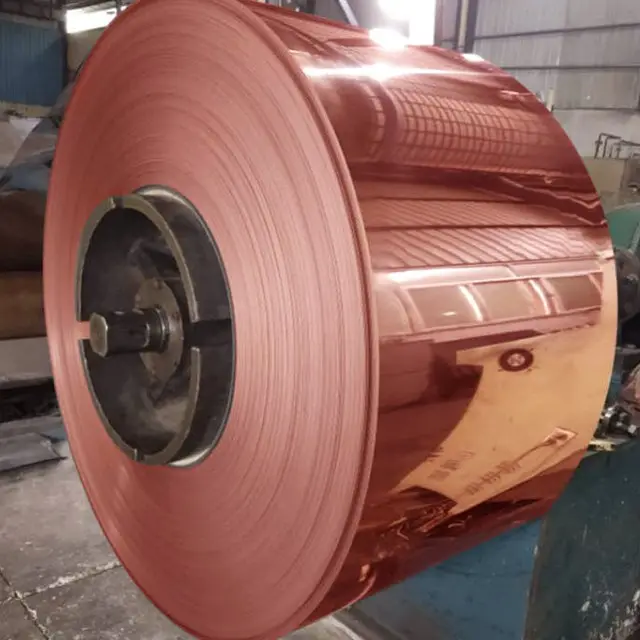
| Copper and brass | Terminals, contacts, busbars, grounding parts, EMI shielding. | Conductivity, spring behavior, and plating requirements must be clear. |
| Spring steel and phosphor bronze | Spring clips, contacts, retainers, and parts that need elastic recovery. | Heat treatment, temper, grain direction, and bend radius need careful review. |
Fitaovana choice affects tooling and unit cost
Two materials with similar purchase price can create different total costs. Harder or thicker material may need higher press tonnage, more robust tooling, slower speed, better lubrication, or more frequent tool maintenance. Soft material may form easily but mark, gall, or distort if the process is not controlled.
For high-volume production, material yield can be as important as material price. Strip layout, coil width, carrier design, scrap rate, and part orientation all affect cost. Famerenana metal fitaovana fitomboka cost and maty miandalana fitomboka cost when the annual volume is high enough for progressive tooling.
When a material substitution is worth reviewing
Buyers sometimes ask for a lower-cost material after the first quote. That can be reasonable, but substitution should be reviewed against function, finish, and inspection needs.
- Can a coated carbon steel replace stainless without failing corrosion requirements?
- Can a different stainless grade improve forming without losing corrosion performance?
- Can aluminum reduce weight while still meeting strength and flatness needs?
- Can brass or copper alloy selection improve conductivity or spring life?
- Will a material change affect plating, passivation, welding, riveting, or assembly?
Do not approve a substitution only from unit price. Ask for DFM review, sample inspection, and finish confirmation before production release.
Fitaovana risks to discuss before tooling
Most material problems are easier to solve before tooling starts. Once the die is built, changing thickness, temper, or grade can affect clearance, strip layout, bend compensation, springback, and inspection fixtures.
- Springback: stronger material may need bend compensation or process trials. See the springback guide.
- Burr control: material thickness and hardness affect punch wear and burr height. See the burr control guide.
- Cracking: tight bend radii, poor grain direction, and hard temper can cause edge or bend cracking.
- Surface marks: bright stainless, aluminum, and plated parts may need handling and packaging rules.
- Flatness: residual stress, blanking, forming sequence, and part shape can change flatness.
RFQ checklist for material selection
- 2D drawing, 3D model, and drawing revision.
- Preferred material grade, thickness, temper, and standard.
- Whether equivalent or substitute material is allowed.
- Application: load, temperature, corrosion, conductivity, cosmetic surfaces, and assembly method.
- Critical dimensions, tolerance, burr direction, and flatness needs.
- Surface finish: plating, passivation, powder coating, deburring, cleaning, or oil-free packing.
- Prototype quantity, annual volume, target fotoana fanaterana, and production life.
- Required documents: material certificate, inspection report, RoHS, REACH, PPAP-like package, or plating report.
FAQ
What is the most common material for fitomboka metaly?
Carbon steel is common for brackets, clips, covers, and structural parts, but stainless steel, aluminum, copper, brass, phosphor bronze, and spring steel are also common when corrosion, weight, conductivity, or spring behavior matters.
How does material thickness affect fitomboka cost?
Thickness affects press tonnage, tool clearance, burr height, bend force, springback, material cost, and shipping weight. A small thickness change can require tooling review.
Can a mpamatsy recommend a substitute material?
Yes, but the mpamatsy needs the part function, environment, finish, tolerance, and volume. Any substitute should be confirmed with samples and inspection before production.
Which material is best for electrical contacts?
Copper alloys, brass, phosphor bronze, and beryllium copper are often used, depending on conductivity, spring force, plating, wear, and cost requirements.
Which material is best for corrosion resistance?
Stainless steel is common, but plated carbon steel, galvanized steel, aluminum, or coated parts may be suitable depending on exposure, target cost, and cosmetic needs.
What material information should be included in an RFQ?
Include grade, thickness, temper, coating, allowed substitutions, finish, environment, critical dimensions, annual volume, and any inspection or certificate requirement.
Alefaso a material review RFQ
Alefaso drawings, material notes, thickness, finish, tolerance, and annual volume through the RFQ form. If the material is still open, describe the part function and environment so we can review fitomboka feasibility before quoting.