
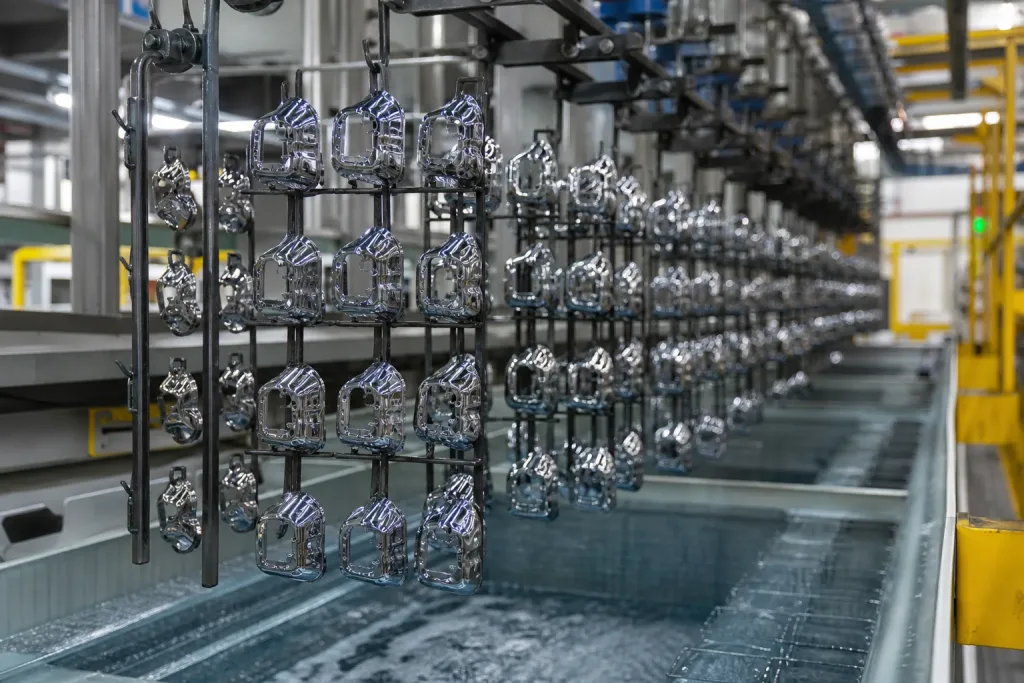
Short answer: Stamped part cosmetic inspection should define the visible surfaces, finish specification, acceptable scratch or dent limits, tool mark expectations, lighting method, viewing distance, acceptance samples, and packaging rules. Without those details, one mai samarwa may quote normal industrial finish while the buyer expects a visible consumer-grade surface.
Surface finish problems are often not caused by bugawa alone. Scratches can come from coil handling, tool tuntuɓa, tumbling, plating, cleaning, packing, or shipping. Dents may appear when thin parts are stacked loosely. Stains can come from oil, water, fingerprints, passivation, plating chemistry, or long storage. A drawing that only says “no scratches” does not give enough control.
This page is for buyers of brackets, clips, shields, nameplates, terminals, covers, and visible sassan da aka buga. Use it with the bugawa defects troubleshooting guide, the plating and passivation RFQ guide, and the packaging and shipping guide.
Cosmetic inspection items to define
| Inspection item | Why it matters | What to specify |
|---|---|---|
| Visible zones | Not every surface needs the same cosmetic standard. | Mark A/B/C zones, hidden faces, and mating or tuntuɓa surfaces on the drawing. |
| Defect limits | Scratch, dent, stain, pit, burr, and tool mark limits are interpreted differently. | State max size, count, location, depth, color contrast, and reject examples. |
| Lighting method | Some marks appear only under strong light or at a low angle. | Define viewing distance, light level, angle, and inspection time if critical. |
| Finish stack | Plating, passivation, brushing, polishing, or coating changes appearance risk. | Provide finish spec, color range, gloss expectation, and approved sample. |
| Packaging | Good parts can become cosmetic rejects during packing or export shipping. | Define bags, trays, dividers, interleaving, carton weight, and surface protection. |
Separate functional and cosmetic surfaces
A tuntuɓa surface, sealing face, spring beam, or locating area may have a functional limit that is stricter than the visible cosmetic limit. A hidden surface may allow normal tool marks if it does not affect assembly. When everything is marked as critical, the quote becomes more expensive and harder to control. When nothing is marked, the mai samarwa has to guess.
For stamped terminals or spring contacts, connect cosmetic review with the terminal and tuntuɓa bugawa design guide. For nameplates and labels, review the stamped nameplates and tags guide because visible surface control, print alignment, and handling marks may drive the process.
Use samples before production if appearance matters
Written standards help, but approved samples are often the clearest way to control appearance. Keep a signed limit sample for acceptable tool marks, edge condition, color range, and minor surface variation. If a buyer rejects a surface later, both sides can compare the lot against the same reference instead of arguing from memory.
For new tooling, include cosmetic review in sample approval. The tooling tryout and sample approval guide explains how to connect samples, inspection records, and production release. If cosmetic defects appear after a change, use the engineering change control guide to confirm whether the finish requirement changed with the revision.
gama gari causes of cosmetic rejects
Scratches often come from coil handling, feed marks, part ejection, bulk bins, tumbling media, or loose bags. Dents often come from stacking thin parts, heavy cartons, or poor dividers. Stains can come from cutting oil, water residue, plating residue, fingerprints, or corrosion. Color variation may come from different material lots, plating lots, passivation conditions, or coating thickness.
If the complaint is found at receiving inspection, document it using the incoming inspection checklist. If the mai samarwa needs to respond formally, the mai samarwa corrective action guide gives a practical evidence structure.
Cosmetic inspection checklist for RFQ
- Drawing revision, marked visible zones, and hidden or non-cosmetic faces.
- Material, finish, plating, passivation, coating, or brushing requirement.
- Accepted and rejected sample photos, if available.
- Scratch, dent, pit, stain, discoloration, tool mark, and burr limits.
- Lighting, viewing distance, viewing angle, and inspection time for critical surfaces.
- Handling rules for gloves, trays, separators, clean bags, or protected surfaces.
- Packaging method, carton quantity, export protection, and label requirement.
- Report requirement for first lot, retained samples, or buyer approval.
Quote impact of cosmetic requirements
Cosmetic requirements can change material handling, press speed, secondary finishing, inspection time, packaging cost, and scrap allowance. That does not mean buyers should avoid appearance standards. It means the standard should be written clearly so each mai samarwa prices the same work.
For quote comparison, use the quote assumptions checklist and make cosmetic requirements explicit. If parts will be exported or stored for a long time, connect appearance control with the export packaging checklist.
Need a cosmetic standard reviewed before quoting? Aika the drawing, finish spec, photos, sample standard, and packing requirement through the tuntuɓa page. For a new quote or second-source review, use the RFQ form and mark which surfaces are visible to the end user.
FAQ: cosmetic inspection for sassan da aka buga
What should a cosmetic standard for sassan da aka buga include?
It should define visible zones, defect limits, finish requirements, lighting method, viewing distance, acceptance samples, handling rules, and packaging method.
Are tool marks always defects on sassan da aka buga?
No. Some tool marks are normal on non-visible surfaces, but visible or functional areas may need stricter limits defined by drawing notes or samples.
Why do cosmetic defects appear after shipping?
Loose packing, heavy cartons, moisture, part-to-part rubbing, poor dividers, or missing surface protection can damage parts that left production acceptable.
Do cosmetic requirements affect bugun karfe cost?
Yes. They can affect material handling, press speed, secondary finishing, inspection time, packaging, and scrap allowance, so they should be stated before quoting.