
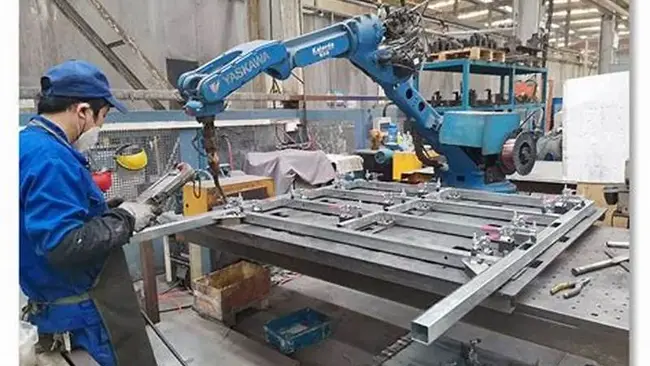
Short answer: A metal stamping production readiness review checks whether the supplier can move from approved samples to repeat shipments without uncontrolled risk. Buyers should confirm drawing revision, tooling condition, material supply, inspection plan, capacity, packaging, document pack, change control, and launch containment before the first production release.
Approved samples do not automatically mean the supplier is ready for production. The launch can still fail if material is not reserved, tooling maintenance is unclear, inspection frequency is weak, packaging is untested, or the drawing revision is not controlled.
Use this review with the run-at-rate capacity guide, golden and limit sample guide, first-off last-off guide, and supplier onboarding checklist.
Production readiness review areas
| Item | Why it matters | RFQ detail to confirm |
|---|---|---|
| Engineering baseline | Prevents launch against stale requirements. | Drawing revision, 3D model, deviations, sample approval, and customer standards. |
| Tooling and process | Shows the route is stable enough for repeat lots. | Die condition, sensors, press setup, maintenance, spares, and setup records. |
| Quality and release | Controls escapes during the first production runs. | Inspection plan, first-off checks, limit samples, certificates, and release owner. |
| Supply and shipment | Checks whether good parts can arrive correctly. | Material supply, capacity, packaging, labels, freight plan, and document pack. |
Review the baseline before releasing orders
Confirm that the supplier, buyer, and receiving team are using the same drawing revision, 3D model, part number, finish standard, critical features, and open deviation list. Do this before the first production PO is released.
If the quote changed during samples, compare the final production file with the quote revision history guide so old assumptions are not carried into launch.
A short baseline meeting can prevent expensive launch confusion. Ask the supplier to name the exact file package they will build from, then compare that answer with the buyer’s approved record.
Check whether tooling is production-ready
Ask whether the die has completed tryout, corrections, sensor checks, strip feed verification, spare punch review, and maintenance planning. A tool that can make samples may still need work before stable repeat lots.
If capacity matters, request a run-at-rate plan that shows press, operator, inspection, packaging, and material flow under realistic conditions rather than a short sample run.
For critical parts, ask what stops the press, who approves restart, and how first-off data is recorded after adjustment.
Lock the inspection and release method
The first production run should have clear first-off checks, in-process inspection, last-off checks, sample retention, nonconforming material rules, and release authority.
If special features are difficult to measure, connect the launch plan with the critical dimensions inspection plan and vision inspection criteria guide.
Confirm material and finish readiness
Material availability can become the launch constraint. Ask whether coil or sheet stock is reserved, whether substitution is allowed, how material certificates are retained, and how finish lead time affects the first shipment.
For plated, passivated, or coated parts, define when certificates are required and whether finish thickness, appearance, corrosion, or solderability evidence is part of release.
Test packaging and document flow before the dock date
Packaging should be reviewed before production parts are packed. Ask for sample cartons, labels, pallet plan, receiving barcode, anti-rust method, and document pack so the first shipment does not fail at the warehouse.
Use the packaging shipment evidence checklist and packing list and COA guide for dock-ready release rules.
RFQ details to include
For a readiness review, send drawing revision, approved sample status, target launch date, first order quantity, annual volume, inspection evidence, packaging rules, document needs, and any customer launch form.
Send launch requirements through the contact page. Use the RFQ form to request a production readiness review before regular orders start.
Buyer file to keep with the quote
Keep this metal stamping production readiness review checklist with the drawing revision, quote number, sample approval, supplier assumptions, open risks, and release owner. That record helps future reorders, audits, corrective actions, and supplier changes stay consistent.
FAQ
When should a production readiness review happen?
Run the review after samples are technically approved but before regular production orders, especially when tooling, inspection, packaging, or capacity risk is still open.
Is sample approval the same as production readiness?
No. Sample approval proves the submitted parts met requirements. Readiness checks whether the supplier can repeat the process through normal production and shipment.
What launch evidence should buyers request?
Request drawing control, tooling status, material plan, inspection method, first-off checks, packaging evidence, document pack, and capacity plan.
Who should join the review?
Include purchasing, quality, engineering, supplier quality, receiving or logistics when packaging and labels matter, and the supplier contacts who control tooling and inspection.
{"@context":"https://schema.org","@type":"FAQPage","mainEntity":[{"@type":"Question","name":"When should a production readiness review happen?","acceptedAnswer":{"@type":"Answer","text":"Run the review after samples are technically approved but before regular production orders, especially when tooling, inspection, packaging, or capacity risk is still open."}},{"@type":"Question","name":"Is sample approval the same as production readiness?","acceptedAnswer":{"@type":"Answer","text":"No. Sample approval proves the submitted parts met requirements. Readiness checks whether the supplier can repeat the process through normal production and shipment."}},{"@type":"Question","name":"What launch evidence should buyers request?","acceptedAnswer":{"@type":"Answer","text":"Request drawing control, tooling status, material plan, inspection method, first-off checks, packaging evidence, document pack, and capacity plan."}},{"@type":"Question","name":"Who should join the review?","acceptedAnswer":{"@type":"Answer","text":"Include purchasing, quality, engineering, supplier quality, receiving or logistics when packaging and labels matter, and the supplier contacts who control tooling and inspection."}}]}