
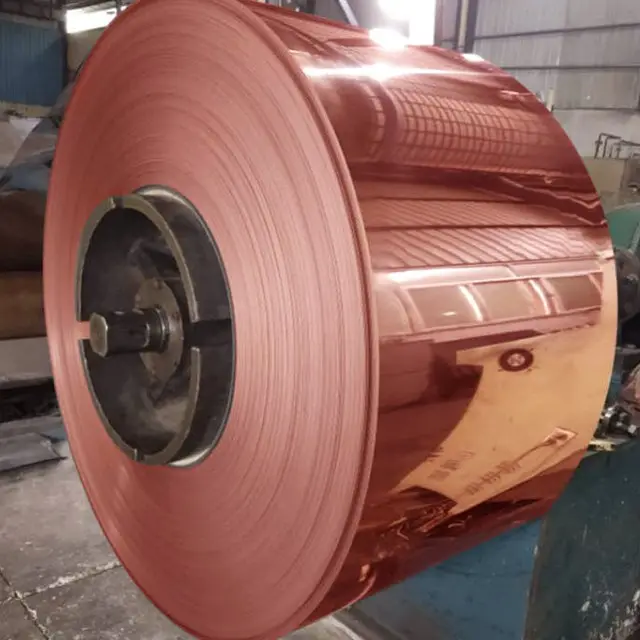
Short answer: Material price escalation clauses define how a stamped part price changes when steel, stainless, aluminum, copper, brass, plating metals, or freight costs move. The buyer should agree on quote validity, index reference, adjustment timing, material yield, and what proof is needed before a surcharge is accepted.
Stamped part quotes often include material as the largest cost driver. A price that is fair today may be wrong Indiki quarter if copper, stainless steel, aluminum, nickel, zinc, or coating costs move sharply. Without an escalation rule, the buyer and ü üpjün ediji may argue over every release.
Use this page with the material selection guide, landed cost guide, quote assumptions checklist, and coil yield guide.
Escalation terms to define
| Term | Why it matters | What to request |
|---|---|---|
| Sitata validity | A 30-day quote and a 12-month quote carry different risk. | Ask how long material and unit pricing are valid. |
| Index or reference | Vague metal surcharge language is hard to audit. | Name the index, service center quote, or documented ü üpjün ediji invoice basis. |
| Adjustment frequency | Monthly, quarterly, and release-by-release changes affect budgets. | Define when price can move and whether decreases are passed through. |
| Material yield | A surcharge should reflect net usage, not only gross coil price. | Confirm scrap factor, strip layout assumptions, and resale credit if relevant. |
Umumy surcharge drivers
Copper terminals, brass contacts, stainless clips, aluminum brackets, galvanized steel covers, and plated parts all carry different exposure. A copper-heavy terminal may need a metal index adjustment. A painted steel bracket may be more affected by coating availability and minimum coil order. A plated habarlaşmak may include nickel, tin, or gold cost changes.
The quote should separate base material, coating or plating, freight, packaging, and tooling. If those items are mixed together, later price changes become harder to verify. For plating-specific risk, review the plating RFQ guide and copper terminal plating guide.
Lock-in versus pass-through
A buyer may ask for fixed pricing for a quarter, a blanket order, or a full year. The ü üpjün ediji may agree if material is purchased up front or if the volume is stable. If demand is uncertain, a pass-through clause may be more realistic than forcing a fixed price that includes a large risk premium.
If the ü üpjün ediji buys material for a blanket order, define what happens when releases are delayed. The material may be physically reserved, but the buyer still needs rules for cancellation, obsolete stock, and price adjustment if the program changes. Tie this back to the MOQ and blanket order guide once that page is live.
RFQ details to include
- Material derejesi, thickness, temper, coating, plating, and approved alternates.
- Annual volume, release quantity, blanket order plan, and quote validity requirement.
- Whether price should be fixed, indexed, or reviewed at defined intervals.
- Reference index, surcharge formula, material yield, and scrap credit assumption.
- Freight, packaging, tariff, and currency assumptions if they affect the landed price.
- Required proof before a surcharge is accepted, such as ü üpjün ediji invoice or index snapshot.
- Rules for price decreases, not only price increases.
How to keep the clause practical
Do not make the escalation formula more precise than the purchasing process can support. A useful clause should be auditable, but it should not require a negotiation for every shipment. Define threshold bands, review dates, and the person responsible for approving changes.
Iberiň material specifications, annual demand, and target pricing rules through the habarlaşmak page. If you are comparing suppliers with different material assumptions, use the RFQ form to ask for a base price and a clear surcharge method side by side.
For long-running parts, keep the escalation rule connected to drawing revision control. A new material grade, coating change, or strip layout change can change the material basis more than the market index. When that happens, treat it as a quote revision rather than forcing the old surcharge formula to explain a different part.
A useful ü üpjün ediji answer should also identify what is not covered by the clause. Tool rework, expedited freight, special packaging, revalidation samples, and customer-driven material changes are usually separate commercial issues. Listing those exclusions early prevents the surcharge clause from becoming a catch-all after the first purchase order.
FAQ
What is a material price escalation clause?
It is an agreement that explains how the stamped part price can change when material, coating, plating, freight, or related input costs change.
Should decreases be included in the clause?
Yes. A balanced clause should explain how both increases and decreases are calculated and when they take effect.
What materials often need surcharge review?
Copper, brass, stainless steel, aluminum, galvanized steel, nickel, tin, zinc, and precious metal plating can all require review when markets move.
What should I ask suppliers to prove?
Ask for the agreed index reference, service center quote, material invoice, or other documented basis before approving a surcharge.