
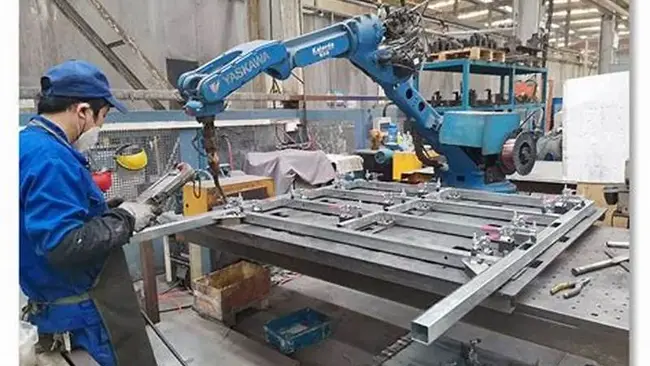
Short answer: Tolerance conflicts should be clarified before a қисмҳои штампшуда quote is finalized. Buyers should identify conflicts between 2D drawing, 3D model, title block tolerances, GD&T, customer standards, inspection method, and functional fit. The таъминкунанда can quote more accurately when critical features, datums, and acceptance rules are visible from the start.
қисмҳои штампшуда quotes become unstable when the drawing says one thing, the model shows another, and the inspection method expects a third result. The таъминкунанда may price normal штампкунӣ control while the buyer expects a tighter functional requirement.
Use this page with the drawing package completeness checklist, drawing review checklist, DFM review before tooling, and first article inspection checklist.
Умумӣ tolerance conflicts to resolve before quote
| Item | Why it matters | RFQ detail to confirm |
|---|---|---|
| 2D drawing vs 3D model | The таъминкунанда may not know which file controls. | State the controlling file and list model-reference-only areas. |
| Title block vs feature callout | General tolerances may conflict with local requirements. | Mark critical dimensions and confirm which tolerance wins. |
| GD&T vs fixture check | A datum scheme can be measured differently by each party. | Define datum тамос, functional gage, CMM setup, or inspection fixture. |
| Flat state vs formed state | қисмҳои штампшуда move after forming, plating, or heat treatment. | State whether acceptance is free state, restrained state, or assembly condition. |
Separate functional needs from legacy notes
Many drawings carry old notes copied from earlier programs. Some notes are critical; others no longer match the part function. Ask which features drive assembly, electrical тамос, sealing, cosmetic appearance, or safety.
The таъминкунанда can then focus tooling and inspection effort where it matters instead of overpricing every nonfunctional feature.
Clarify measurement before tooling starts
Tolerance is not only a number. It depends on datum setup, probe access, burr direction, coating thickness, flatness condition, and whether the part is checked free or held in a fixture. These details affect tooling design and sample approval.
For high-risk features, connect the requirement to the critical dimensions inspection plan and datum and functional gage guide.
Use a clarification log
Keep a short log of each conflict, proposed interpretation, buyer answer, revision impact, and quote effect. This prevents the same question from returning during sample inspection or production launch.
If a later answer changes the requirement, manage it through the engineering change control guide instead of treating it as a casual email note.
Turn answers into quote assumptions
Every clarification that affects tooling, inspection, finishing, or packaging should be visible in the quote. If the таъминкунанда assumes a feature is reference only, or the buyer expects it to be controlled, the cost and approval risk are not the same.
Ask the таъминкунанда to list assumptions beside the price. The buyer can then approve, reject, or revise those assumptions before tooling starts instead of discovering the gap during first article inspection.
When possible, attach marked-up screenshots or ballooned drawings to the clarification log. Visual examples reduce the chance that two teams use the same words but mean different inspection conditions.
RFQ details to include
Ирсол кунед the controlled 2D drawing, 3D model, title block tolerance, customer standard, critical dimension list, datum scheme, sample acceptance method, finish thickness, and any known assembly condition.
Also send photos, mating part data, functional gage expectations, and Қаблӣ rejection history if the part has caused таъминкунанда or receiving disputes.
How to compare таъминкунанда responses
A strong response lists assumptions and asks for decisions before tooling. A weak response ignores conflicts and quotes as if every dimension were clear. The cheaper quote may become expensive once inspection starts.
Ирсол кунед drawings with known tolerance conflicts through the тамос page. Use the RFQ form to request a DFM and tolerance clarification review before tooling.
Buyer file to keep with the quote
Keep the final answer for this қисмҳои штампшуда drawing tolerance conflict clarification guide with the drawing revision, quote number, таъминкунанда assumptions, approval owner, and open actions. That record helps future reorders, audits, and таъминкунанда changes stay consistent.
Саволҳо
Which file controls if the drawing and model conflict?
The buyer should state which file controls. Many programs use the 2D drawing as the authority, but model-based definitions must be stated clearly.
Should every tight tolerance be quoted as critical?
No. Identify which tight features affect function, assembly, appearance, or customer approval so tooling and inspection effort can be focused correctly.
Why does inspection method matter in штампкунӣ?
A stamped part can measure differently depending on datum setup, burr side, coating thickness, fixture restraint, and whether the part is checked free or assembled.
What should buyers send when tolerances are unclear?
Ирсол кунед drawing, model, critical feature list, datum requirements, customer standards, mating part data, and known rejection history if available.
{"@context":"https://schema.org","@type":"FAQPage","mainEntity":[{"@type":"Question","name":"Which file controls if the drawing and model conflict?","acceptedAnswer":{"@type":"Answer","text":"The buyer should state which file controls. Many programs use the 2D drawing as the authority, but model-based definitions must be stated clearly."}},{"@type":"Question","name":"Should every tight tolerance be quoted as critical?","acceptedAnswer":{"@type":"Answer","text":"No. Identify which tight features affect function, assembly, appearance, or customer approval so tooling and inspection effort can be focused correctly."}},{"@type":"Question","name":"Why does inspection method matter in штампкунӣ?","acceptedAnswer":{"@type":"Answer","text":"A stamped part can measure differently depending on datum setup, burr side, coating thickness, fixture restraint, and whether the part is checked free or assembled."}},{"@type":"Question","name":"What should buyers send when tolerances are unclear?","acceptedAnswer":{"@type":"Answer","text":"Ирсол кунед drawing, model, critical feature list, datum requirements, customer standards, mating part data, and known rejection history if available."}}]}