
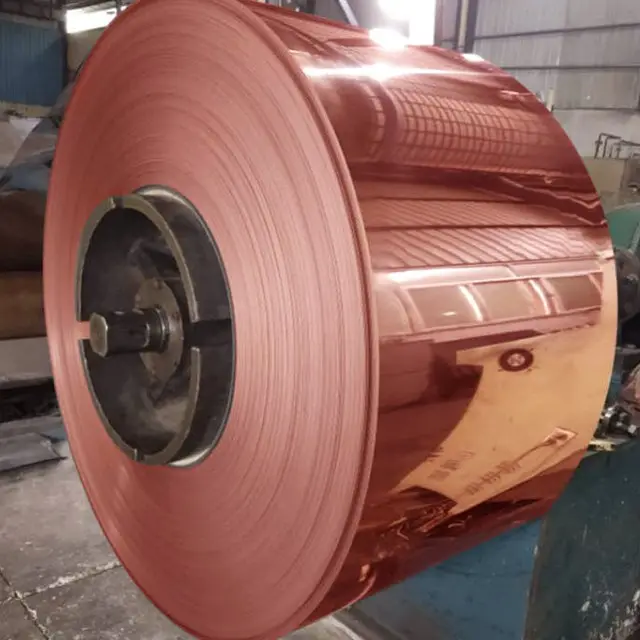
Short answer: A stamped part can sometimes use an alternative material, but the approval should cover more than cost or availability. The buyer should compare grade, thickness, temper, yield strength, formability, conductivity, plating compatibility, compliance documents, tooling impact, and sample evidence before changing the drawing or purchase order.
Мавод substitution requests usually appear when a steel, stainless, aluminum, copper, brass, or plated strip becomes expensive, delayed, or unavailable. A таъминкунанда may suggest an equivalent grade, a different temper, or a thickness change. The buyer still owns the risk if the part no longer forms, springs, conducts, welds, plates, or assembles the same way.
Use this guide with the material selection guide, engineering change control guide, IMDS compliance guide, and material price escalation guide.
Substitution checks before approval
| Check | Why it matters | Evidence to request |
|---|---|---|
| Mechanical fit | Yield strength, elongation, and temper can change springback, cracking, and holding force. | Мавод data sheet, comparison table, and formed sample results. |
| Tooling impact | A harder or thicker material may change tonnage, die wear, burr growth, or strip layout. | таъминкунанда DFM note and tooling change estimate. |
| Finish compatibility | Plating, passivation, welding, painting, or cleaning may behave differently. | Finish таъминкунанда confirmation and sample finish report. |
| Compliance | RoHS, REACH, IMDS, UL, or customer material lists may not allow the substitute. | Updated declaration, certificate, and customer approval record. |
When substitution is worth reviewing
A substitution can be useful when the current grade has long муҳлати таҳвил, unstable pricing, or unnecessary specification cost. It may also help when the original drawing was copied from a prototype material and does not match the production function. The review should start with what the part must do: carry load, retain spring force, conduct current, resist corrosion, keep a cosmetic surface, or survive forming without cracks.
Do not approve a substitute only because the таъминкунанда calls it equivalent. Different national standards can share similar chemistry but have different temper, mechanical range, or coating condition. For stamped springs, clips, terminals, busbars, and кронштейнҳо, small differences can move a part outside the functional window.
How to control drawing and quote changes
If the substitution changes thickness, hardness, coating, or mechanical properties, treat it as a controlled engineering change. The quote should state whether the existing die can run the substitute, whether tryout samples are needed, and whether the unit price changes because of material yield, scrap, tooling wear, or inspection time.
Connect the review to the drawing review checklist, tooling tryout and sample approval guide, and PPAP and FAI package guide. A low-risk bracket may only need FAI and fit check. A terminal, safety clip, or автомобилӣ part may need customer approval before any production shipment.
RFQ details to include
- Current material grade, thickness, temper, finish, standard, and approved source.
- Reason for substitution: cost, муҳлати таҳвил, availability, compliance, forming issue, or таъминкунанда recommendation.
- Candidate material with data sheet, certificate requirements, and allowed tolerances.
- Functional requirements: load, spring force, conductivity, weldability, corrosion, flatness, cosmetic surface, or assembly fit.
- Existing tooling status, annual volume, sample quantity, and whether revalidation is required.
- Required evidence: FAI, material certificate, finish report, compliance declaration, fit test, or customer approval form.
Approval logic for buyers
A practical approval path separates temporary deviation from permanent drawing change. A one-time shortage may be handled with a limited concession if risk is low and traceability is clear. A permanent substitute should update the drawing, control plan, inspection plan, and purchase specification so future lots are not ambiguous.
Ирсол кунед the drawing, current material, substitute proposal, and approval rule through the тамос page. If you need a таъминкунанда to compare two material routes, use the RFQ form and ask for price, муҳлати таҳвил, tooling impact, and sample evidence side by side. This makes the substitution a controlled decision rather than a hidden quote assumption.
For electrical or spring parts, do not stop at chemistry. Ask how the substitute changes тамос resistance, spring force, bend fatigue, stress relaxation, or plating adhesion. For structural кронштейнҳо, check hole position, bend angle, and load path after forming. A таъминкунанда answer that names the affected functions is more useful than a simple statement that the material is available.
Саволҳо
Can a stamped part use an alternative material?
Sometimes, but the buyer should confirm mechanical properties, forming behavior, finish compatibility, compliance, tooling impact, and sample approval before release.
Does a thickness change require new tooling?
It may. Thickness changes can affect die clearance, forming force, burr, springback, flatness, and whether the existing strip layout still works.
What evidence should a таъминкунанда provide?
Ask for a material data comparison, certificate, DFM note, formed samples, FAI report, finish compatibility check, and any required compliance document.
Is a temporary substitution the same as a drawing change?
No. A temporary deviation should have quantity and date limits. A permanent substitution should update drawing and quality documents.