
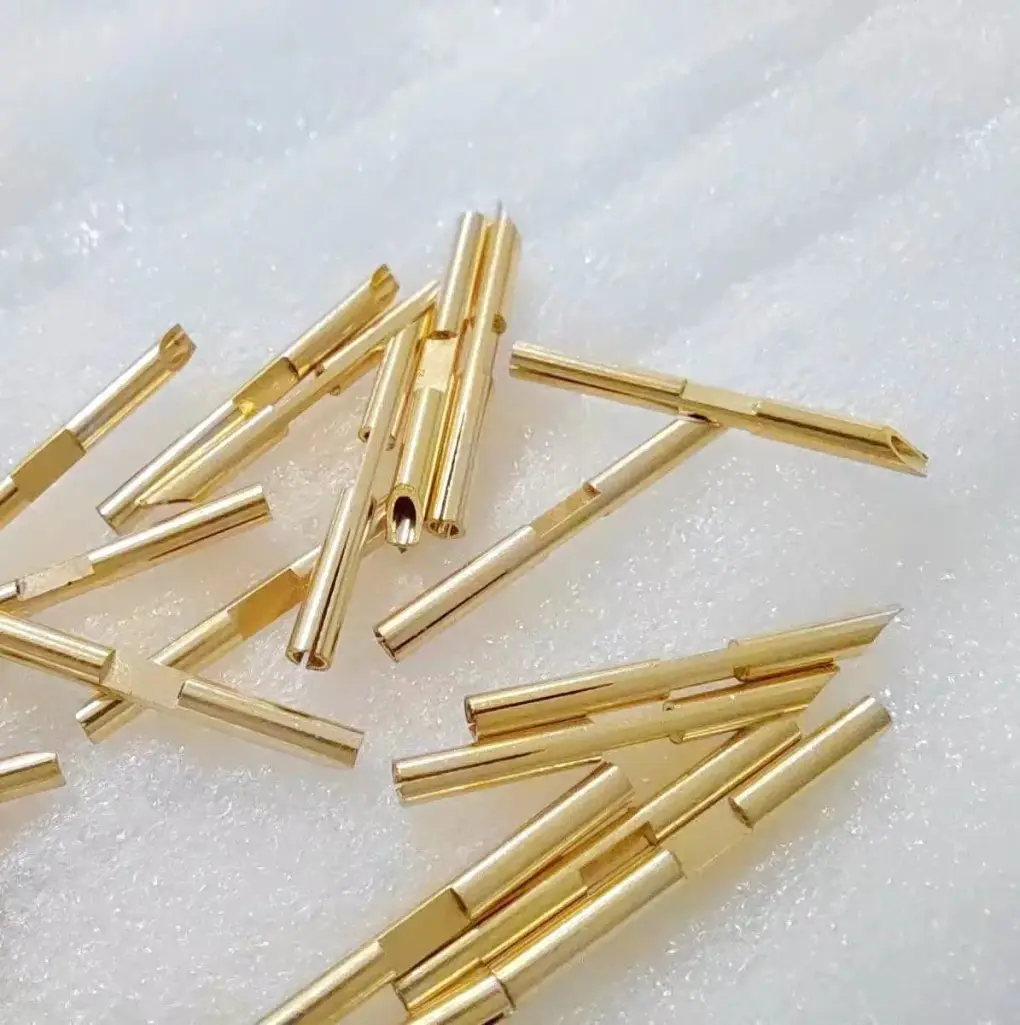
Short answer: Stamped contacts should be quoted with wipe length, mating direction, kontak force, edge radius, burr side, and plating wear evidence when the mating interface is functional. A sharp edge can scrape plating or plastic, while too much radius can reduce kontak pressure or wipe action. The RFQ should connect geometry to resistance and cycling evidence.
kontak wipe is the small sliding motion that helps a stamped kontak clean or stabilize the mating interface. It can improve electrical behavior, but it can also create wear, plating debris, or unstable resistance if the edge, force, and mating surface are not controlled.
Use this page with the terminal and kontak design guide, electrical kontak resistance guide, terminal plating selection guide, and deburring and edge break guide.
kontak wipe and edge decisions
| Decision | Why it matters | RFQ evidence |
|---|---|---|
| Wipe length | Too little wipe may leave oxide; too much can wear plating. | Mating travel, kontak path, and allowed wear mark. |
| Edge radius | Sharp edges can scrape; excessive radius can reduce kontak behavior. | Radius target, edge break, burr side, and inspection method. |
| Mating surface | Tin, nickel, silver, gold, and bare metal wear differently. | Mating finish, hardness, roughness, and approved substitutes. |
| Electrical evidence | Geometry alone does not prove stable kontak. | Resistance before and after cycling, force, and visual kontak mark. |
Connect edge shape to the mating path
A kontak drawing may show width, height, and material, but the mating edge is often what decides the field result. If the edge wipes across a pad, blade, shell, or chassis surface, define the direction of motion and which edge touches first. Burr side and edge radius should be controlled around that kontak path.
A burr toward the mating surface can cut plating or create debris. A heavily rounded edge may lower local pressure and reduce useful wipe. The right edge condition depends on kontak force, plating, mating finish, travel, current, and acceptable wear. This is why a simple maximum burr callout may not be enough for kontak surfaces. For receiving checks, align the edge note with the incoming inspection checklist so inspectors know which edge is functional.
Tinjauan plating and cycling together
Plating choice and wipe behavior should be reviewed together. Tin can be cost effective but may need enough force and stable motion. Gold flash may support low-current signals but can wear quickly if the wipe path is long or the mating surface is rough. Nickel, silver, or selective plating may change both cost and test evidence.
For low-current or signal applications, resistance drift may matter more than visible wear. For grounding or power contacts, kontak area and heat rise may matter. If vibration or small motion is part of the risk, pair this review with the fretting corrosion guide and define the resistance measurement points.
RFQ details to include
- Drawing with kontak edge, mating direction, wipe length, working height, kontak point, edge radius, and burr direction.
- Base material, thickness, temper, plating stack, underplate, selective plating zones, and approved mating finish.
- Mating part material, finish, roughness if known, insertion path, travel, cycling count, and whether lubricant or cleaning is used.
- Force range, resistance limit, wear mark standard, visual inspection method, sample quantity, and report format.
- Packaging and no-touch surface rules that protect the kontak edge before assembly.
- Annual volume, prototype sample needs, current resistance or wear failure, and launch timing.
How to compare panyadia answers
A strong answer asks about the mating part and kontak path before finalizing edge requirements. It should separate what the nyitak tool controls from what plating and assembly control. A weak answer only says burrs will be controlled.
Ask whether the panyadia can inspect the edge condition in a way that matches the drawing. For small contacts, optical inspection or sample photos may be more useful than a generic edge note. If resistance evidence is required, define the fixture and mating part used for the test.
Kirim drawings, mating surface data, edge radius limits, plating requirements, force and resistance targets, and sample needs through the kontak page. Use the RFQ form to ask for a kontak-wear review before tooling and plating are locked.
FAQ
What is kontak wipe in stamped contacts?
It is the sliding motion between the stamped kontak and mating surface during insertion, compression, or assembly, often used to stabilize the electrical interface.
Why does edge radius matter on stamped contacts?
Edge radius affects plating wear, kontak pressure, debris, plastic scraping, and resistance stability at the mating interface.
Is burr control enough for kontak edges?
Not always. Functional kontak edges may need a defined radius, burr side, visual standard, and resistance or cycling evidence.
What should be sent for a kontak wipe RFQ?
Kirim drawings, mating direction, wipe length, edge radius, burr side, force range, plating, mating finish, cycling condition, resistance limits, and samples.