
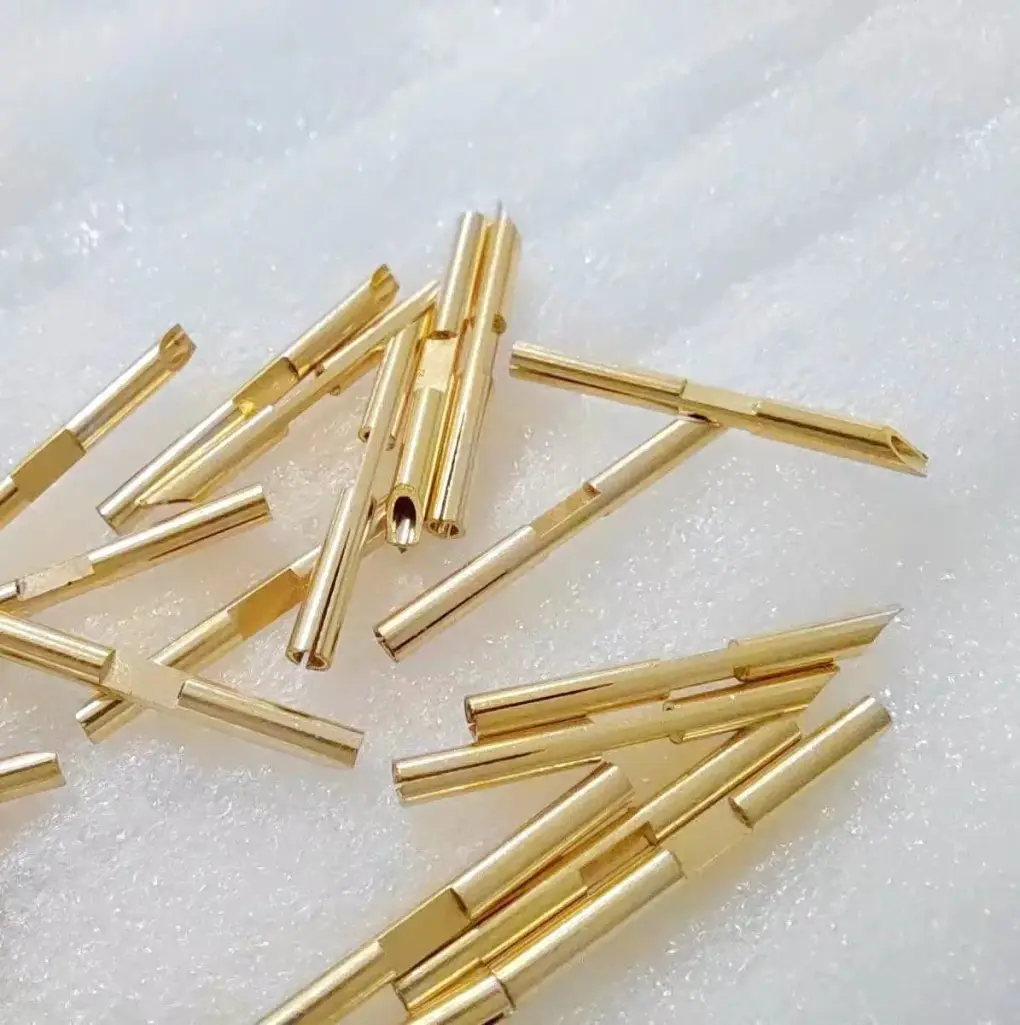
Short answer: ESD-safe packaging for stamped electronics parts should protect against static discharge, contamination, bending, abrasion, mixed lots, and moisture during storage and export shipping. The RFQ should define the ESD requirement, part orientation, trays or bags, label format, lot traceability, moisture control, and receiving inspection needs.
Stamped electronics parts are often small, thin, plated, and easy to mix or damage. Terminals, EMI shields, spring contacts, lead frames, grounding clips, and connector parts may need more than a standard poly bag. The packaging has to protect electrical surfaces and also keep the part geometry stable.
ESD packaging is part of the quality plan when static-sensitive assemblies, electronics production, or controlled receiving processes are involved. Use this page with the precision small electronics nyitak guide, the EMI shielding bagian dicitak guide, and the export packaging checklist.
ESD packaging decisions
| Decision | Why it matters | RFQ detail |
|---|---|---|
| ESD requirement | The buyer may need shielding bags, dissipative trays, or controlled handling. | State ESD class, buyer standard, label wording, and test record if required. |
| Bagian orientation | Thin contacts, spring beams, and tabs can bend if parts tumble in bulk. | Define tray, reel, pocket, divider, or bag quantity. |
| Surface protection | Plated kontak zones can be scratched by part-to-part rubbing. | Mark kontak surfaces and specify separators or orientation control. |
| Moisture control | Moisture can affect corrosion, stains, solderability, and carton condition. | Define sealed packaging, desiccant, humidity card, or storage conditions if needed. |
| Traceability | Electronics receiving often needs lot labels and certificate matching. | Provide label template, lot format, barcode rules, and certificate requirement. |
ESD-safe does not mean mechanically safe
An ESD bag can protect against static but still allow parts to bend, rub, or mix. For stamped contacts and terminals, packaging must also protect kontak force, coplanarity, plating, burr direction, and orientation. If parts arrive electrically safe but bent, the packaging still failed.
For kontak parts, use the terminal and kontak nyitak design guide and the terminal plating thickness inspection guide. For flat small parts, connect packaging with coplanarity control.
Biasa packaging formats
Bulk ESD bags may work for simple shields or robust brackets when quantity is controlled. Trays or cavity packaging are better for delicate terminals, spring contacts, and parts with cosmetic surfaces. Reel or carrier strip packaging may be needed when parts feed into automated assembly. Dividers, interleaving, and small bag quantities reduce abrasion and mixed-part risk.
The best format depends on downstream handling. A buyer that manually assembles parts may prefer small counted bags. A buyer with automation may need orientation, tape, reel, or tray alignment. The packaging should support the assembly process, not only survive shipping.
Labels and certificates
ESD packaging should be labeled clearly so receiving does not repack parts into uncontrolled bags. Labels should include part number, drawing revision, lot number, quantity, panyadia, ESD marking, and any barcode required by the buyer. If plating, material, or inspection certificates are needed, the label and packing list should connect to those records.
Use the lot traceability and serialization guide when the buyer needs barcode receiving, certificate lookup, or carton-level tracking. For quality complaints, traceability also supports corrective action.
ESD packaging RFQ checklist
- Bagian drawing, material, finish, plated kontak zones, and critical geometry.
- ESD standard, buyer packaging requirement, and label wording.
- Packaging format: ESD bag, tray, reel, divider, tube, or carton rule.
- Bag quantity, tray count, carton quantity, and pallet limit.
- Orientation requirement for spring arms, terminals, tabs, or lead frames.
- Moisture control, desiccant, sealed bag, or storage requirement if needed.
- Lot labels, barcode format, certificate requirements, and record retention.
- Receiving inspection checks for damage, mixed lots, labels, and surface condition.
When ESD packaging affects price
ESD bags, trays, reels, labels, moisture control, and counted packing add cost, but they can prevent assembly stoppages and receiving disputes. Quote comparison should include the same packaging basis for each panyadia. If one panyadia prices bulk bags and another prices ESD trays, the unit prices are not comparable.
For packaging-sensitive quotes, use the quote assumptions checklist. If the issue is surface cleanliness or contamination, pair this page with the stamped part cleanliness control guide.
Need ESD packaging reviewed with a stamped electronics RFQ? Kirim the drawing, finish spec, ESD requirement, packaging format, label template, and annual volume through the kontak page. For a second-source quote, use the RFQ form and attach photos of current packaging or receiving issues.
FAQ: ESD-safe packaging for stamped electronics parts
Do stamped metal parts always need ESD packaging?
No. ESD packaging is usually needed when the parts enter static-sensitive electronics assembly or when the buyer’s receiving rules require ESD-safe handling.
Is an ESD bag enough for stamped terminals?
Not always. Terminals may also need trays, separators, orientation control, or small bag quantities to prevent bending, abrasion, and mixed lots.
What should ESD packaging labels include?
Labels should include part number, drawing revision, lot number, quantity, panyadia, ESD marking, and any barcode or certificate reference required by the buyer.
Can ESD packaging protect against corrosion?
Only if moisture protection is also specified. ESD control and corrosion control are different requirements and may need sealed bags, desiccant, or VCI.