
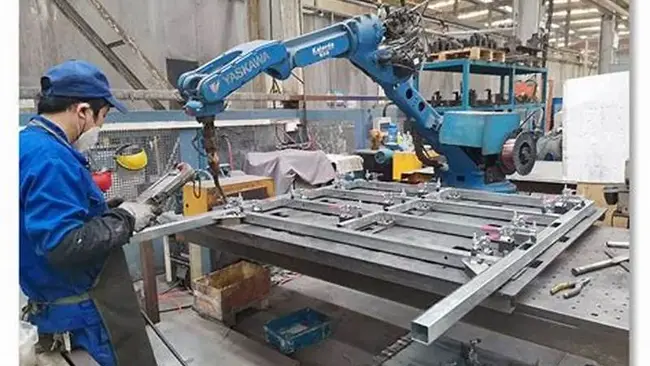
Short answer: End-of-life planning for ਸਟੈਂਪ ਕੀਤੇ ਭਾਗ should define last-time-buy quantity, service demand, tool storage, material availability, finish shelf life, packaging, inspection records, and revision status. Buyers should not wait until a ਸਪਲਾਇਰ closes a tool or material becomes obsolete before deciding how final parts will be made and stored.
ਸਟੈਂਪ ਕੀਤੇ ਭਾਗ can stay in service long after regular production ends. The risk is not only whether the ਸਪਲਾਇਰ can run one final lot. The buyer also needs controlled revision status, usable tooling, approved material, packaging that survives storage, and records that support future service demand.
Use this page with the tool ownership transfer guide, revision cut-in guide, anti-tarnish packaging guide, and returnable tray cleanliness guide.
Last-time-buy planning items
| Item | Why it matters | RFQ detail to confirm |
|---|---|---|
| Demand and service life | The final buy must cover realistic use, not wishful forecasts. | Service demand, failure replacement, warranty, regional stock, and scrap allowance. |
| Tooling status | A stored tool may not be ready years later. | Tool ownership, condition, storage, maintenance, spares, and restart cost. |
| Material and finish shelf life | Some materials and finishes age or become unavailable. | Material grade, plating, passivation, anti-rust method, certificates, and storage limits. |
| Revision and traceability | Final inventory must match approved service requirements. | Revision, labels, lot traceability, inspection records, and old inventory disposition. |
Start before the tool becomes inactive
A last-time-buy plan is stronger when the tool is still running and the ਸਪਲਾਇਰ team still knows the process. Waiting until the tool is stored, damaged, or missing spares makes final production more expensive and less predictable.
Ask for a tool condition report, spare part list, known repair needs, and restart estimate before committing to final volume.
Forecast service demand with practical buffers
End-of-life demand can include warranty, aftermarket, field replacement, regional stock, maintenance kits, and customer safety stock. Add scrap and inspection losses if the final lot has tight cosmetic or functional requirements.
Do not overbuy without checking shelf life. A large inventory of tarnished terminals, corroded brackets, or obsolete revisions creates storage cost without protecting service needs.
If the final lot supports several assemblies, confirm whether each assembly uses the same revision and finish. Service demand should be counted by usable configuration, not only by part number.
Check material and finish availability
Material supply can change before the product is fully retired. Pre-plated strip, spring temper material, special stainless, or customer-approved coating may become hard to source in small quantities.
If a substitute is allowed, record the approval path. If no substitute is allowed, the final buy may need material reservation before the production order is released.
Store parts in a way that protects future use
Long-term storage needs more than a normal shipping carton. Ask for corrosion protection, moisture control, label durability, carton strength, pallet stacking limits, and inspection before release to service stock.
For sensitive surfaces, use no-touch handling rules and define whether parts may be repacked after receiving.
Decide what happens to tooling after the final buy
The buyer should decide whether the tool is scrapped, stored by the ਸਪਲਾਇਰ, transferred, or kept for possible service restarts. Each path needs ownership, cost, access, and maintenance rules.
If tooling might transfer later, connect the plan with the ਸਪਲਾਇਰ transfer checklist and keep digital drawings, inspection fixtures, and sample records with the asset file.
RFQ details to include
Send forecast service demand, final revision, required shelf life, packaging standard, material and finish rules, tooling ownership, storage plan, inspection evidence, and target last shipment date.
Send last-time-buy planning through the contact page. Use the RFQ form to request final-lot cost, tool storage options, and packaging evidence.
Buyer file to keep with the quote
Keep this ਸਟੈਂਪ ਕੀਤੇ ਭਾਗ end-of-life and last-time-buy planning guide with the drawing revision, quote number, ਸਪਲਾਇਰ assumptions, owner of each open action, and the latest approval record. That file helps future ਸਪਲਾਇਰ reviews, audits, reorders, and transition decisions stay consistent.
FAQ
When should last-time-buy planning start?
Start while the tool is still active, material is available, and the ਸਪਲਾਇਰ can still provide current process knowledge and inspection records.
What makes final inventory risky?
Risk comes from wrong revision, poor storage, finish aging, material obsolescence, missing certificates, or tooling that cannot restart if demand was underestimated.
Should tooling be scrapped after end of life?
Only after service demand, ownership, customer rules, restart risk, and storage cost are reviewed. Some programs need tool retention for years.
What should buyers request in the final RFQ?
Request final volume, service forecast, tool condition, material availability, packaging plan, inspection evidence, certificates, and storage or transfer options.
{"@context":"https://schema.org","@type":"FAQPage","mainEntity":[{"@type":"Question","name":"When should last-time-buy planning start?","acceptedAnswer":{"@type":"Answer","text":"Start while the tool is still active, material is available, and the ਸਪਲਾਇਰ can still provide current process knowledge and inspection records."}},{"@type":"Question","name":"What makes final inventory risky?","acceptedAnswer":{"@type":"Answer","text":"Risk comes from wrong revision, poor storage, finish aging, material obsolescence, missing certificates, or tooling that cannot restart if demand was underestimated."}},{"@type":"Question","name":"Should tooling be scrapped after end of life?","acceptedAnswer":{"@type":"Answer","text":"Only after service demand, ownership, customer rules, restart risk, and storage cost are reviewed. Some programs need tool retention for years."}},{"@type":"Question","name":"What should buyers request in the final RFQ?","acceptedAnswer":{"@type":"Answer","text":"Request final volume, service forecast, tool condition, material availability, packaging plan, inspection evidence, certificates, and storage or transfer options."}}]}