
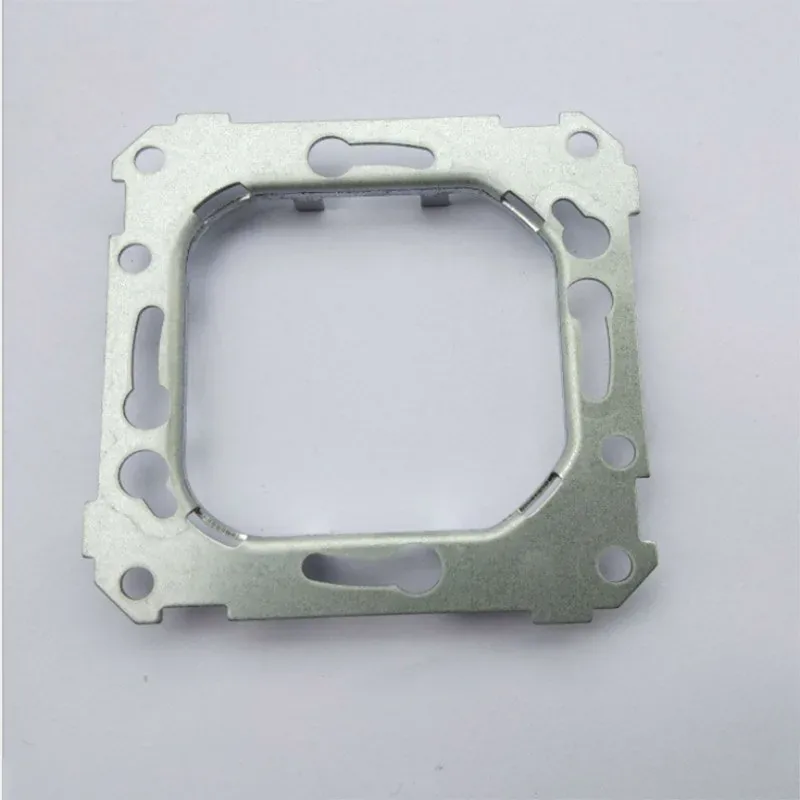
Short answer: Stamping press capacity is not only tonnage. A ပေးသွင်းသူ also needs suitable bed size, shut height, stroke, feed width, coil handling, die space, press speed, material thickness range, and forming control. A quote should confirm the press can make the part safely at the expected volume without forcing unstable tooling or slow production.
Buyers often ask whether a ပေးသွင်းသူ has enough tonnage for a stamped part. That is a good start, but it is not the whole capacity question. A press may have enough force but not enough bed area. It may fit the die but not the coil width. It may form the part slowly but not support the quoted volume. Capacity has to match the part, the tool, and the production plan.
This guide helps buyers prepare RFQs for thicker materials, larger blanks, formed brackets, progressive dies, transfer dies, and high-volume production. Use it with the တိုးတက်သော ဒိုင် design checklist, the tooling cost guide, and the low vs high volume stamping cost guide.
Press capacity factors
| Factor | Why it matters | Buyer RFQ input |
|---|---|---|
| Tonnage | Blanking, piercing, forming, coining, and restrike operations need force margin. | Material, thickness, perimeter, formed features, and any tight coined areas. |
| Bed size | The die must fit with enough space for setup, feed, scrap, and safety. | Part size, strip layout, die size if known, and carrier strip needs. |
| Feed width | Progressive dies need coil width, straightening, feeding, and scrap control. | Coil width, strip width, pitch, material thickness, and annual demand. |
| Stroke and shut height | Deep forms, tall features, or special tooling may need extra press geometry. | Draw depth, bend height, tool height, and forming sequence if available. |
| Run rate | A part can be technically possible but too slow for the forecast. | Annual volume, lot size, release schedule, and target ပို့ဆောင်ချိန်. |
Tonnage estimates are only early screening
A rough tonnage calculation can show whether the part is in the right press family, but final press selection depends on the actual die design and forming sequence. Piercing many holes, forming stiff ribs, restriking flatness, or coining contact areas can change load distribution. Thick stainless steel, spring steel, or high-strength steel may need more margin than a simple soft steel blank.
If the part has tight dimensions, connect press capacity with the သတ္တုတံဆိပ်နှိပ်ခြင်း tolerances guide and the critical dimensions inspection plan. A ပေးသွင်းသူ should not quote only from tonnage if the part also needs flatness, burr control, or spring force control.
Capacity for တိုးတက်သော ဒိုင် stamping
တိုးတက်သော ဒိုင် capacity depends on press tonnage, feed accuracy, strip width, pitch, die length, sensor use, coil handling, and press speed. A high-volume part may justify a progressive tool, but only if the ပေးသွင်းသူ can run it repeatedly without frequent stoppages or manual handling.
For terminals, clips, shields, and small precision parts, run rate and feed control can be as important as force. Compare process fit with the reel-to-reel stamping guide and the precision small electronics stamping guide.
When press limits create quote risk
Press limits show up as slow speed, excessive burrs, unstable dimensions, die wear, poor flatness, feeding problems, or rejected samples. If the ပေးသွင်းသူ is near the top of press capacity, ask what margin they have and whether the quote assumes a specific press. A part that barely fits one machine can become a schedule risk when that machine is unavailable.
For large or deeply formed parts, also review deep drawn stamping DFM and လွှဲပြောင်း ဒိုင် stamping. The right process may be more important than the largest press number.
RFQ checklist for press capacity review
- 2D drawing, 3D model, material grade, thickness, temper, and finish.
- Blank outline, hole pattern, formed features, draw depth, and bend height.
- Target annual volume, order quantity, release schedule, and ပို့ဆောင်ချိန်.
- Required die type: prototype, single-stage, compound, progressive, or transfer.
- Strip layout, die size, feed pitch, and coil width if already known.
- Critical dimensions, flatness, burr direction, and inspection requirements.
- Secondary operations that may affect process choice or capacity.
- Any current ပေးသွင်းသူ issue related to press capacity, burrs, speed, or instability.
Ask suppliers to state assumptions
A good quote should state whether the ပေးသွင်းသူ assumes existing press capacity, new tooling, progressive tooling, manual transfer, outside processing, or a specific lot size. If the buyer only receives a unit price, capacity risk stays hidden until sample or production release.
For a press capacity review, send the drawing, material, thickness, volume, and part images through the contact page. For a formal quote, use the RFQ form and ask the ပေးသွင်းသူ to identify the likely press type, tooling route, and any geometry that drives tonnage or run rate.
FAQ: stamping press capacity
Is press tonnage enough to choose a stamping ပေးသွင်းသူ?
No. Bed size, feed width, shut height, stroke, die type, run rate, material handling, and tolerance control also affect whether the ပေးသွင်းသူ can run the part reliably.
What RFQ data helps estimate stamping press capacity?
Send the drawing, material, thickness, blank outline, formed features, hole pattern, annual volume, die type expectation, and any known strip layout or die size.
Can a part be possible but still a poor press fit?
Yes. A press may make samples but run too slowly, have little force margin, lack feed width, or create schedule risk if only one machine can run the tool.
When does တိုးတက်သော ဒိုင် capacity matter most?
It matters most for high-volume parts where feed accuracy, strip width, die length, press speed, coil handling, sensors, and uptime drive the true unit cost.