
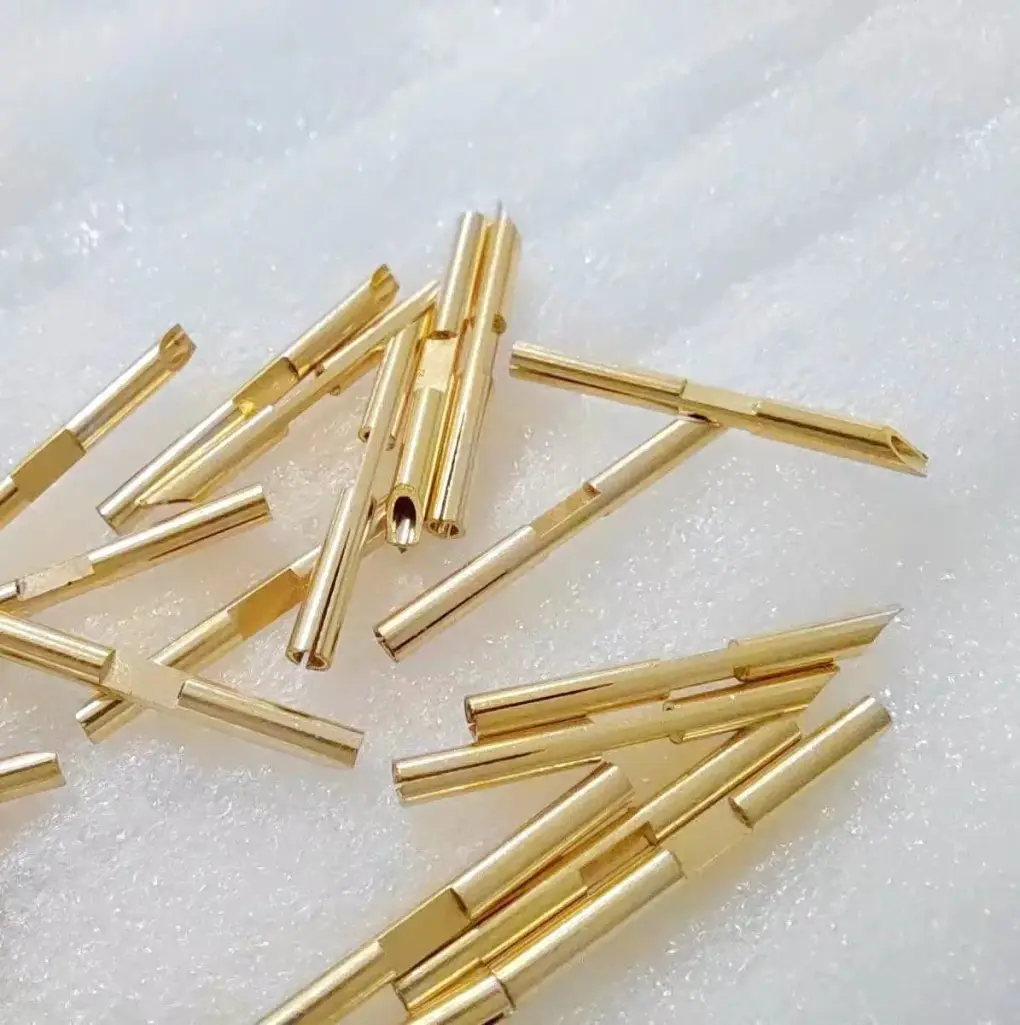
Short answer: Stamped power contacts should be quoted with heat rise and voltage drop evidence when current, plating, whakapā force, or assembly pressure can affect electrical performance. The RFQ should define the current path, mating surface, test current, temperature limit, voltage-drop method, sample condition, plating stack, wire or busbar interface, and whether results are checked before and after aging or cycling.
A stamped whakapā can look acceptable on the drawing and still run hot in the product. The risk usually comes from a small real whakapā area, weak spring force, thin plating, burrs on the current path, poor mating alignment, contamination, or a joint that changes after repeated assembly.
Use this page with the whakapā resistance and continuity test guide, terminal and whakapā tā design guide, copper busbar tā RFQ guide, and plated whakapā wear cycling guide.
Electrical test details to define before quoting
| RFQ detail | Why it matters | Evidence to request |
|---|---|---|
| Current path | Stamped geometry, tabs, bends, and joints can create local heating. | Marked current route, whakapā area, and mating part condition. |
| Voltage drop | A low-resistance claim needs a defined current and probe location. | Test current, probe points, fixture, sample count, and report format. |
| Heat rise | Ambient temperature and mounting condition change results. | Temperature limit, dwell time, thermocouple or infrared method, and photos. |
| Aged condition | Force loss, plating wear, or contamination can raise resistance later. | Before/after readings after cycling, heat aging, vibration, or storage. |
Define the electrical condition, not only the metal part
The drawing may show thickness, outline, and plating, but the electrical result depends on how the whakapā is used. A spring whakapā pressed against a pad, a crimped tab, a welded battery tab, and a bolted busbar need different test setups. The RFQ should show the mating surface, whakapā pressure, assembled height, allowed movement, and whether the part is tested free-state or installed in a fixture.
For copper and brass parts, conductivity is only part of the answer. Heat can also come from a narrow neck, a punched edge, a weak joint, a plating boundary, or a surface that is touched during handling. If flat whakapā pads or hole alignment matter, review the busbar hole alignment and flatness guide before approving the test plan.
Connect heat rise to plating, force, and cleanliness
A heat-rise report is not useful if the whakapā force, plating stack, and surface condition are undefined. Tin, nickel, silver, and selective plating behave differently under load, wiping, aging, and vibration. If the test is run on freshly cleaned samples but production parts arrive with oil film or packaging debris, the evidence may not match the assembly line.
Ask whether resistance is checked before and after mating cycles, vibration, thermal exposure, or storage. For whakapā surfaces that slide or wipe, use the whakapā wipe edge radius guide and the fretting corrosion guide to define the risk. For formed busbars with insulation or masking, connect the current path to the busbar insulation masking guide.
RFQ details to include
- Drawing, material grade, thickness, temper, plating stack, plated zones, burr direction, and current-carrying features.
- Rated current, test current, duty cycle, ambient temperature, allowed heat rise, voltage-drop limit, and dwell time.
- Mating surface, whakapā force, assembled height, fastener torque, spring deflection, wire crimp, weld joint, or busbar interface.
- Sample condition: as stamped, after plating, after cleaning, after packaging, after cycling, after heat aging, or after vibration.
- Fixture, probe location, thermocouple or infrared method, sample count, report format, and pass/fail rule.
- Prototype quantity, pilot run, annual volume, target launch date, and whether buyer approval is needed before production release.
How to compare kaiwhakarato answers
A useful answer explains how the stamped geometry, plating, and whakapā force support the current requirement. It should not only state that the material is conductive. Ask for the proposed test setup and a blank report before tooling release if heat rise is a customer requirement.
Compare whether suppliers identify the same risk points: narrow current necks, burr side, whakapā pad flatness, plating boundary, mating pressure, thermal path, cleaning, and packaging. These details often explain price differences better than the unit cost line.
Tukuna drawings, current ratings, mating details, voltage-drop limits, and sample needs through the whakapā page. Use the RFQ form to request heat rise evidence when a stamped whakapā carries meaningful current.
FAQ
When should heat rise be specified for stamped contacts?
Specify it when the whakapā carries meaningful current, has a narrow current path, uses a spring interface, or connects to a busbar, wire, tab, or plated mating surface.
Is voltage drop the same as whakapā resistance?
No. Voltage drop is measured under a defined current and probe location. whakapā resistance is calculated or reported from that controlled setup.
What causes stamped power contacts to run hot?
Tikanga causes include low whakapā force, small real whakapā area, plating wear, burrs, contamination, poor alignment, loose joints, and narrow conductive sections.
What should buyers send for a power whakapā RFQ?
Tukuna drawings, material, plating, current rating, mating condition, force or torque limits, voltage-drop target, heat-rise limit, sample stage, and volume.