
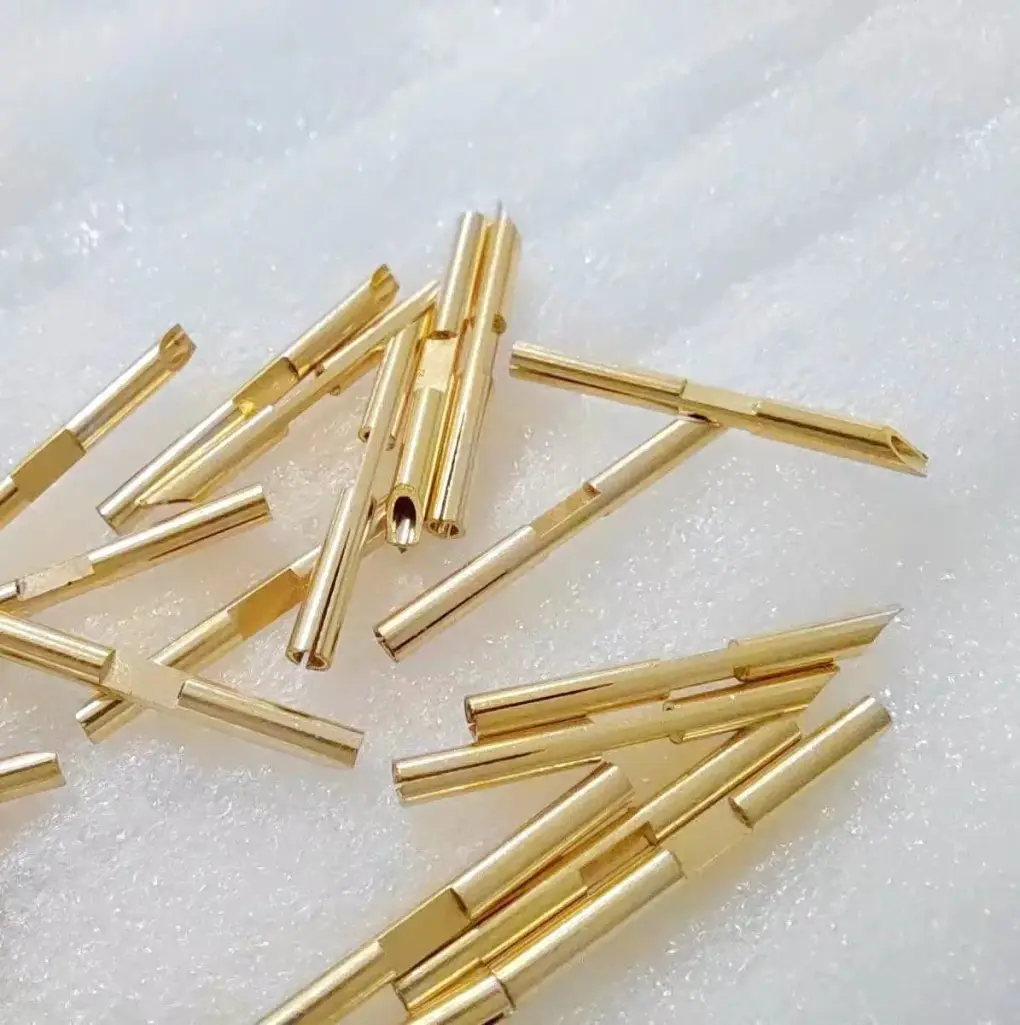
Short answer: stamped metal grounding clips are spring fifandraisana parts that create a repeatable conductive path between a board, shield, chassis, enclosure, rail, or frame and ground. A useful RFQ should define the drawing, material and temper, thickness, plating, fifandraisana force target, grounding path, burr direction, assembly method, packaging, inspection, volume, and fotoana fanaterana.
This guide is for engineers and sourcing teams buying grounding clips, EMI grounding contacts, chassis clips, electrical spring contacts, and stamped conductive parts. The buying question is usually fifandraisana reliability: will the clip keep enough force and conductivity after forming, plating, assembly, shipping, and use?
For a quote, send drawings, mating part details, material preference, plating, fifandraisana force target, grounding path, inspection needs, packaging, volume, and schedule through the RFQ form. For related small electrical parts, see the terminal and fifandraisana fitomboka guide and the small electronics fitomboka guide.
What buyers usually need from a grounding clip
A stamped grounding clip may connect a PCB ground pad to a chassis, bond a removable cover to an enclosure, maintain fifandraisana between a shield can and a frame, or provide a spring path in an electronic assembly. Unlike a broader EMI shielding stamped part, the main function is usually a controlled conductive path through a specific fifandraisana point.
The drawing should show the grounding path, mating surface, free height, working height, stop features, and keep-out zones. The RFQ should also make clear whether the part is a prototype, pilot run, or production item suitable for maty miandalana fitomboka. If the design is still flexible, a DFM review through Custom fitomboka metaly can help confirm bend radius, strip layout, burr direction, and plating sequence before tooling is committed.
mahazatra applications and part types
- PCB-to-chassis grounding clips for electronics housings and control modules.
- Spring contacts for covers, frames, shield cans, card cages, and enclosure joints.
- Stamped chassis clips used where screws, weld studs, or loose wires add assembly time.
- Battery, terminal, and electrical spring contacts where current path and spring recovery both matter.
- Conductive clips for sensors, industrial controls, communication equipment, and small electronic devices.
Some grounding clips are simple U-shaped or cantilever contacts. Others include barbs, lances, anti-rotation tabs, solderable areas, or press-fit features. Geometry affects die design, plating coverage, packaging method, and inspection plan. A part that looks similar in a photo may behave differently if spring length, grain direction, or mating finish changes.
Key specifications for an RFQ drawing
Fitaovana, temper, and conductivity
Grounding clips are commonly stamped from copper alloy, phosphor bronze, beryllium copper, brass, stainless steel, or plated steel. The choice depends on conductivity, spring requirement, corrosion exposure, and cost target. Copper alloys are often selected when electrical performance matters. Phosphor bronze and beryllium copper are often considered for spring recovery, especially where the clip must hold fifandraisana force after repeated compression.
Thickness, bend radius, and grain direction
Thickness affects stiffness, fifandraisana force, fitomboka tonnage, tooling wear, and strip cost. Thin parts may need careful packaging to avoid deformation. Thicker parts may need larger bend radii or more forming stations. For spring arms, grain direction can influence forming risk and fatigue behavior, so it is useful to show the critical bend direction or ask for a mpamatsy review.
| RFQ item | What to define | Why it matters |
|---|---|---|
| fifandraisana force | Target force at working height, test direction, and mating travel | Controls spring geometry, material temper, and inspection method. |
| Plating | Tin, nickel, silver, gold, passivation, or selective plating if needed | Affects conductivity, corrosion resistance, solderability, wear, and cost. |
| Burr direction | Burr up, burr down, or no sharp burr on the fifandraisana side | Helps avoid fifandraisana damage, poor seating, and assembly scratches. |
| Packaging | Bulk, tray, reel, separated layers, or orientation control | Protects spring features and supports automated assembly. |
Plating and surface finish choices
Plating should match the mating surface, current path, corrosion environment, and assembly process. Tin is often used for economical electrical fifandraisana and solderability. Nickel can provide a harder barrier layer or corrosion resistance in some designs. Silver or gold may be considered for lower fifandraisana resistance or demanding fifandraisana conditions, but cost and wear behavior should be reviewed.
The RFQ should state whether plating is required before or after forming. Post-plating can improve coverage on formed features, while pre-plated strip can reduce cost in some production cases. The best route depends on geometry, bend severity, exposed edges, and cosmetic requirements. See the plating and passivation RFQ guide for finish details that affect quoting.
Assembly reliability details
Grounding clips often fail in use because the drawing defines the shape but not the working condition. The quote package should show compressed height, mating material, direction of assembly, allowed deflection, and whether the part is touched by operators or installed by automation. A clip that is over-compressed during assembly may lose force. A clip shipped loose in bulk may arrive tangled or bent.
For small electronics, packaging can be as important as fitomboka accuracy. Trays, tape-and-reel, or layer-separated bags may be needed when spring arms can interlock. For parts with sharp barbs or delicate fifandraisana beams, the packaging requirement should be discussed before price comparison, not after production samples are made. For copper alloy spring fifandraisana choices, review the phosphor bronze and beryllium copper fifandraisana fitomboka guide.
RFQ checklist for stamped grounding clips
- 2D drawings and 3D CAD files with current revision level.
- Fitaovana, conductivity requirement, spring requirement, and preferred temper.
- Fitaovana thickness and allowed thickness tolerance.
- Plating, passivation, solderability, corrosion, or fifandraisana resistance needs.
- Intended grounding path and mating surface material or finish.
- Target fifandraisana force, working height, free height, and test method if known.
- Burr direction, critical edges, fifandraisana surfaces, and areas that must not scratch mating parts.
- Prototype, pilot, annual, and order quantity estimates.
- Inspection needs such as first article inspection, plating thickness, force test, or material certificate.
- Target fotoana fanaterana, project schedule, and whether tooling approval samples are required.
For a production quote, include any current mpamatsy issue, assembly complaint, or field failure condition. Alefaso the package through the fifandraisana page, or review broader capability categories on products and services.
FAQ: stamped grounding clips
What material is best for stamped grounding clips?
It depends on conductivity, spring force, corrosion exposure, and cost target. Phosphor bronze and beryllium copper are often used for spring contacts, while brass, copper alloy, stainless steel, or plated steel may fit other designs.
How should fifandraisana force be specified?
Specify the required force at the working height, not only the free height. If possible, include mating travel, compression direction, test point, and acceptable force range.
Does burr direction matter for grounding clips?
Yes. Burr direction can affect seating, fifandraisana stability, plating wear, and assembly scratches. Mark the preferred burr side, especially near a PCB pad, chassis surface, plated cover, or handled component.
What information helps get a faster grounding clip quote?
Alefaso drawings, CAD files, material and thickness, plating requirement, fifandraisana force target, grounding path, volume, inspection needs, packaging preference, and fotoana fanaterana.