
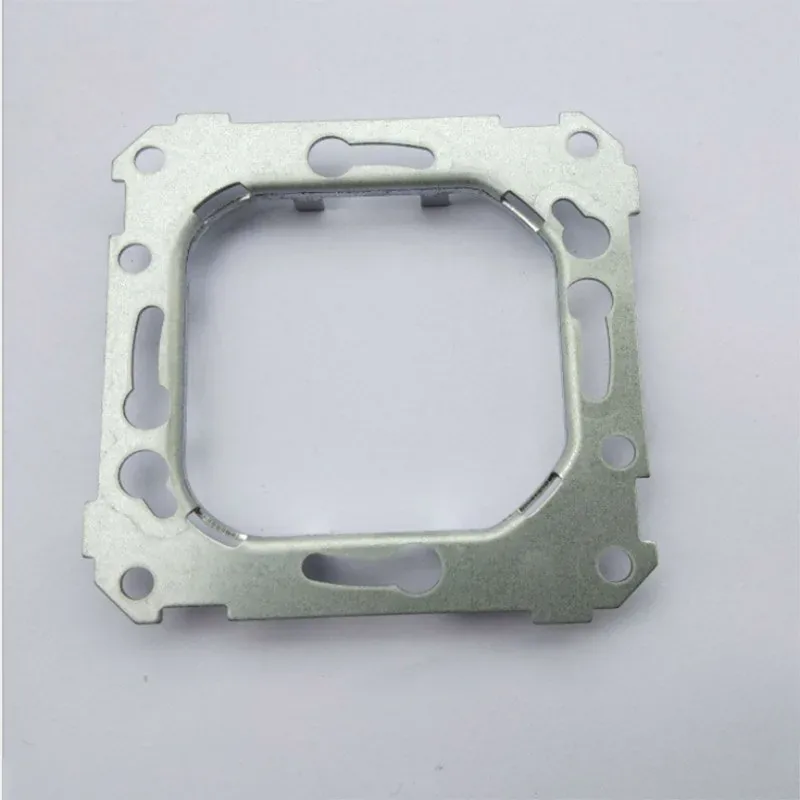
Short answer: CNC mpempe ígwè, laser cutting, and fabrication are often best for prototypes, design changes, and low-volume builds. ịkụ akara ígwè becomes stronger when the design is stable, volume is repeatable, formed features are consistent, and tooling cost can be spread over production. The right switch point depends on geometry, annual quantity, tolerance, material, finish, and revision risk.
This guide is for buyers who already have a mpempe ígwè part and need to decide whether to keep buying fabricated parts or invest in ngwa ọrụ ịkụ akara. The question is not only piece price. Tooling, revision control, material yield, quality stability, oge nnyefe, packaging, and assembly cost all matter.
If you want a conversion review, send your current drawing, annual usage, current process, target price, material, thickness, and finish through the RFQ form. For a complete package, use the ịkụ akara ígwè RFQ checklist.
When CNC mpempe ígwè is the better choice
CNC mpempe ígwè fabrication, laser cutting, punching, bending, and small-batch fabrication are useful when the design is still changing or the volume is too low to justify hard tooling. They also help when the buyer needs quick prototypes, multiple design variants, or simple flat and bent parts without high-volume repeat demand.
Do not move to ịkụ akara too early if the part is likely to change. A small drawing change can require tool modification, new samples, and new inspection approval. For uncertain programs, a staged path can work: prototype by fabrication, validate assembly, then build ngwa ọrụ ịkụ akara after the design is stable.
When ịkụ akara ígwè starts to make sense
ịkụ akara becomes attractive when the part is repeatable, the volume is predictable, and the tooling can reduce unit cost or improve consistency. anwụ na-aga n’ihu ịkụ akara can combine piercing, forming, bending, and cutoff in a repeatable process. Single-stage or compound dies may fit simpler parts or medium volumes.
| Decision factor | CNC mpempe ígwè/fabrication | ịkụ akara ígwè |
|---|---|---|
| Design maturity | Good for changing drawings and early prototypes. | Kachasị mma after geometry and critical features are stable. |
| Volume | Useful for low volume or mixed variants. | Stronger when repeat demand spreads tooling cost. |
| Unit cost | Often higher at scale because cycle time and handling remain. | Can reduce unit cost once tooling is justified. |
| Consistency | Depends on setup, bending sequence, and operator control. | Can improve repeatability with controlled tooling and inspection. |
| Change flexibility | Higher flexibility for revisions. | Lower flexibility after die steel is cut. |
Tooling cost versus total cost
The easiest mistake is comparing only tooling cost against no tooling cost. A better comparison looks at total cost over expected volume. Include part price, scrap, material yield, finishing, secondary operations, inspection, packaging, freight, quality rejects, and the cost of design changes.
Use the metal ngwa ọrụ ịkụ akara cost guide and low volume vs High Volume ịkụ akara cost guide when comparing options. If a onye na-ebubata quote looks cheaper, check whether it includes nwe ngwaọrụ, maintenance, spare inserts, samples, finishing, and inspection.
Part features that favor ịkụ akara
ịkụ akara may be a good fit when the part has repeated pierced holes, tabs, louvers, clips, forms, embosses, shallow draws, coined areas, or features that need consistent location. It can also help when the buyer wants parts nested efficiently in strip layout or supplied in a repeatable production flow.
Features that are difficult for fabrication may still need DFM review before ịkụ akara. Tight hole-to-bend spacing, sharp inside corners, deep forms, flatness requirements, or cosmetic surfaces can change tooling complexity. Nyochaa the punched holes and slots guide, tolerances guide, and springback guide before locking the drawing.
Revision risk before tooling
If the part is still being tested in the final assembly, delay hard tooling or use a prototype/pilot path. Tool changes are possible, but they cost time and can affect the project schedule. The buyer should decide which dimensions are frozen, which are still under test, and what approval is needed before production tooling begins.
For urgent programs, ask whether soft tooling, a pilot die, or a staged tooling plan is appropriate. The production oge nnyefe guide explains how DFM, tooling, samples, finishing, inspection, and approval affect launch timing.
Ogo and inspection comparison
Fabricated parts may rely more on setup control and final inspection. akụkụ e kụrụ akara rely more on tooling repeatability, in-process checks, die maintenance, and first article approval. Neither path is automatically better; the right quality plan depends on critical dimensions, assembly function, surface finish, and production volume.
For production ịkụ akara, define critical features before quoting. Use the FAI checklist for launch samples and the PPAP/APQP guide if the part needs controlled approval records.
RFQ checklist for switching to ịkụ akara
- Current drawing, 3D model, and revision history.
- Current process: laser cut, CNC punched, press brake, welded, machined, or fabricated.
- Annual volume, batch size, expected program life, and demand stability.
- Current unit price target or cost pain point if available.
- ihe ọkwa, thickness, finish, and approved substitutes.
- Critical dimensions, flatness, burr direction, cosmetic surfaces, and assembly fit.
- Secondary operations: tapping, welding, riveting, plating, cleaning, packaging.
- Sample timing, production timing, and inspection-document requirements.
How to compare onye na-ebubata quotes
Ask each onye na-ebubata to separate tooling cost, sample cost, unit price, finishing, inspection, packaging, and freight assumptions. A ịkụ akara quote may look expensive at first because tooling is visible. A fabrication quote may look simple because tooling is hidden in setup and cycle time. Compare the same annual volume and the same quality requirements.
If you want help deciding whether to switch, send the drawing and current buying situation through the RFQ form. Include expected annual volume, current process, part problems, and what you want to improve: cost, consistency, oge nnyefe, assembly fit, or onye na-ebubata consolidation.
FAQ: CNC mpempe ígwè vs ịkụ akara ígwè
Is ịkụ akara ígwè always cheaper than CNC mpempe ígwè?
No. ịkụ akara can reduce unit cost at repeat volume, but tooling must be justified by volume, design stability, and part complexity.
When should a fabricated mpempe ígwè part move to ịkụ akara?
Consider ịkụ akara when the design is stable, annual volume is repeatable, and tooling can reduce unit cost or improve consistency.
Can ịkụ akara handle design changes?
Some changes are possible, but tool modification costs time and money. Freeze critical geometry before building production tooling.
What parts are good candidates for ịkụ akara?
Akụkụ with repeated holes, tabs, clips, forms, bends, shallow draws, and stable high-volume demand are often good candidates.
Should prototypes be fabricated before ịkụ akara?
Often yes. Fabricated prototypes can validate fit and function before investing in ngwa ọrụ ịkụ akara.
What information is needed for a conversion quote?
Zipụ drawings, current process, annual volume, material, thickness, finish, critical dimensions, quality needs, and target schedule.