
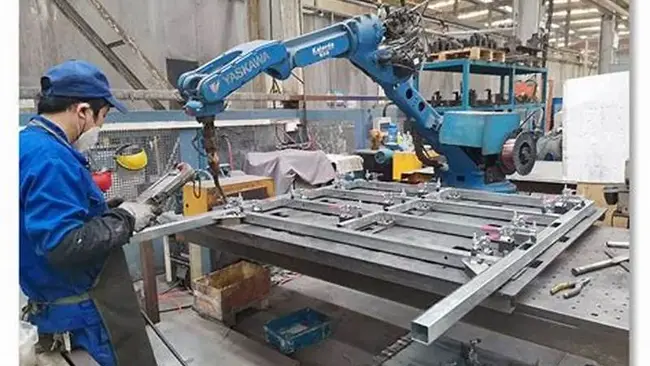
Short answer: Emergency rework is only appropriate when the defect can be corrected without hiding risk, damaging function, or breaking customer approval rules. Buyers should compare defect type, quantity, tooling cause, inspection method, finish condition, delivery urgency, and release evidence before choosing rework instead of remanufacture.
When قطعات مهرزنیشده fail close to a delivery date, the fastest option can become the riskiest option. Rework may protect a line stop, but it can also create uncontrolled burrs, coating damage, dimensional changes, or mixed evidence if the plan is not defined.
Use this guide with the corrective action evidence guide, containment label guide, expedited RFQ evidence checklist, and production approval sample guide.
Rework vs remanufacture decision factors
| Item | Why it matters | RFQ detail to confirm |
|---|---|---|
| Defect type | Some defects can be corrected; others damage function. | Burr, bend, hole, plating, mix, scratch, contamination, or material mismatch. |
| Root cause and scope | Rework is risky if the full suspect lot is unknown. | Affected dates, tool station, material lot, shipment, sorted quantity, and escape point. |
| Verification method | Corrected parts need proof, not hope. | Before-after data, inspection frequency, functional check, photos, and release owner. |
| Customer approval | Some programs prohibit rework without written approval. | Deviation request, rework instruction, label rule, and record retention. |
Use rework only when the correction is controlled
Simple deburring, cleaning, sorting, or label correction may be acceptable when the defect is well defined and verification is practical. Rework becomes risky when the correction changes dimensions, coating, hardness, spring force, or contact surface condition.
If the part is safety, electrical, cosmetic class A, or customer-controlled, ask whether written approval is required before any reworked parts ship.
For launch parts, compare the rework plan with the production readiness checklist so the emergency decision does not bypass normal release controls.
Choose remanufacture when the baseline is uncertain
If the تأمینکننده cannot prove which parts are affected, which tool condition caused the issue, or how reworked parts will be separated, remanufacture may be the cleaner path even if it takes longer.
Remanufacture is often safer when material grade, finish, heat treatment, plating, or forming sequence is wrong. Rework should not be used to hide a manufacturing route that no longer matches the approved process.
Protect traceability during emergency sorting
Emergency sorting can create new mistakes. Define how suspect, accepted, rejected, reworked, and remade parts will be labeled, stored, counted, and photographed before shipment.
Use the partial shipment and mixed carton guide if replacement parts, sorted parts, and normal production may ship close together.
Require a release package after rework
The release package should include defect definition, approved rework instruction, operator or inspection record, before-after measurements, sample photos, quantity accepted, quantity rejected, and the person who released shipment.
For dimensional or functional features, include first-off and last-off checks after correction. For finish or cleanliness issues, include visual standard, wipe test, plating evidence, or anti-tarnish packaging when relevant.
Compare delivery risk honestly
A quick rework that fails at receiving is not faster. Compare the real timeline for rework, verification, approval, packing, freight, and receiving release against the timeline for remanufacture.
If the buyer faces a line stop, state the critical date and acceptable partial shipment plan instead of asking the تأمینکننده to rush without release criteria.
A split plan can be useful: controlled rework for a small bridge quantity and remanufacture for the remaining demand. The split must still keep labels, certificates, and inspection records separate.
RFQ details to include
Send defect photos, drawing feature, measured values, quantity affected, shipment number, due date, customer approval rule, acceptable rework methods, and required release evidence.
Send emergency part issues through the contact page. Use the RFQ form to request rework, remanufacture, and expedited shipment options side by side.
Buyer file to keep with the quote
Keep this قطعات مهرزنیشده emergency rework vs remanufacture decision guide with the drawing revision, quote number, تأمینکننده assumptions, owner of each open action, and the latest approval record. That file helps future تأمینکننده reviews, audits, reorders, and transition decisions stay consistent.
FAQ
When is rework acceptable for قطعات مهرزنیشده?
Rework may be acceptable when the defect is clearly defined, the correction does not damage function, and verification evidence can prove the parts are acceptable.
When should parts be remanufactured instead?
Choose remanufacture when material, finish, forming route, traceability, customer approval, or measurement confidence is too weak for controlled rework.
Should reworked parts be labeled?
Yes. Reworked, sorted, rejected, and remade parts should be labeled and documented so receiving can separate them from normal production.
What evidence should buyers request?
Request defect photos, approved rework instruction, before-after data, sorted quantities, release owner, shipment photos, and corrective action status.
{"@context":"https://schema.org","@type":"FAQPage","mainEntity":[{"@type":"Question","name":"When is rework acceptable for قطعات مهرزنیشده?","acceptedAnswer":{"@type":"Answer","text":"Rework may be acceptable when the defect is clearly defined, the correction does not damage function, and verification evidence can prove the parts are acceptable."}},{"@type":"Question","name":"When should parts be remanufactured instead?","acceptedAnswer":{"@type":"Answer","text":"Choose remanufacture when material, finish, forming route, traceability, customer approval, or measurement confidence is too weak for controlled rework."}},{"@type":"Question","name":"Should reworked parts be labeled?","acceptedAnswer":{"@type":"Answer","text":"Yes. Reworked, sorted, rejected, and remade parts should be labeled and documented so receiving can separate them from normal production."}},{"@type":"Question","name":"What evidence should buyers request?","acceptedAnswer":{"@type":"Answer","text":"Request defect photos, approved rework instruction, before-after data, sorted quantities, release owner, shipment photos, and corrective action status."}}]}