
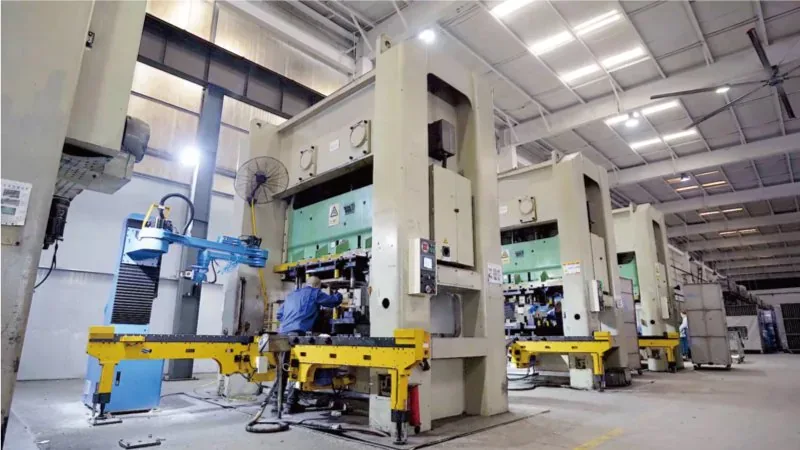
Short answer: Run-at-rate validation checks whether a stamping ਸਪਲਾਇਰ can produce the required volume at the quoted cycle time while controlling scrap, inspection, packaging, changeover, and downtime. It is most useful before launch when annual demand, release size, takt time, and quality controls must be proven rather than assumed.
A ਸਪਲਾਇਰ can have the right press tonnage and still fail a production launch. Coil changes, sensor stops, die adjustments, inspection checks, packaging, paperwork, and shift staffing can reduce real output. A run-at-rate review tests the production system, not only the stamping stroke speed.
Use this guide with the press tonnage capacity guide, production ਲੀਡ ਟਾਈਮ guide, control plan checklist, and pilot production launch checklist.
Run-at-rate items to validate
| Item | Why it matters | Evidence to record |
|---|---|---|
| Press output | Quoted stroke rate may not equal packed good parts per hour. | Actual run time, good pieces, scrap, stops, and reason codes. |
| Changeover | Short releases can lose capacity to setup and first-piece approval. | Setup time, first-off approval time, and restart checks. |
| Inspection | Sampling, gage checks, and documentation can become the bottleneck. | Inspection frequency, staffing, and report timing. |
| Packaging | Parts may run fast but pack slowly or damage during handling. | Pack rate, carton quantity, labels, separators, and final count method. |
When buyers should request run-at-rate
Run-at-rate is useful when the part supports a launch, has high monthly demand, requires tight delivery windows, or has customer penalties for shortages. It also helps when a ਸਪਲਾਇਰ is new, a tool has transferred, or the quote assumes aggressive production speed.
The review does not need to be complicated for every part. A low-volume service part may only need a pilot run. A high-volume terminal, bracket, shield, or busbar may need a defined run duration, scrap limit, and documented reaction plan for stops.
What the test should include
A useful run-at-rate uses production-intent material, tool, operators, inspection method, and packaging. If the test uses hand-picked material, slower inspection, or no final packing, it may not prove capacity. The buyer should also check whether the ਸਪਲਾਇਰ has enough raw material, spare die inserts, gages, labels, and packaging to support normal releases.
For progressive dies, include coil feed performance, sensor trips, slug or scrap removal, and part-out handling. For secondary operations, include welding, insertion, cleaning, plating handoff, or outside processing if those steps control shipment timing.
The same review should reference the die maintenance and tool life guide, in-die sensor guide, and export packaging checklist. Capacity is not proven if the press runs well but the tool needs constant adjustment, sensors are bypassed, or finished parts cannot be packed at the required pace.
RFQ details to include
- Annual volume, peak weekly demand, release quantity, takt requirement, and delivery destination.
- Expected run-at-rate duration, acceptable scrap rate, and good-pieces-per-hour target.
- Tooling status, material availability, inspection method, packaging format, and label requirements.
- Changeover assumptions, first-piece approval process, planned downtime, and maintenance checks.
- Required evidence: run sheet, scrap log, inspection records, packaging photos, and corrective action for missed targets.
- Whether the validation is ਸਪਲਾਇਰ self-reported, witnessed remotely, or witnessed on site.
How to use the result
If the ਸਪਲਾਇਰ misses the target, the response should identify the bottleneck. The fix may be a die adjustment, inspection method change, packaging improvement, spare insert plan, added shift, or revised release schedule. Do not treat every miss as a ਸਪਲਾਇਰ failure; sometimes the RFQ demand assumption was unrealistic.
Send demand, delivery, and validation requirements through the contact page. If you are choosing between suppliers, use the RFQ form to ask for a run-at-rate plan with the quote. A ਸਪਲਾਇਰ that can explain real capacity before launch is usually easier to manage than one that only lists press tonnage.
Keep the run-at-rate record linked to the purchase order assumptions. If release quantity, packaging count, inspection frequency, or target ਲੀਡ ਟਾਈਮ changes later, the old result may no longer prove the new demand. That is why the record should include both production data and the commercial assumptions used during the test.
FAQ
What is run-at-rate for ਸਟੈਂਪ ਕੀਤੇ ਭਾਗ?
It is a production validation that checks whether the ਸਪਲਾਇਰ can make good parts at the required rate with normal inspection, packaging, and downtime.
Is press stroke rate enough to prove capacity?
No. Good parts per hour, scrap, setup, inspection, packaging, material handling, and downtime all affect real capacity.
When should run-at-rate be done?
It is usually done before production launch, after tooling approval, or when demand changes enough to challenge the existing production plan.
What should buyers ask to see?
Ask for run time, good parts, scrap, stop reasons, inspection records, packaging evidence, and a response plan if targets are missed.