
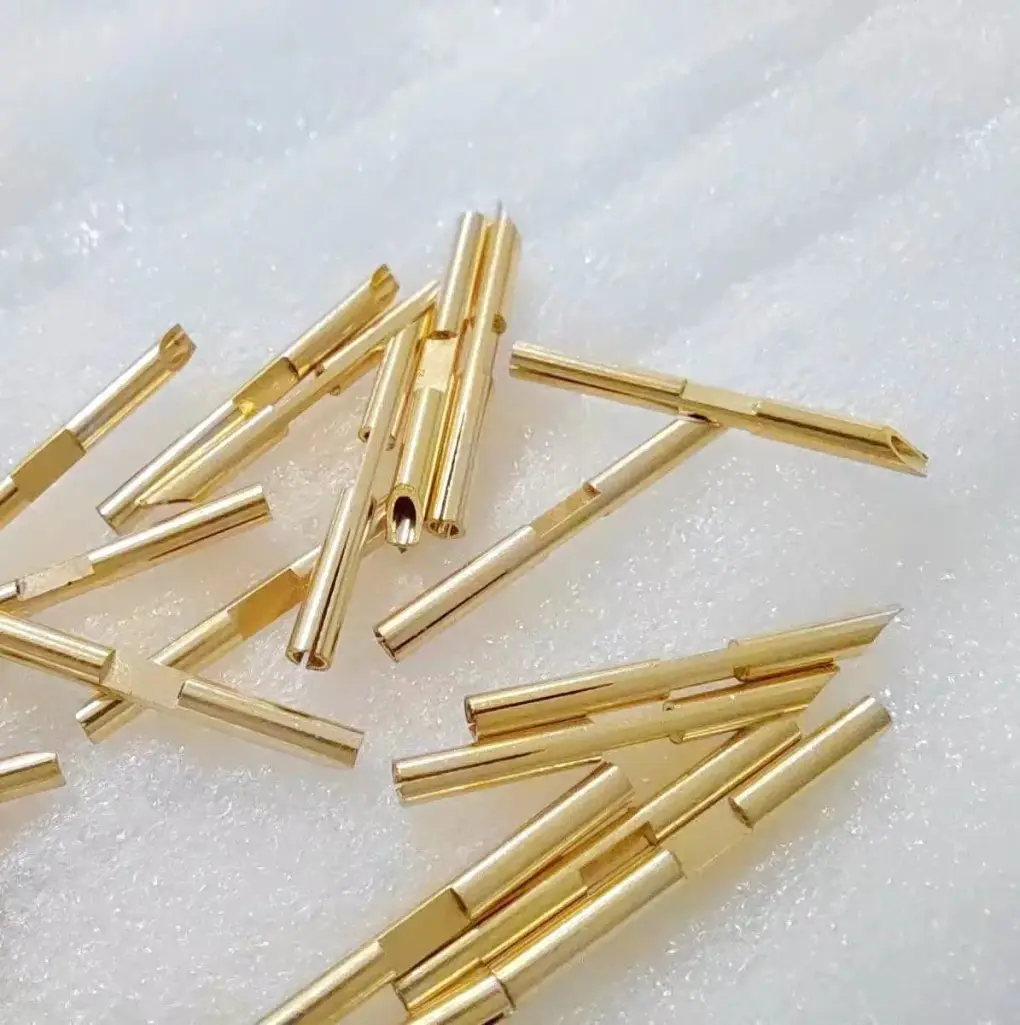
Short answer: Thermal cycling and aging should be defined when plated stamped contacts must keep resistance, force, solderability, or appearance after heat exposure and storage. The RFQ should state the plating stack, whakapā zone, temperature profile, dwell time, cycle count, sample stage, measurement method, packaging condition, and the change allowed after exposure.
A plated whakapā may pass fresh inspection and fail after heat, humidity, storage, soldering exposure, or repeated assembly. The failure may appear as resistance drift, force loss, discoloration, solderability loss, oxide growth, fretting debris, or visible plating change.
Use this page with the terminal solderability test RFQ guide, terminal plating thickness inspection guide, tin whisker risk guide, and whakapā resistance guide.
Aging evidence to define before production
| Condition | Why it matters | RFQ evidence |
|---|---|---|
| Thermal cycling | Expansion, plating stress, and whakapā force changes can show up after repeated temperature swings. | Temperature range, dwell, ramp, cycle count, and before/after results. |
| Heat aging | Storage or operating heat can change spring force, solderability, and surface film. | Temperature, time, sample state, and accepted drift. |
| Humidity exposure | Moisture can increase corrosion or staining on exposed edges and plated zones. | Humidity profile, packaging state, photos, and resistance readings. |
| Post-aging handling | Aged samples need the same measurement method as fresh samples. | Sample IDs, gage method, force test, resistance test, and reject rule. |
Choose the right sample stage
Thermal aging evidence depends on when the sample is taken. A flat blank before forming does not show the same risk as a finished whakapā after forming, plating, cleaning, inspection, and packing. If the whakapā surface is formed after plating, the bend zone and exposed edge may need separate review.
For contacts that rely on spring force, aging should be tied to the working height or mated condition. A force check at free height can miss the condition the customer actually uses. Pair the plan with the spring clip stress relaxation guide when force retention is part of the requirement.
Measure change, not just pass or fail
Before/after data is more useful than a single final value. Ask for resistance, force, appearance, solderability, and plating observations before exposure and after exposure. If the samples are cycled, keep sample IDs fixed so drift can be traced by part, feature, and location.
Packaging can affect the result. Sulfur exposure, moisture, paper transfer, static bags, plastic trays, or long shelf life can change a plated surface before the buyer uses it. Connect storage-sensitive contacts to the ESD-safe packaging guide, cleanliness control guide, and fretting corrosion guide. If a lot is accepted after aging, record whether the same packaging and handling rule applies to production shipments.
RFQ details to include
- Drawing, material, temper, plated zones, underplate, top finish, plating thickness, bend areas, and whakapā surfaces.
- Use condition: current, whakapā force, mating part, soldering exposure, vibration, storage time, humidity, or customer aging standard.
- Thermal profile, aging temperature, dwell time, ramp rule, cycle count, humidity condition, and sample stage.
- Before/after measurements for resistance, insertion force, normal force, solderability, appearance, plating thickness, or wear marks.
- Packaging state during aging, handling limits, sample IDs, report format, photos, and allowed drift from fresh condition.
- Prototype quantity, qualification quantity, annual demand, launch timing, and whether the buyer needs approval samples.
How to compare kaiwhakarato answers
A strong answer separates plating evidence from whakapā performance evidence. A thickness report alone does not prove resistance stability, force retention, solderability, or corrosion behavior. Ask which failure mode the kaiwhakarato expects and how the proposed test detects it.
If suppliers propose different aging profiles, ask why. One may be matching the customer’s operating condition, while another may be copying a generic test. The useful answer connects temperature, time, mating condition, and acceptance limits to the part’s real use.
Tukuna drawings, plating requirements, use temperature, storage needs, and test expectations through the whakapā page. Use the RFQ form to request aging evidence before approving a plated whakapā for production.
FAQ
When do plated stamped contacts need thermal aging?
Use aging checks when heat, long storage, soldering exposure, vibration, or repeated mating can change force, resistance, solderability, or surface condition.
Should aging be done before or after plating?
For buyer approval, aging is usually most useful on finished samples after forming, plating, cleaning, and packaging because that matches production condition.
What is measured after thermal cycling?
Tikanga checks include whakapā resistance, voltage drop, normal force, insertion force, solderability, appearance, plating damage, and corrosion or discoloration.
What should buyers send for an aging RFQ?
Tukuna drawings, plating stack, use temperature, mating condition, resistance or force limits, aging profile, sample quantity, packaging condition, and launch timing.