
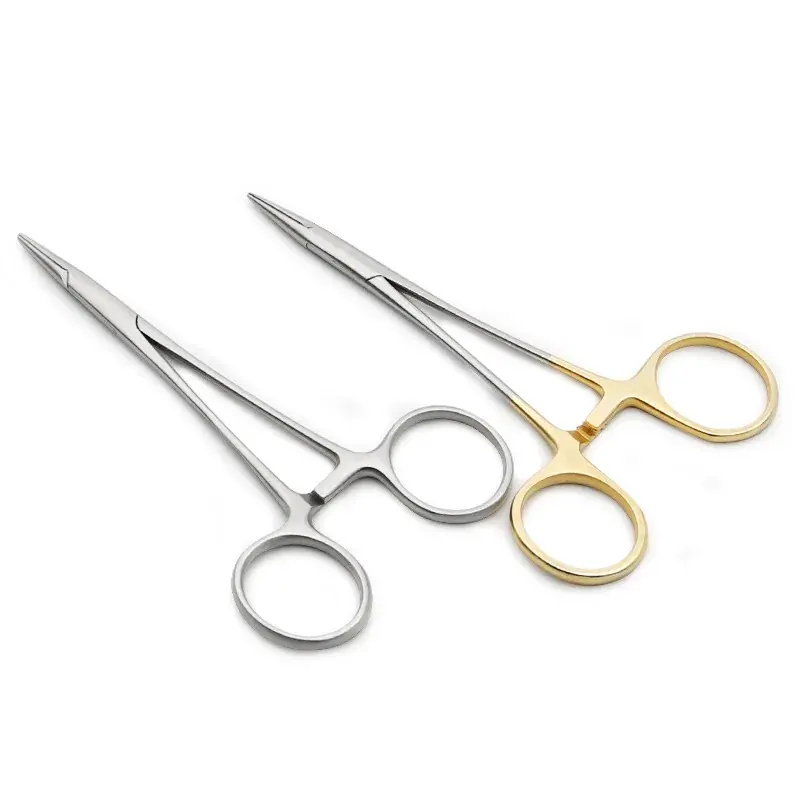
Short answer: medical device stamped components should be quoted with drawings, material grade, thickness, surface finish, burr limits, cleanliness needs, passivation or plating, inspection records, traceability, packaging, validation samples, and annual volume. The RFQ should separate normal dimensional requirements from features that affect patient whakapā, instrument function, assembly, or sterilization.
This checklist is for buyers sourcing stamped stainless steel, titanium, spring steel, and small precision components used in medical devices, surgical instruments, diagnostic equipment, wearable devices, and controlled assemblies. It complements the broader Medical Device tā konganuku page by focusing on what to send before a kaiwhakarato quotes.
If you need a quote, send drawings, material specifications, surface condition, burr limits, cleaning requirements, inspection records, and packaging expectations through the RFQ form. For a broader quote package, also use the tā konganuku RFQ checklist.
Why medical wāhanga kua tāngia need a detailed RFQ
A medical stamped part may look simple, but the risk is often hidden in edge condition, material history, surface finish, cleanliness, and documentation. A clip, spring, blade guard, shield, bracket, whakapā, or instrument component can be rejected because a burr is in the wrong direction, passivation is not specified, or packaging scratches a finished surface.
The kaiwhakarato should understand whether the part is a prototype, validation sample, pilot lot, or repeat production component. The quote should also state whether the buyer needs material certificates, first article reports, dimensional data, passivation records, cleaning confirmation, or lot traceability.
RFQ information medical buyers should prepare
| RFQ item | Why it matters | What to send |
|---|---|---|
| Rawa | Medical parts may need corrosion resistance, strength, spring behavior, or biocompatibility review. | Grade, standard, temper, thickness, certificate needs, and approved alternatives. |
| Edges and burrs | Sharp edges can affect handling, assembly, cleaning, or patient-facing components. | Burr side, maximum burr, deburring method, critical edges, and cosmetic limits. |
| Surface finish | Passivation, polishing, plating, and cleaning can affect function and records. | Finish standard, appearance area, cleaning method, and report requirements. |
| Inspection records | Controlled programs often need repeatable launch and production evidence. | FAI, sampling plan, CMM checks, material certs, and traceability needs. |
Rawa and finish decisions
Tikanga medical stamped materials include stainless steel, titanium, spring stainless, and specialty alloys depending on part function. Rawa selection should be based on corrosion resistance, formability, strength, spring behavior, finish, and cleaning requirements. If titanium and stainless are being compared, review the titanium vs stainless steel medical tā guide.
Finish should be defined early. Stainless parts may need passivation. Some components need tumbling, electropolishing, cleaning, or protective packaging. If the finish affects fit, corrosion, cosmetic appearance, or cleanliness, include it in the RFQ instead of quoting raw wāhanga kua tāngia only. For finish planning, use the plating and passivation RFQ guide.
Burrs, edges, and cleanliness
Burr control is especially important on small or handled components. Burr direction can affect assembly, touch surfaces, cleaning, and inspection. A generic “no burr” note is difficult to quote because every tā process creates an edge condition. The drawing should state the critical edge, burr side, maximum burr height where required, and whether deburring is cosmetic or functional.
Use the burr control guide when the part has patient-facing edges, instrument surfaces, sealing areas, whakapā points, or small features. Cleanliness should also be defined: ordinary oil removal, ultrasonic cleaning, bagging, protective film, or buyer-specified cleaning validation are different cost and process scopes.
Inspection, validation, and documentation
Medical projects often need controlled sample approval before production. This may include first article inspection, dimensional report, CMM data, material certificate, finish record, cleaning confirmation, and sample identification. For some programs, a PPAP-like or APQP-style package may be requested even outside waka work.
Start with the first article inspection checklist. If validation samples are needed, define the sample quantity, inspection report format, acceptance criteria, and whether samples are used for assembly, sterilization, packaging, or functional tests. Avoid approving only the loose stamped part if the final device assembly is what matters.
Packaging and traceability
Medical stamped components may need packaging that protects surfaces and separates lots. Trays, dividers, bags, labels, and part orientation can matter when parts are thin, polished, sharp, small, or easy to mix. Labels should identify part number, revision, quantity, lot, material batch, inspection status, and finish status where required.
For export or controlled delivery, review the packaging and shipping guide. A low unit price is not useful if parts arrive scratched, mixed, oily, or hard to trace.
Medical stamped component RFQ checklist
- 2D drawing, 3D model, current revision, and target application.
- Koeke rauemi, thickness, temper, certificate requirements, and approved alternates.
- Critical dimensions, datums, bend angles, flatness, spring features, and functional edges.
- Burr direction, burr limit, deburring, polishing, passivation, plating, or cleaning needs.
- Inspection records: FAI, CMM, dimensional report, material certs, finish reports, sampling plan.
- Validation samples, pilot quantity, annual volume, release schedule, and change control needs.
- Packaging, labels, lot traceability, contamination control, and shipping destination.
To reduce back-and-forth, send the checklist items through the whakapā page with any existing samples or rejection history. If a dimension or edge condition is critical, mark it clearly on the drawing before quote review.
FAQ: medical stamped components
What materials are used for medical stamped components?
Stainless steel, spring stainless, titanium, and selected specialty alloys are common. The best choice depends on strength, corrosion, formability, finish, and function.
Do medical wāhanga kua tāngia need passivation?
Some stainless parts do, depending on corrosion requirement, cleaning process, and application. Passivation should be included in the RFQ when required.
Why is burr direction important?
Burrs can affect handling, cleaning, assembly, functional edges, and inspection. Critical edges should be marked on the drawing.
What inspection records should I request?
Tikanga records include material certificates, first article inspection, dimensional reports, CMM data, finish records, and lot traceability.
Can prototype samples use the same process as production?
Sometimes. The RFQ should state whether samples are for concept review, validation, or production-intent approval.
What should be included in a medical tā RFQ?
Tukuna drawings, material, thickness, finish, burr requirements, cleanliness needs, inspection records, packaging, volume, and validation expectations.