
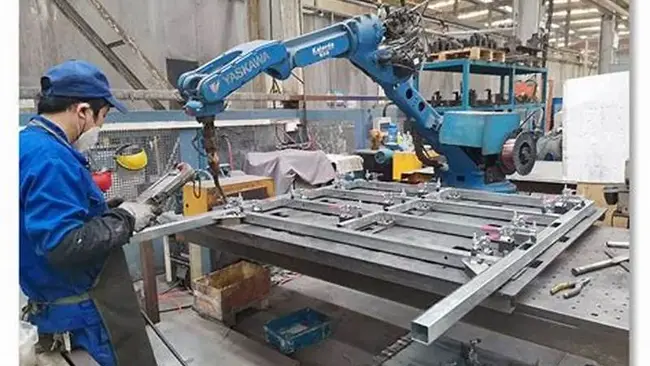
Short answer: Dual sourcing قطعات مهرزنیشده works only when the backup تأمینکننده is qualified before a crisis. Buyers should control drawings, tooling ownership, sample approval, inspection method, material source, run-at-rate evidence, packaging, and change rules. A backup source is useful only if it can make the same functional part with documented approval.
Backup sourcing is often started after a late delivery, quality spill, or price increase. At that point the buyer wants speed, but قطعات مهرزنیشده usually need tooling, samples, inspection correlation, and material confirmation before they are safe to release.
Use this guide with the تأمینکننده risk matrix, تأمینکننده onboarding checklist, تأمینکننده quality audit checklist, and run-at-rate validation guide.
Backup تأمینکننده qualification evidence
| Item | Why it matters | RFQ detail to confirm |
|---|---|---|
| Controlled drawing package | Both sources need the same revision baseline. | 2D drawing, 3D model, critical features, finish, material, and open deviations. |
| Tooling route | A second tool, transferred tool, or temporary tool has different risk. | Define ownership, maintenance, tryout, spare parts, and tool change approval. |
| Inspection correlation | Two suppliers may measure the same feature differently. | Compare datum setup, gage method, CMM program, functional gage, and sample report. |
| Capacity proof | A backup source must support real demand when called. | Review press tonnage, shift plan, material access, tooling uptime, and shipment cadence. |
Do not duplicate a bad baseline
Before qualifying a second source, review whether the original drawing, tolerance, material, and inspection plan are complete. If the primary تأمینکننده has been working from informal notes, the backup source may quote the wrong requirement.
Use the drawing package completeness checklist and critical dimensions inspection plan before releasing the RFQ.
Choose the correct backup route
Some programs need a full duplicate production die. Others can use a single-stage bridge tool, a transferred buyer-owned tool, or a qualified pilot process. The correct route depends on annual volume, risk, approval level, and how quickly the backup تأمینکننده must ship.
If the existing tool may move, compare the plan with the tool ownership transfer guide and تأمینکننده transfer checklist.
Make approval evidence comparable
A backup تأمینکننده should not be accepted only because samples look good. Ask for dimensional results, material certificate, finish evidence, burr direction confirmation, packaging plan, and any PPAP or FAI package required by the customer.
Gage correlation matters. If the buyer, primary تأمینکننده, and backup تأمینکننده measure with different datums or fixtures, the program can create false rejects or missed defects.
Set a readiness date before splitting orders
A second source should have a clear readiness target: quote approved, tool route approved, samples accepted, inspection method aligned, first production lot released, and capacity confirmed. Without those gates, split sourcing can create more shortage risk rather than less.
For customer-facing programs, define whether the backup تأمینکننده needs customer approval before production shipments. Some buyers can approve internally; others need a formal PPAP, FAI, or customer deviation before any shipped parts are usable.
Also decide how the first split order will be compared with the primary source. A controlled comparison can include dimensional results, packaging condition, receiving feedback, on-time delivery, and any assembly-line comments.
RFQ details to include
Send current drawing revision, approved sample photos, annual volume, demand spikes, existing تأمینکننده issue, tooling ownership status, required approval documents, packaging needs, and target backup readiness date.
Also state whether the backup source is for emergency supply only, split production, regional freight support, cost reduction, or customer-mandated risk reduction.
How to compare backup تأمینکننده offers
A strong backup تأمینکننده names the tooling route, sample evidence, measurement method, capacity limit, and approval assumptions. A weak offer only copies the target price and ignores release risk.
Send backup sourcing drawings and risk goals through the contact page. Use the RFQ form to request a backup qualification plan, not only a unit price.
Buyer file to keep with the quote
Keep the final answer for this مهرزنی فلز dual sourcing and backup تأمینکننده qualification guide with the drawing revision, quote number, تأمینکننده assumptions, approval owner, and open actions. That record helps future reorders, audits, and تأمینکننده changes stay consistent.
FAQ
When should a stamped part have a backup تأمینکننده?
Consider a backup source when the part is high volume, customer critical, tooling dependent, single source, freight sensitive, or has caused repeated quality or delivery risk.
Can a backup تأمینکننده use the same tool?
Sometimes, if the buyer owns the tool and the tool can be transferred safely. The move still needs inspection, tryout, maintenance, and approval planning.
What evidence should a backup source provide?
Ask for sample reports, material certificates, tooling plan, measurement method, packaging plan, run-at-rate data, and change control agreement.
Is dual sourcing always cheaper?
No. Duplicate tooling and approval work can cost more at first. The value is reduced supply risk, faster recovery, and better commercial control.
{"@context":"https://schema.org","@type":"FAQPage","mainEntity":[{"@type":"Question","name":"When should a stamped part have a backup تأمینکننده?","acceptedAnswer":{"@type":"Answer","text":"Consider a backup source when the part is high volume, customer critical, tooling dependent, single source, freight sensitive, or has caused repeated quality or delivery risk."}},{"@type":"Question","name":"Can a backup تأمینکننده use the same tool?","acceptedAnswer":{"@type":"Answer","text":"Sometimes, if the buyer owns the tool and the tool can be transferred safely. The move still needs inspection, tryout, maintenance, and approval planning."}},{"@type":"Question","name":"What evidence should a backup source provide?","acceptedAnswer":{"@type":"Answer","text":"Ask for sample reports, material certificates, tooling plan, measurement method, packaging plan, run-at-rate data, and change control agreement."}},{"@type":"Question","name":"Is dual sourcing always cheaper?","acceptedAnswer":{"@type":"Answer","text":"No. Duplicate tooling and approval work can cost more at first. The value is reduced supply risk, faster recovery, and better commercial control."}}]}