
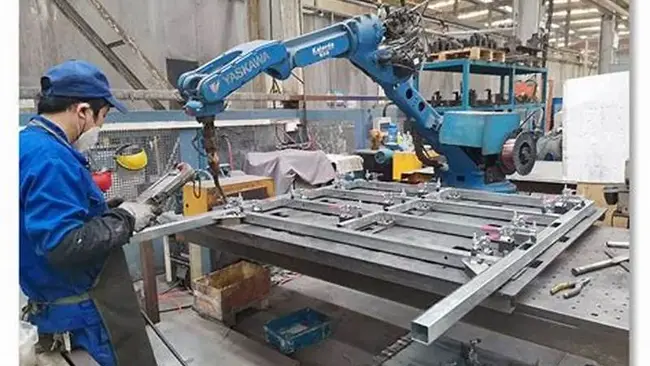
Short answer: Inspection fixture ownership for giporma nga mga piyesa should define who pays for the fixture, who stores it, how it is calibrated, when gage R&R is needed, how revisions are handled, and what happens during tagasuplay transfer. A fixture is part of the production control plan, not just a shop tool.
Many giporma nga mga piyesa disputes start with measurement method. The tagasuplay uses one fixture, receiving uses another setup, and both teams believe they are measuring the drawing correctly. Fixture ownership and calibration rules reduce that risk before production begins.
Use this guide with the gage correlation guide, critical dimensions inspection plan, PPAP and FAI evidence guide, and tool ownership transfer guide.
Fixture and gage control items
| Item | Why it matters | RFQ detail to confirm |
|---|---|---|
| Ownership and access | A buyer-owned fixture may need transfer rights. | Owner, asset ID, storage location, access rule, and return condition. |
| Calibration and maintenance | Uncontrolled gages can create false rejects or false accepts. | Calibration interval, standard, wear check, repair rule, and record owner. |
| Measurement correlation | tagasuplay and buyer results must be comparable. | Datum setup, clamp force, burr side, coating condition, and gage R&R when needed. |
| Revision control | A drawing change may make the fixture obsolete. | Revision label, affected features, modification approval, and old fixture quarantine. |
Decide whether the fixture is buyer-owned or tagasuplay-owned
If the fixture is charged to the buyer, the quote should state whether the buyer owns it, whether it can be moved, and whether the tagasuplay may use it for other programs. Ownership should not be inferred from an invoice line.
If the tagasuplay owns the fixture, clarify what measurement evidence the buyer can request and what happens if the part is transferred to another tagasuplay later.
Define the actual measurement condition
A stamped part can measure differently depending on fixture restraint, datum selection, burr side, coating thickness, spring force, and whether the part is checked before or after forming recovery.
For flexible or thin parts, ask whether the fixture represents free-state condition or assembly condition. The wrong choice can approve parts that fail in use or reject parts that would assemble correctly.
Record that decision in the inspection plan, not only in email. The same fixture can produce different decisions if operators do not know the intended condition.
Keep calibration records tied to release evidence
Calibration records should be available for critical fixtures before first article approval and during production audits. The record should identify the fixture, date, standard used, result, Sunod due date, and any repair or adjustment.
When special gages are used for PPAP or FAI, include their status in the approval file. A passing report from an overdue or modified fixture is weak evidence.
Plan for tagasuplay transfer before transfer happens
When a program changes suppliers, fixtures can become a bottleneck. Ask whether fixtures are physically transferable, whether digital files exist, whether calibration history follows the asset, and whether the new tagasuplay needs correlation runs.
Use the tagasuplay transfer checklist and tagasuplay exit transition checklist when fixture movement affects production continuity.
Control revision updates and obsolete fixtures
A drawing revision may change datum, tolerance, coating, bend condition, or inspection frequency. The fixture should be reviewed whenever the controlled drawing changes, not only when a dimension looks different.
Old fixtures should be labeled, quarantined, modified, or retired. Leaving two similar fixtures in use is a common way to create mixed inspection evidence.
RFQ details to include
Ipadala critical feature list, datum scheme, expected fixture type, buyer ownership requirement, calibration standard, gage R&R need, sample approval level, and tagasuplay transfer rights if relevant.
Ipadala fixture requirements through the kontak page. Use the RFQ form to request fixture cost, ownership, calibration, and correlation assumptions with the quote.
Buyer file to keep with the quote
Keep this giporma nga mga piyesa inspection fixture ownership and calibration guide with the drawing revision, quote number, tagasuplay assumptions, owner of each open action, and the latest approval record. That file helps future tagasuplay reviews, audits, reorders, and transition decisions stay consistent.
FAQ
Who should own an inspection fixture?
Ownership depends on program risk, cost, transfer needs, and customer rules. If the buyer pays for it, ownership and transfer rights should be written clearly.
When is gage R&R needed?
Gage R&R is useful when a fixture controls critical dimensions, tagasuplay-buyer correlation risk is high, or customer approval requires measurement system evidence.
Can a fixture be transferred to a new tagasuplay?
Sometimes. Transfer depends on ownership, physical condition, calibration status, fixture files, and whether the new tagasuplay can correlate results.
What should be in the RFQ?
Include critical features, datum setup, fixture ownership, calibration interval, approval evidence, transfer rights, and any customer measurement standard.
{"@context":"https://schema.org","@type":"FAQPage","mainEntity":[{"@type":"Question","name":"Who should own an inspection fixture?","acceptedAnswer":{"@type":"Answer","text":"Ownership depends on program risk, cost, transfer needs, and customer rules. If the buyer pays for it, ownership and transfer rights should be written clearly."}},{"@type":"Question","name":"When is gage R&R needed?","acceptedAnswer":{"@type":"Answer","text":"Gage R&R is useful when a fixture controls critical dimensions, tagasuplay-buyer correlation risk is high, or customer approval requires measurement system evidence."}},{"@type":"Question","name":"Can a fixture be transferred to a new tagasuplay?","acceptedAnswer":{"@type":"Answer","text":"Sometimes. Transfer depends on ownership, physical condition, calibration status, fixture files, and whether the new tagasuplay can correlate results."}},{"@type":"Question","name":"What should be in the RFQ?","acceptedAnswer":{"@type":"Answer","text":"Include critical features, datum setup, fixture ownership, calibration interval, approval evidence, transfer rights, and any customer measurement standard."}}]}